

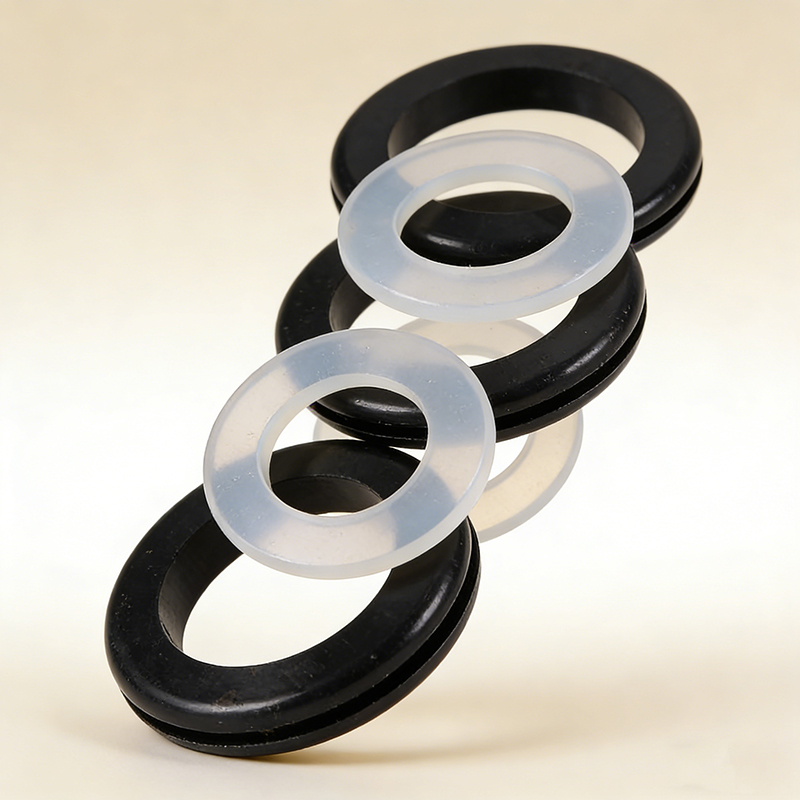
Choosing the wrong flange gasket can lead to system failures and costly downtime. Many engineers struggle with material selection1 for their specific applications.
Flange gaskets are sealing components placed between pipe flanges to prevent leaks in piping systems. The key to success lies in matching the gasket material to your operating conditions including temperature, pressure, and chemical compatibility2.
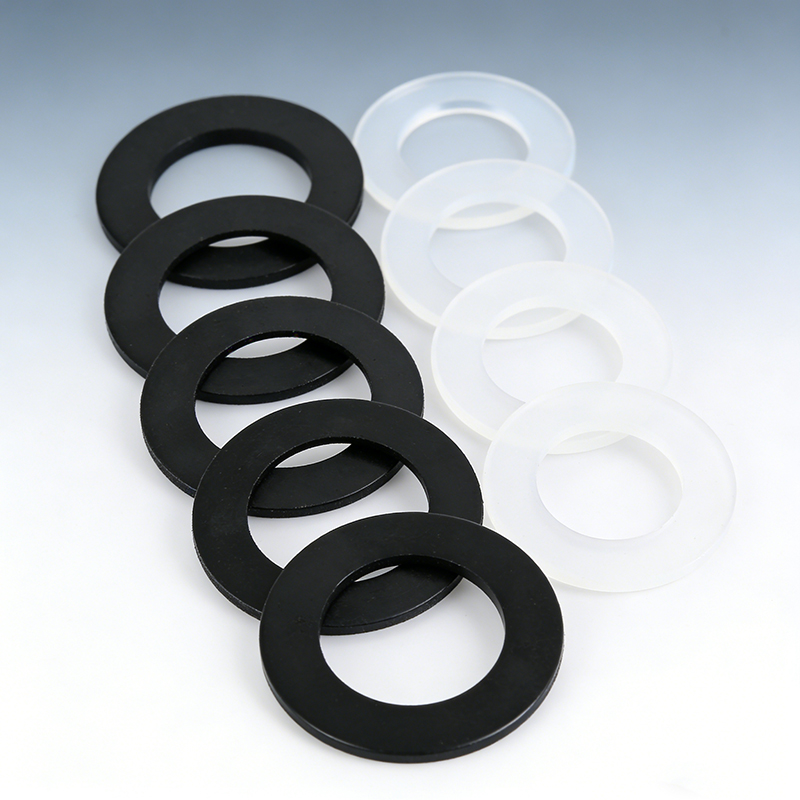
Let me share something that happened in one of our projects. A client chose standard paper gaskets for their high-temperature steam pipeline. Everything seemed fine at first, but leaks started appearing within weeks. The paper material couldn't handle the heat and pressure, causing the gaskets to soften and lose their sealing ability.
What Materials Work Best for Different Applications?
Wrong material choice is the biggest mistake I see in flange gasket selection. You need to understand your operating environment before making any decisions.
Different applications require specific gasket materials. High-temperature systems need metal or graphite gaskets, chemical applications require PTFE or specialized rubber compounds, and standard water systems can use basic rubber materials.
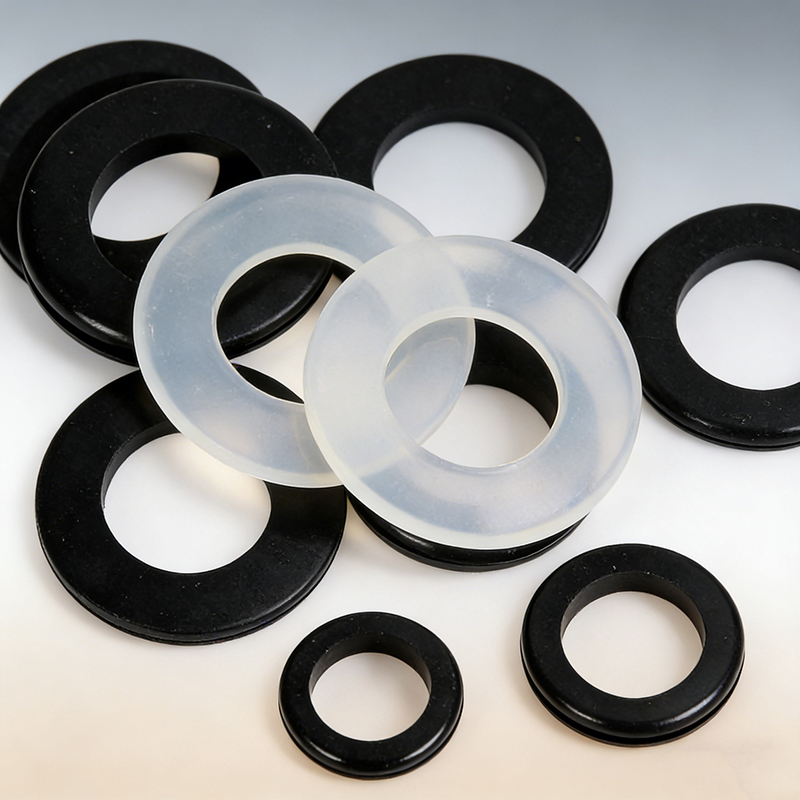
The material selection1 process starts with three key factors. First, you need to know your operating temperature range. Standard rubber gaskets work well up to 200°F, but beyond that, you need specialized materials. EPDM rubber handles temperatures up to 300°F, while metal gaskets can withstand over 1000°F.
Second, consider the pressure requirements. Low-pressure applications under 150 PSI can use soft materials like rubber or fiber. Medium pressure systems from 150-600 PSI often need firmer materials like compressed fiber or spiral wound gaskets. High-pressure applications over 600 PSI typically require metal gaskets or specialized designs.
Third, chemical compatibility2 matters enormously. Oil-based fluids attack natural rubber, so you need NBR or Viton materials. Acids require PTFE or specialized chemical-resistant compounds. Steam applications need materials that won't break down from moisture and heat cycles.
| Application Type | Temperature Range | Pressure Range | Recommended Materials |
|---|---|---|---|
| Water Systems | 32-180°F | 0-150 PSI | EPDM, Natural Rubber |
| Steam Lines | 200-400°F | 50-300 PSI | Graphite, Metal |
| Chemical Processing | Varies | 100-800 PSI | PTFE, Viton, Metal |
| Oil & Gas | -40-300°F | 150-2000 PSI | NBR, Metal, Spiral Wound |
How Do You Determine the Correct Size and Thickness?
Size mistakes cause just as many problems as material errors. Getting the dimensions wrong leads to incomplete sealing or uneven compression.
Flange gasket size3 must match your flange dimensions exactly. Measure the inner diameter, outer diameter, and bolt hole pattern. Thickness depends on flange surface finish and the amount of compression needed for proper sealing.
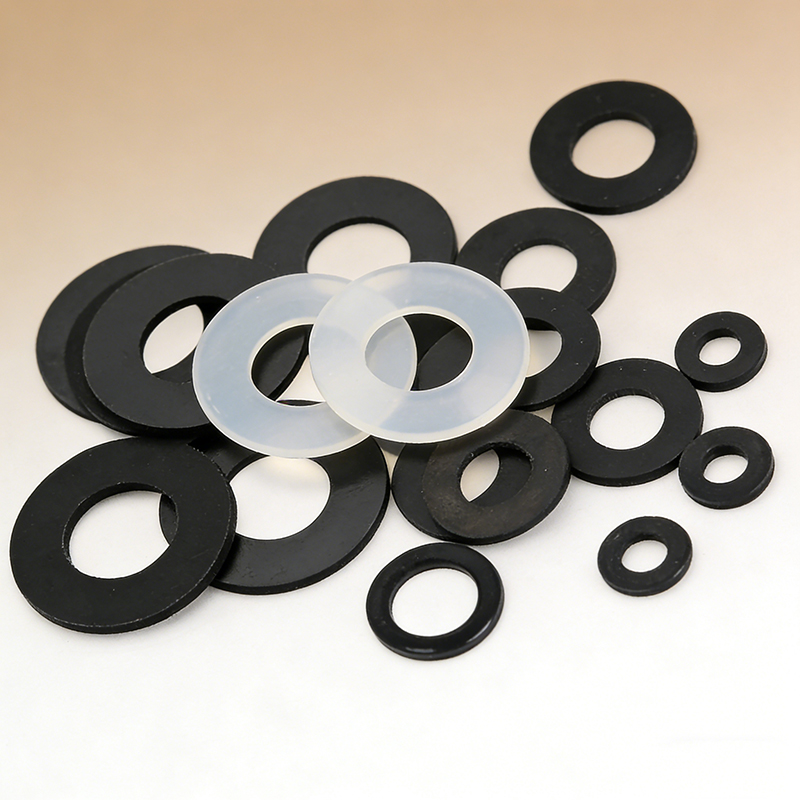
Start by identifying your flange standard. ANSI, DIN, and JIS flanges all have different dimensions even for the same nominal pipe size. A 4-inch ANSI flange has different bolt patterns than a 4-inch DIN flange. Using the wrong standard wastes time and money.
Measure three critical dimensions. The inside diameter should clear your pipe bore with minimal gap. Too large creates turbulence, too small restricts flow. The outside diameter must fit within the bolt circle without interfering with bolt installation. The bolt holes need proper clearance for your fasteners.
Thickness selection depends on your flange surface condition. Smooth, machined flanges can use thinner gaskets because they need less material to fill surface irregularities. Rough or damaged flange faces need thicker gaskets to compensate for the uneven surface. Most applications work well with 1/16-inch to 1/8-inch thickness.
Consider the compression characteristics4 of your chosen material. Soft materials like rubber compress significantly and may need thicker initial dimensions. Hard materials like metal compress very little and require precise thickness control. The goal is achieving proper sealing stress without over-compressing the gasket.
What Are the Most Common Installation Mistakes?
Poor installation ruins even the best gasket selection. I've seen perfect gaskets fail because of simple installation errors that could have been avoided.
Common installation mistakes5 include uneven bolt tightening6, over-compression, contaminated sealing surfaces, and incorrect gasket positioning7. Following proper torque sequences and surface preparation8 prevents most gasket failures.
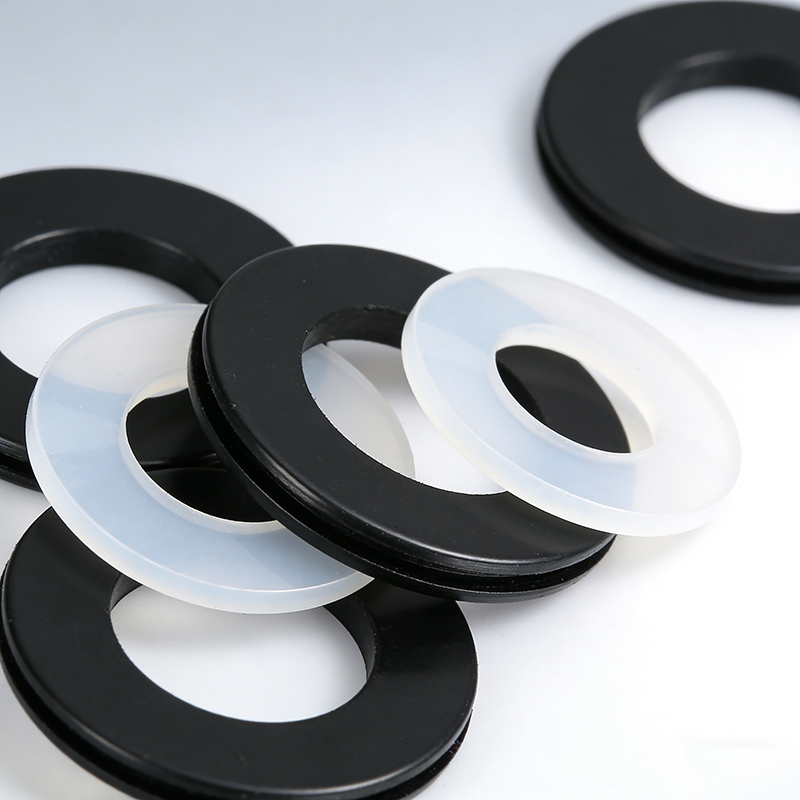
Surface preparation makes or breaks your installation. Clean both flange faces completely before installing the new gasket. Old gasket material, rust, or dirt creates leak paths that no amount of bolt torque can seal. Use appropriate cleaning methods for your flange material without damaging the sealing surface.
Gasket positioning requires careful attention. Center the gasket evenly between the flanges with equal material extending around the entire circumference. Offset positioning creates uneven stress distribution and potential leak points. Some gaskets have alignment features or markings to help with proper positioning.
Bolt tightening follows a specific sequence to ensure even compression. Start with finger-tight bolts, then tighten in a star or cross pattern to about 30% of final torque. Make several passes, gradually increasing torque until you reach the specified value. This prevents gasket distortion and ensures uniform sealing stress.
Monitor the compression during tightening. Most gaskets need specific compression percentages to seal properly. Too little compression leaves gaps, too much compression can cause gasket extrusion9 or damage. Use torque specifications10 appropriate for your bolt size, flange material, and gasket type.
Conclusion
Choosing the right flange gasket requires matching material properties to your operating conditions, selecting correct dimensions, and following proper installation procedures for reliable sealing performance.
Learn about the critical factors in material selection for flange gaskets to avoid costly mistakes. ↩
Understand the significance of chemical compatibility in gasket selection to prevent failures. ↩
Find out how to accurately measure and select the right size for flange gaskets to ensure proper sealing. ↩
Learn how the compression characteristics of gasket materials impact their sealing effectiveness. ↩
Avoid common installation pitfalls by learning about frequent mistakes and how to prevent them. ↩
Explore the correct bolt tightening sequence to ensure even compression and prevent gasket failure. ↩
Understand the importance of correct gasket positioning to avoid leaks and ensure a reliable seal. ↩
Discover effective surface preparation techniques to enhance gasket performance and longevity. ↩
Learn about gasket extrusion, its causes, and prevention methods to maintain sealing integrity. ↩
Find out the appropriate torque specifications for various gasket types to ensure optimal sealing. ↩