

Equipment vibration causes noise problems and costly wear. You need effective isolation mounts to protect your investment and maintain smooth operations.
Vibration isolation mounts1 absorb machine vibrations to reduce noise transmission2 and equipment wear3. Proper mounts extend equipment life by up to 50% while significantly lowering operational noise levels in industrial environments.
I have seen countless projects suffer from poor vibration control4. The right isolation mounts make the difference between smooth operation and constant maintenance headaches.
What Are Vibration Isolation Mounts and How Do They Work?
Vibration isolation mounts1 seem simple but their engineering principles determine your equipment's fate. Many people underestimate their importance until problems arise.
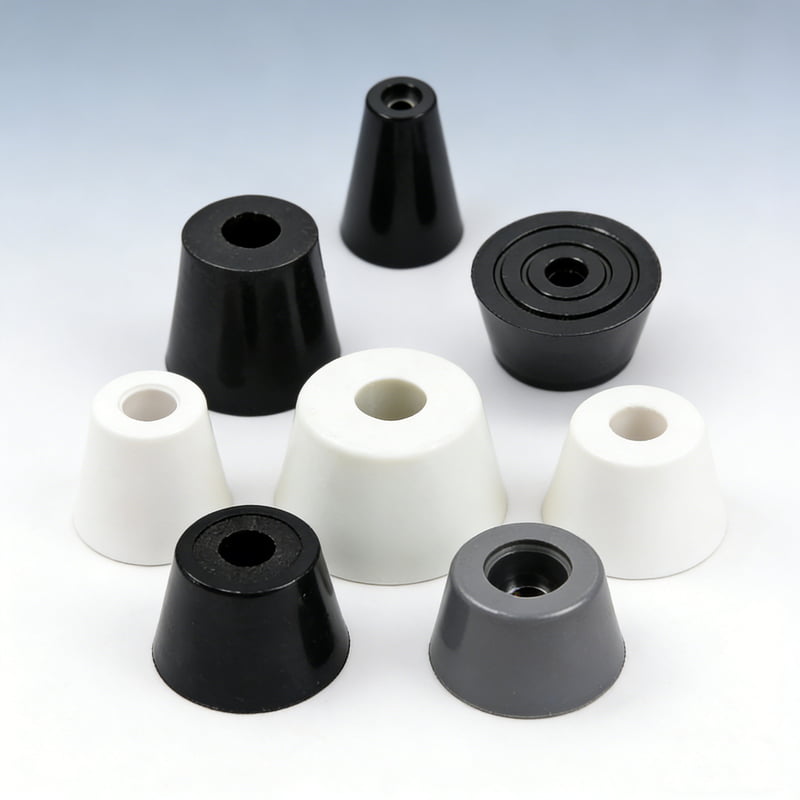
Vibration isolation mounts1 are rubber or elastomeric components5 that absorb and dampen mechanical vibrations between equipment and mounting surfaces. They prevent vibration transmission through structural connections.
Vibration isolation mounts1 work through several key mechanisms. The elastomeric material absorbs kinetic energy from vibrating equipment. This energy converts to heat within the mount material instead of transmitting through the structure.
The mount's stiffness determines its natural frequency6. Proper design ensures the mount's natural frequency6 stays well below the equipment's operating frequency. This creates an isolation zone where vibration transmission drops dramatically.
| Mount Type | Frequency Range | Load Capacity | Typical Applications |
|---|---|---|---|
| Soft Rubber | 5-50 Hz | Low-Medium | HVAC units, small motors |
| Medium Durometer | 20-200 Hz | Medium-High | Industrial machinery, pumps |
| Hard Rubber | 100-1000 Hz | High | Heavy equipment, presses |
Different materials provide different isolation characteristics. Natural rubber offers excellent low-frequency isolation. Silicone performs well across wider temperature ranges. EPDM resists weathering for outdoor applications.
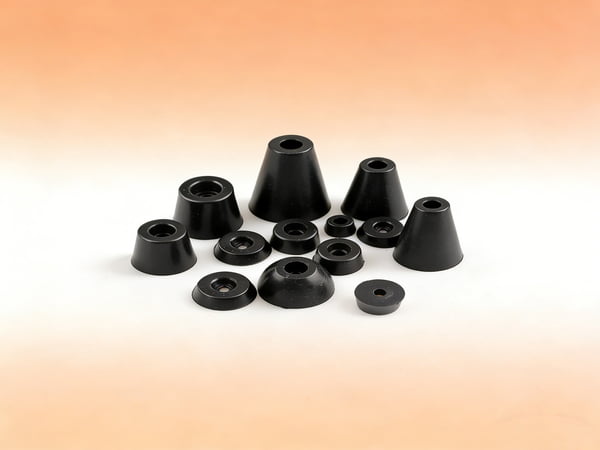
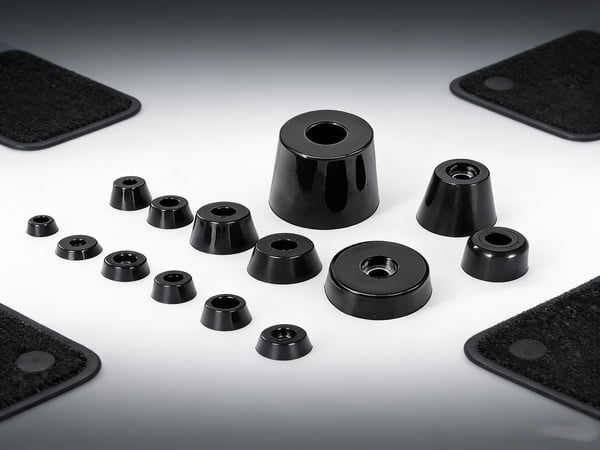
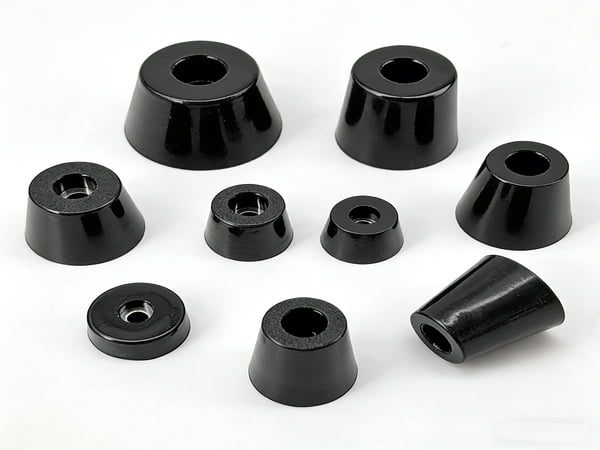
The mount geometry7 affects performance too. Cylindrical mounts provide equal stiffness in all directions. Conical shapes offer progressive stiffness characteristics. Multi-layer designs combine different materials for optimized performance.
Why Do Traditional Mounting Methods Fail Equipment?
Standard rigid mounting8 creates direct vibration paths that damage equipment and disturb surroundings. I have witnessed this problem destroy expensive machinery repeatedly.
Rigid mounting transmits 100% of equipment vibrations to supporting structures, amplifying noise and accelerating wear in both the equipment and building components.
Rigid mounting fails because it creates a direct mechanical connection. Every vibration pulse travels through bolts and brackets into the building structure. The structure acts like a giant speaker, amplifying the noise throughout the facility.
Equipment suffers too when vibrations reflect back from rigid supports. These reflected vibrations create standing wave patterns9 within the machine. Standing waves concentrate stress at specific points, causing premature bearing failure and component fatigue.
I worked on a project where a manufacturing plant mounted heavy presses directly to concrete floors. The vibrations traveled through the building foundation. Workers complained about noise levels exceeding 85 decibels. The company faced potential hearing damage liability.
The presses themselves suffered accelerated wear. Bearing replacements increased from annual to quarterly schedules. Alignment problems developed as the rigid mounting8 stressed the frame. Production downtime costs mounted quickly.
Metal fatigue becomes inevitable with rigid mounting8. Constant vibration cycles create microscopic cracks that grow over time. These cracks eventually cause catastrophic failures that shut down production lines.
Building structures suffer damage too. Concrete develops cracks from repeated vibration stress. Steel beams experience fatigue that weakens structural integrity. Nearby equipment gets disturbed by transmitted vibrations.
The solution requires breaking the vibration transmission path. Isolation mounts create a flexible barrier that absorbs energy instead of transmitting it. This protects both the equipment and the building structure.
How Do You Choose the Right Mount for Your Application?
Selecting proper vibration isolation mounts requires understanding your specific operating conditions. Wrong choices lead to poor performance and potential equipment damage.
Choose isolation mounts based on equipment weight, vibration frequency, environmental conditions10, and required isolation efficiency. Match the mount's natural frequency6 to stay below 30% of the equipment's operating frequency.
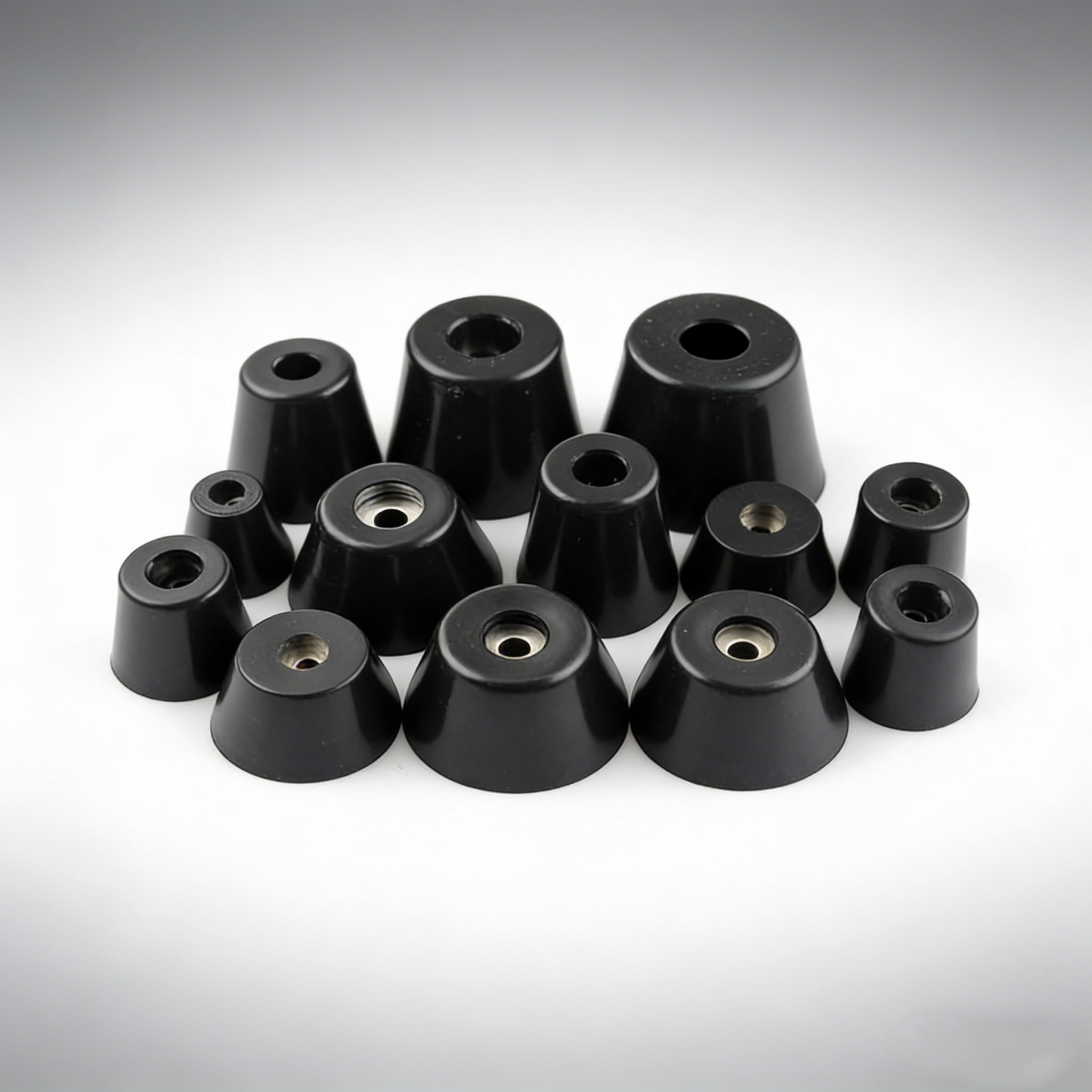
Load calculation comes first in mount selection. Determine the total static weight including equipment and any attached components. Add dynamic loads11 from operational forces. Divide the total load by the number of mounting points to find individual mount requirements.
Frequency analysis determines isolation effectiveness. Measure or estimate your equipment's dominant vibration frequencies. Select mounts with natural frequencies at least 3 times lower than the equipment frequency. This ensures you operate in the isolation region where transmission decreases.
Environmental factors affect mount material selection. Temperature extremes require specialized compounds. Outdoor applications need UV and ozone resistance. Chemical exposure demands compatible elastomers. Oil resistance becomes critical near hydraulic equipment.
| Environmental Factor | Recommended Material | Temperature Range | Special Properties |
|---|---|---|---|
| General Indoor | Natural Rubber | -40°F to 180°F | Excellent isolation |
| High Temperature | Silicone | -65°F to 400°F | Heat resistance |
| Outdoor Weather | EPDM | -65°F to 300°F | UV/ozone resistance |
| Oil/Chemical | NBR/Viton | -20°F to 250°F | Chemical resistance |
Installation constraints influence mount design. Space limitations may require low-profile designs. Adjustment needs call for threaded mounts. Lateral stability might demand flanged designs. Consider access requirements for future maintenance.
Dynamic characteristics matter for performance. Damping ratio affects resonance control. Higher damping reduces peak amplification but may increase transmission at higher frequencies. Stiffness affects both natural frequency6 and load capacity12.
I helped a client select mounts for a large air handling unit. The original specification called for standard rubber mounts. Analysis showed the fan frequency would create resonance problems. We recommended stiffer mounts with higher damping. The installation achieved 90% vibration reduction13 instead of the amplification that would have occurred.
Quality factors ensure long-term performance. Bond strength between rubber and metal prevents delamination. Compound stability resists aging and set. Manufacturing consistency ensures predictable performance across all mounts.
What Common Mistakes Destroy Vibration Isolation Effectiveness?
Installation errors and poor maintenance practices14 ruin even the best isolation mounts. I have seen expensive isolation systems fail completely due to simple oversights.
Common mistakes include improper preload, rigid short circuits, resonance frequency matching, and inadequate maintenance. These errors can eliminate isolation benefits and actually amplify vibration problems.
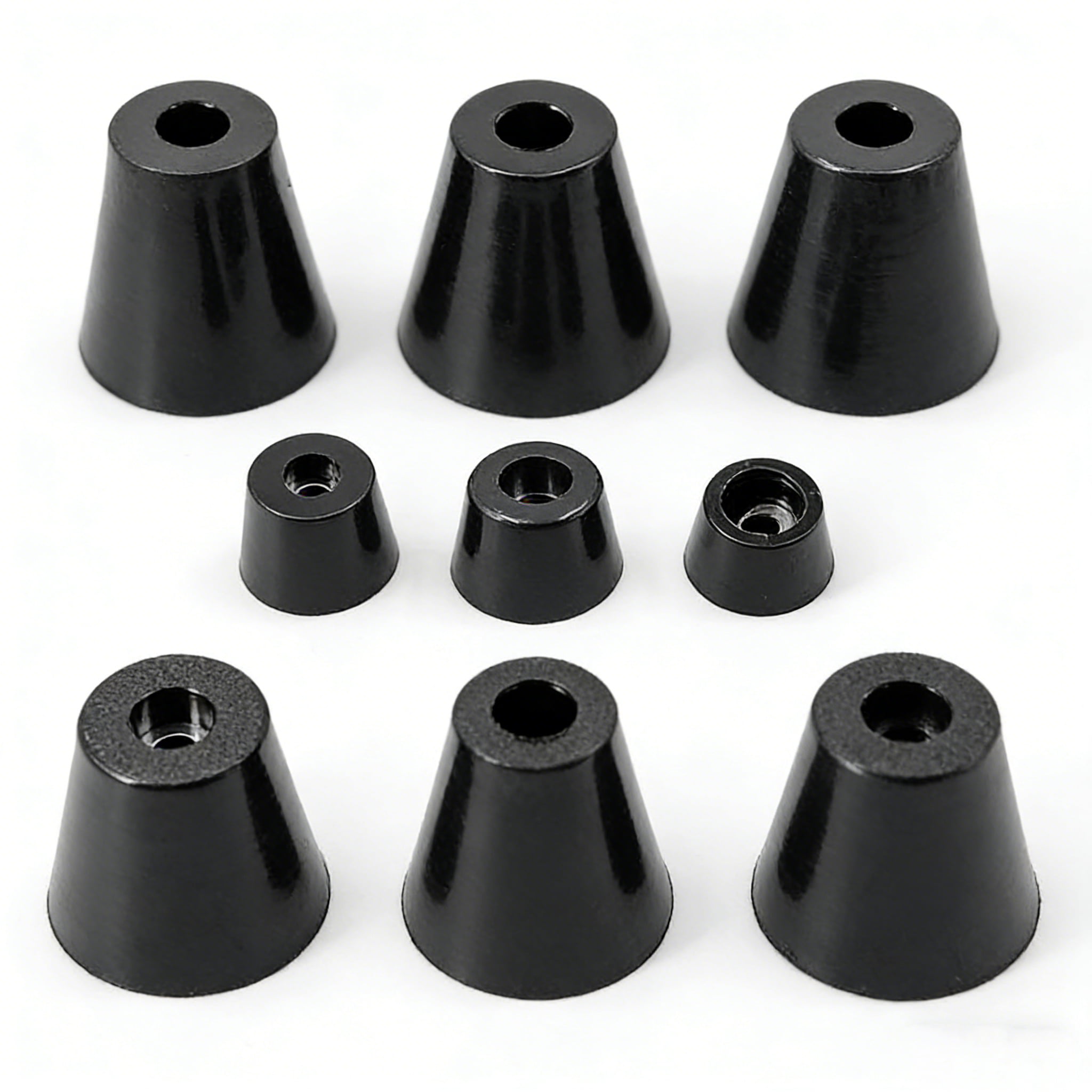
Improper preload represents the most frequent installation error. Under-loaded mounts cannot provide stable support. The equipment rocks and shifts during operation. Over-loaded mounts compress beyond their designed operating range. This changes their spring characteristics and reduces isolation effectiveness.
Rigid short circuits completely bypass isolation systems. I found conduit connections, piping attachments, and structural contacts that created direct vibration paths. Even small rigid connections can transmit significant vibration energy. These connections often develop gradually as systems settle or maintenance adds new attachments.
Resonance frequency matching creates amplification instead of isolation. This happens when mount natural frequency6 approaches equipment operating frequency. The mount system resonates and amplifies vibrations instead of reducing them. I have measured vibration increases of 300% or more from resonance conditions.
A manufacturing facility installed new compressors with isolation mounts. Vibration problems actually increased after installation. Investigation revealed the mount natural frequency6 matched the compressor's dominant frequency. We replaced the mounts with softer designs that moved the natural frequency6 away from the resonance zone.
Maintenance neglect allows isolation systems to deteriorate. Rubber compounds age and harden over time. Environmental exposure accelerates degradation. Regular inspection schedules catch problems before they cause equipment damage.
Incorrect mounting orientation affects performance significantly. Many mounts have directional properties optimized for specific load directions. Installing mounts sideways or upside down changes their characteristics. Shear loads may exceed design limits in wrong orientations.
Temperature effects get overlooked in mount selection. Rubber stiffness changes dramatically with temperature. Cold conditions make mounts harder and less effective. Hot conditions may cause excessive softening and instability.
| Temperature | Stiffness Change | Isolation Effect | Recommended Action |
|---|---|---|---|
| -40°F | +200% | Reduced | Use cold-weather compounds |
| 32°F | +50% | Slightly reduced | Monitor performance |
| 180°F | -30% | Good | Standard operation |
| 250°F | -60% | Reduced | Use high-temp materials |
Chemical compatibility problems destroy mounts quickly. Oil exposure swells some rubber compounds15. Solvents may dissolve elastomeric materials. Ozone from electrical equipment cracks natural rubber. Material selection must consider all possible exposures.
Conclusion
Proper vibration isolation mounts protect equipment and reduce noise when selected and installed correctly for specific applications.
Explore how vibration isolation mounts can significantly enhance equipment longevity and reduce noise. ↩
Learn about the impact of noise transmission on productivity and worker safety in industrial settings. ↩
Understand the factors contributing to equipment wear and how to mitigate them effectively. ↩
Explore best practices for effective vibration control to enhance machinery performance. ↩
Discover the role of elastomeric components in vibration control and their benefits. ↩
Gain insights into the importance of natural frequency in selecting vibration isolation mounts. ↩
Explore how different mount geometries can optimize vibration isolation performance. ↩
Learn why rigid mounting can lead to increased noise and equipment damage. ↩
Understand the concept of standing wave patterns and their effects on equipment. ↩
Learn about the environmental factors that impact the selection of vibration isolation mounts. ↩
Discover how dynamic loads influence the performance of vibration isolation mounts. ↩
Find out how to accurately calculate load capacity for effective vibration isolation. ↩
Explore strategies for achieving effective vibration reduction in industrial environments. ↩
Discover maintenance practices that ensure the longevity and effectiveness of isolation systems. ↩
Learn about the various rubber compounds used in vibration isolation and their properties. ↩