

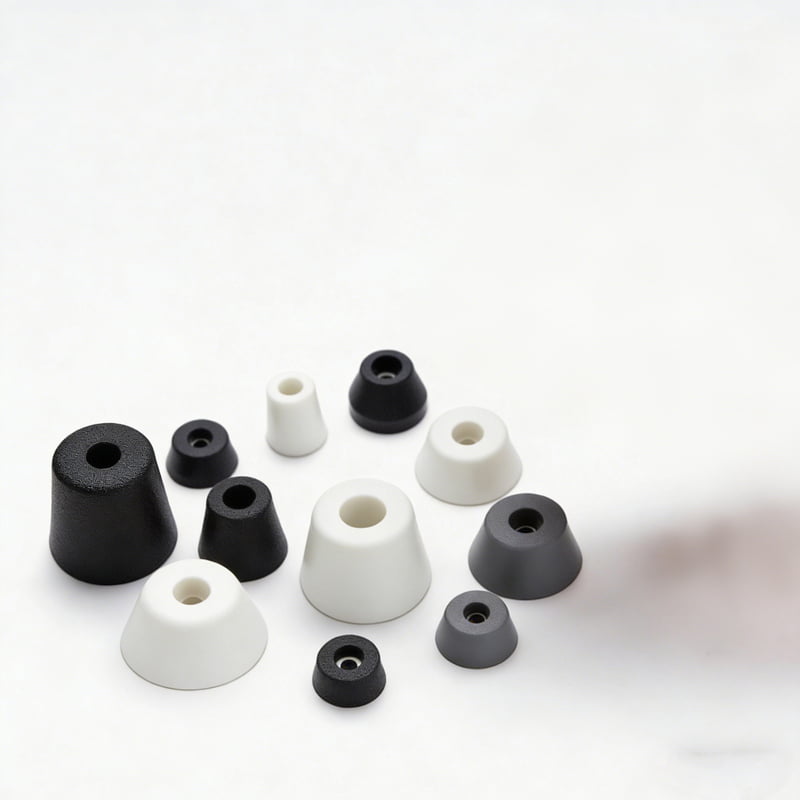
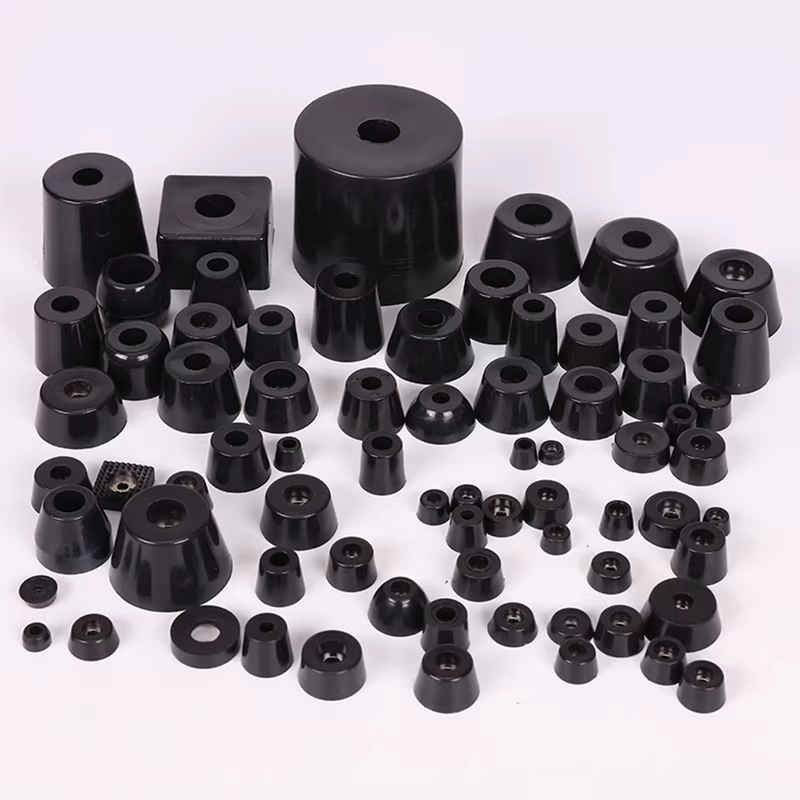
The first impression can make or break your product's success. Small Rubber Feet1 may seem insignificant, but they can impact perceived quality.
Small Rubber Feet1 are often the last pieces thought of in product design, but they can determine whether your product feels premium or cheap. This article will explore common issues and solutions related to rubber foot performance.
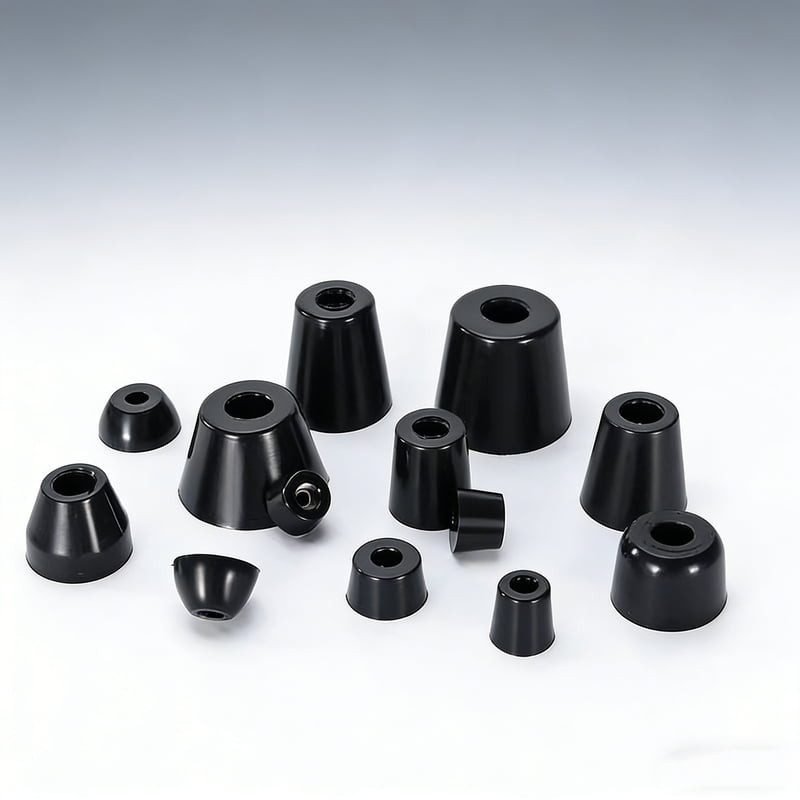
When you think of product design, you might not immediately consider the Small Rubber Feet1. However, these seemingly minor components play a crucial role in user experience. A rubber foot’s quality influences how users perceive the entire product. Poor-quality feet can detract from the overall impression and lead to negative feedback. Let’s dive deeper into this often-overlooked area.
What Are the Common Problems with Small Rubber Feet1?
Small Rubber Feet1 can face significant challenges during their lifecycle. One major issue is “blooming2,” where a white, powdery substance develops on the surface. This can occur after only a few months on the market. Another pressing concern is physical sliding3, causing discomfort and damaging surfaces during use.
These problems often arise from the use of low-cost materials4. Manufacturers may include cheap wax or aging agents in the rubber mix. These substances can migrate to the surface over time.
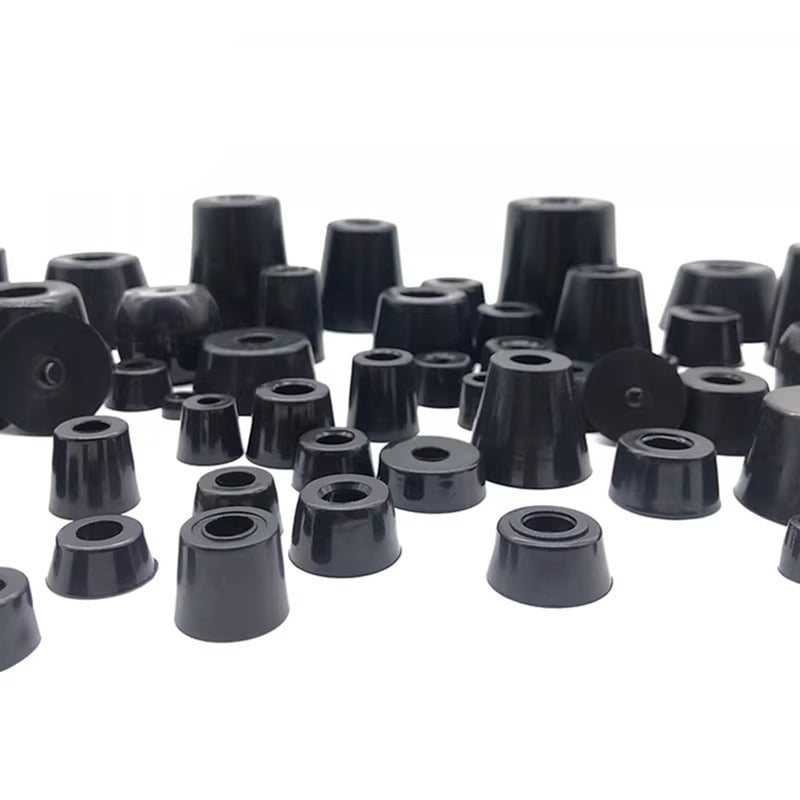
The blooming2 effect can be particularly frustrating. When rubber feet lose their grip, the whole product's stability is compromised. Users may subconsciously question the quality of the entire device. This is a serious risk for manufacturers aiming for a premium image.
How Can You Avoid These Issues?
To ensure reliable performance, focus on these key factors when selecting Small Rubber Feet1:
-
Reject Samples with Visible Waxiness: Run your fingers over the rubber foot. If it feels greasy or leaves white marks, it indicates an unstable formula.
-
Verify Low Compression Set Parameters: Ask the supplier about the foot’s performance after 24 hours of static pressure. Can it maintain the required grip?
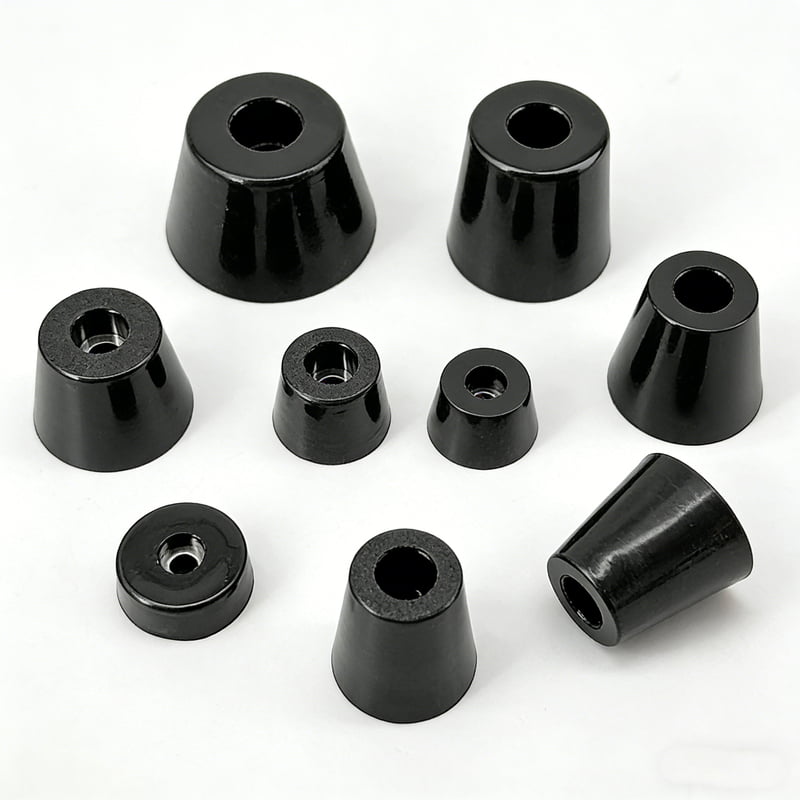
These precautions can help you avoid significant pitfalls. The right foot can enhance product stability and maintain its aesthetic appeal. Avoiding these common mistakes can set your product apart in a competitive market.
How Do We Address These Challenges?
At Shenzhen Alister Technology, we believe that even the smallest components deserve attention. Last year, a partner in the audio equipment sector came to us with a problem. Their lightweight device would slide on smooth glass surfaces due to standard rubber feet.
Our technical team worked on a solution. Instead of using off-the-shelf components, we developed a high-friction silicone5 or modified EPDM formula. By adjusting the curing temperature, we eliminated the blooming2 issue and designed micro “suction-cup” textures on the base of the feet.
The result? A small foot that looks sleek and maintains grip on surfaces, even at a 30-degree tilt. This attention to detail makes all the difference, ensuring that the product performs as intended.
Your Product Deserves Professional Support
When designing your products, every detail counts. Don’t let small components undermine your quality and aesthetic goals. If you are dealing with issues like blooming2 or slipping rubber feet, reach out to us.
Our engineering team can work directly with your designs to provide material modifications6 and optimize grip structures.
Let's collaborate to ensure your product details convey the quality they deserve. Contact us today to learn how we can help bring stability and professionalism to your designs.
Conclusion
Small Rubber Feet1 may seem trivial, but they play a vital role in product perception and performance. Don’t overlook them.
Explore how Small Rubber Feet can enhance product quality and user experience. ↩
Learn about the blooming issue and effective prevention strategies for rubber components. ↩
Discover solutions to enhance stability and prevent sliding in product design. ↩
Understand the implications of low-cost materials on product quality and performance. ↩
Find out how high-friction silicone can improve grip and stability in product design. ↩
Learn how material modifications can optimize performance and enhance product quality. ↩