

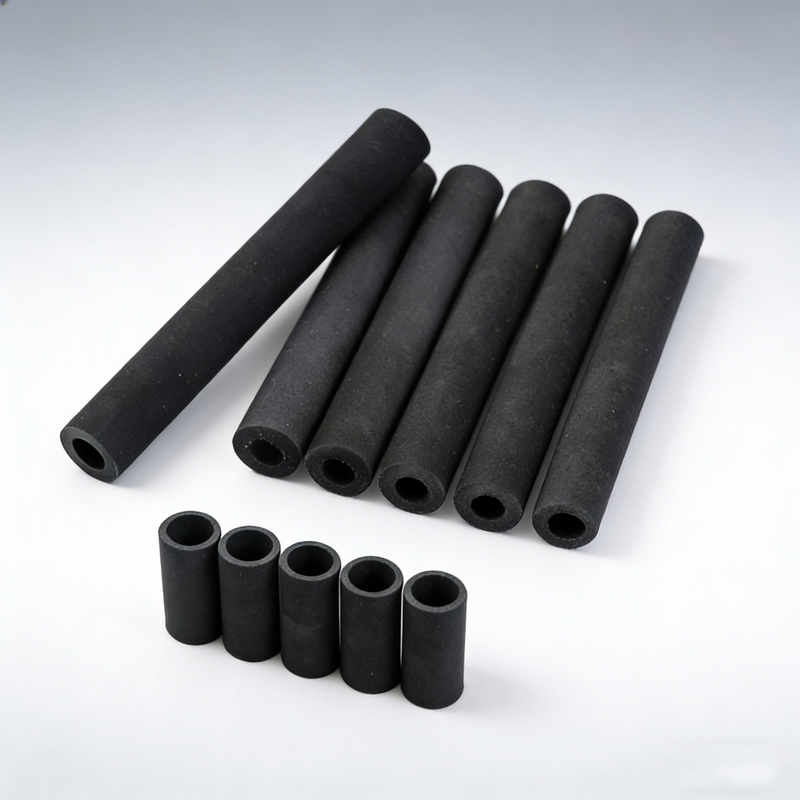
The first paragraph, which uses PAS formula to grab the reader's attention (max 30 words). I have seen many projects fail due to a common oversight in designing small rubber bellows1. This is often more critical than cost or delivery time.
second paragraph at the beginning, answering the question posed by the title, this paragraph must be HELPFUL to the reader and will be used later to compete for Google's Featured Snippets. (max 50 words) Small rubber bellows are crucial components in many applications. However, many overlook the importance of stroke length2 and compression ratio3s, leading to early failures. Understanding these parameters can ensure your projects are successful.
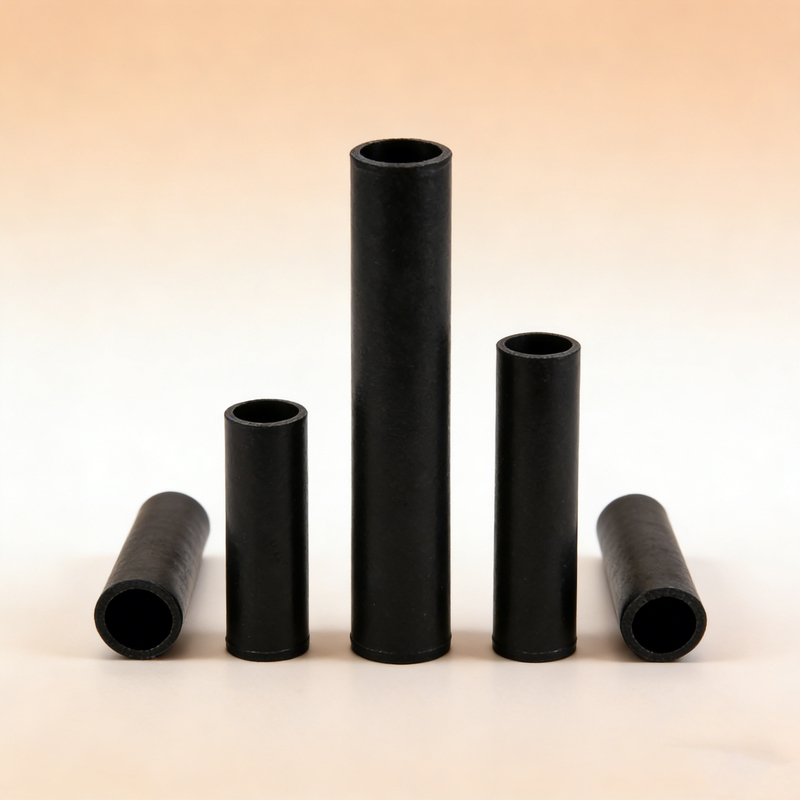
The paragraph that begins and ends with a paragraph that will keep the customer from reading further. Throughout my years working with small rubber bellows1, I've encountered a recurring issue. Many individuals focus only on outer diameter and installation space4, neglecting critical design factors5. Neglecting these factors can lead to significant issues down the line.
What is the Biggest Oversight in Small Rubber Bellows Design?
The first paragraph, which uses the PAS strategy to grab the reader's attention (max 30 words). Many people don’t realize that focusing only on size can lead to major problems. The real concern lies in the stroke and compression ratio3 design.
The second paragraph, which answers the question posed by the headline, is the paragraph that will be used later to compete for Google's Featured Snippets. (max 50 words) The stroke and compression ratio3 are essential for the longevity of small rubber bellows1. A misunderstanding here can result in the bellows being overstretched or compressed, leading to cracking and failure.
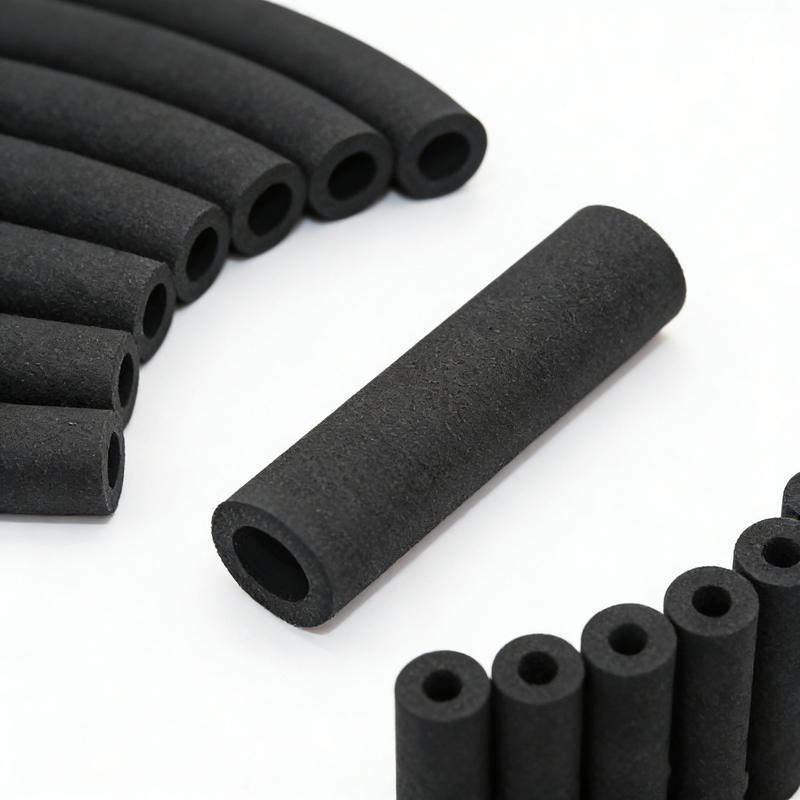
Based on the secondary headings, continue to extend and go deeper, can use critical thinking, to break down the question, to help the reader understand more deeply, need to use the tertiary headings, and Markdown formatting tables to express the ideas in a more structured way. (around 150 words) Let's break down the key parameters:
| Parameter | Importance |
|---|---|
| Actual Stroke Length | Determines how far the bellows will extend or compress. |
| Compression Ratio | Affects the durability and flexibility of the bellows. |
| Frequency of Use | High frequency can lead to rapid fatigue and failure. |
When selecting small rubber bellows1, ensure you consider all three aspects. The actual stroke length2 needs to align with the application’s requirements, and understanding how often the bellows will be used is crucial. A common scenario is when clients provide installation lengths without specifying dynamic conditions. This can lead to poor performance and failure.
Conclusion
Ensuring the right design specifications for small rubber bellows1 is essential to avoiding costly failures.
Explore this link to understand the various applications of small rubber bellows and their significance in different industries. ↩
Learn about the critical role of stroke length in rubber bellows design to ensure optimal performance and longevity. ↩
Discover how compression ratio impacts the durability and flexibility of rubber bellows, essential for successful applications. ↩
Explore the relationship between installation space and rubber bellows performance to avoid common pitfalls in design. ↩
Understanding key design factors can prevent costly mistakes in rubber bellows projects, ensuring better outcomes. ↩