

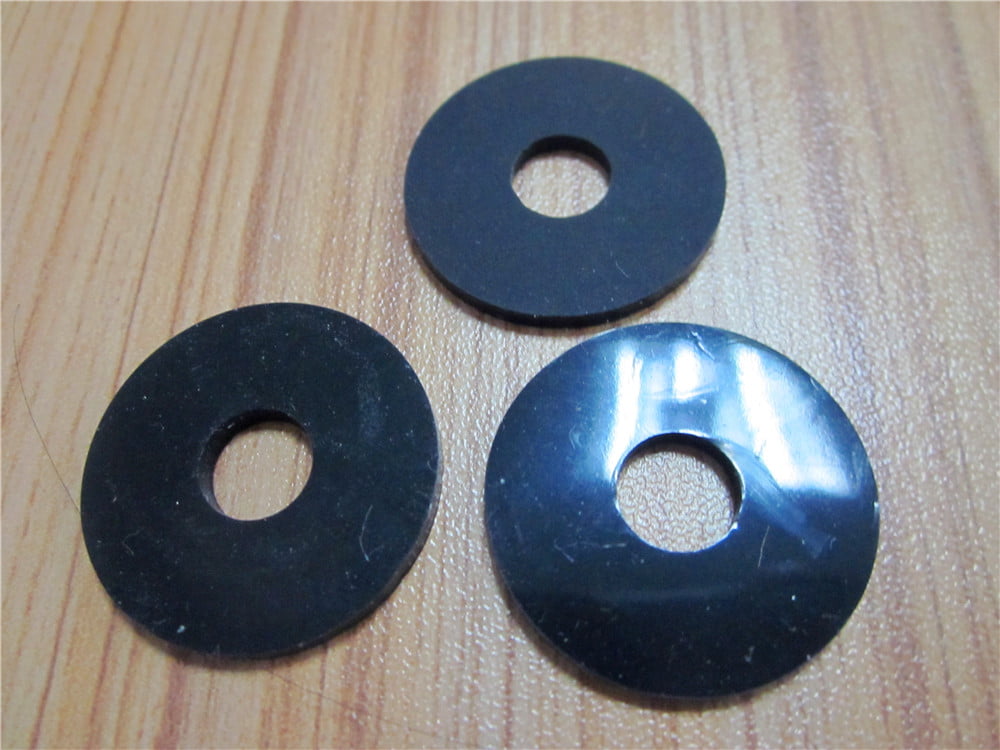
The rubber gasket industry can be tricky. Many think selecting silicone is enough for sealing. But in reality, problems like leaks and inadequate rebound often arise.
To ensure proper sealing, it’s crucial to match silicone hardness1 with compression and working conditions.
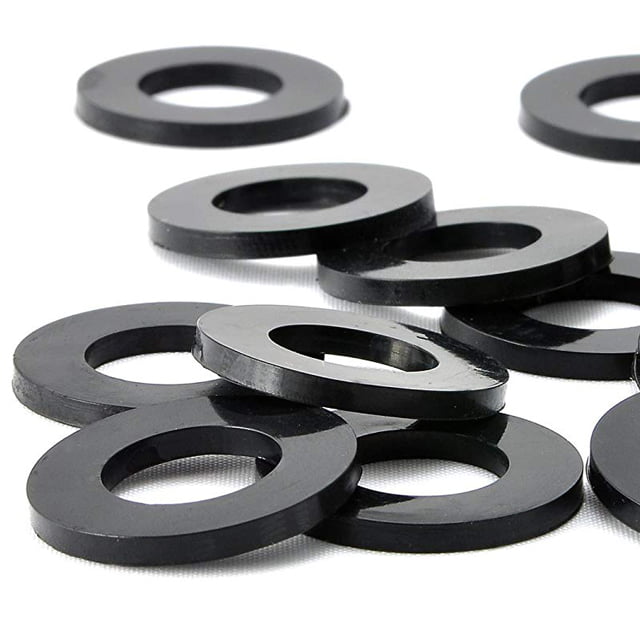
I often see clients overlook this detail. They focus on the material being silicone and matching dimensions. Yet, they neglect the hardness of the silicone. This is critical.
If the hardness is too soft, the gasket may compress and collapse over time, leading to a loss of sealing capability. Conversely, if it’s too hard, installation becomes challenging, and uneven stress can cause leaks.
Why Is This an Easy Pitfall to Fall Into?
The sealing principle of silicone gaskets is simple: compression fills gaps, and elastic rebound maintains long-term sealing.
Understanding the effects of different hardness levels is essential:
-
If the hardness is too soft:
- Initial sealing may be fine, but prolonged compression can lead to flattening.
- Rebound decreases, resulting in sealing failure.
-
If the hardness is too hard:
- Difficult installation.
- Uneven stress can also lead to leaks.
Many times, the dimensions and material are correct, but sealing issues2 still occur.
A Real Case Study
I worked on a sealing project for a device that utilized standard silicone gaskets. The cross-sectional dimensions matched perfectly with the groove. Initially, everything seemed fine.
But after a few months, we noticed:
- The sealing strip had flattened in certain areas.
- Rebound had noticeably decreased.
- Intermittent leaks began to appear.
The root cause? The selected silicone hardness1 was too low and didn’t match the actual compression ratio3 in its environment.
To remedy this, we made some adjustments:
- Increased hardness to an appropriate range.
- Maintained the same cross-sectional dimensions.
- Chose an aging-resistant formula.
Once we made these changes, sealing performance stabilized, and the service life improved significantly.
Key Strategies to Avoid Pitfalls
-
Confirm the Compression Ratio and Hardness Match:
- A compression ratio3 of 20%–30% is common.
- Adjust hardness based on actual working conditions.
-
Consider Long-Term Rebound and Aging:
- Silicone can undergo slight permanent deformation with prolonged compression.
- For high-temperature or outdoor environments, select aging-resistant formulas4.
-
Examine the Installation Environment:
- Groove width, compression pressure, and friction all affect sealing.
- If dimensions are correct but hardness is mismatched, sealing will still fail.
What Suppliers Can Do Better
Simply producing silicone gaskets based on dimensions can lead to issues. Here’s a more effective approach:
- Recommend hardness based on the compression ratio3.
- Provide references for rebound and aging performance.
- Offer samples for verification when necessary.
- Optimize cross-sectional designs and material formulations to ensure long-term sealing.

Experience Summary
The key to silicone gaskets isn’t just choosing silicone material, it’s about:
- Dimensions
- Hardness
- Compression Matching
- Aging Adaptability
I’ve fallen into the pit of “correct dimensions but sealing failure” myself. Now, I always ask:
“Under what compression ratio3 and working conditions will this gasket operate long-term?”
Clarifying this question can help prevent most sealing issues2.
If you’re evaluating silicone gaskets or unsure about the reliability of your current designs, please describe your working environment. I can help analyze and enhance your sealing solutions.
Understanding silicone hardness is crucial for effective sealing, ensuring long-term performance and preventing leaks. ↩
Identifying common sealing issues can help you avoid pitfalls and ensure reliable gasket performance. ↩
The compression ratio directly influences sealing effectiveness; knowing it helps in selecting the right gasket. ↩
Aging-resistant formulas extend the life of gaskets in harsh conditions; learn more to improve durability. ↩