

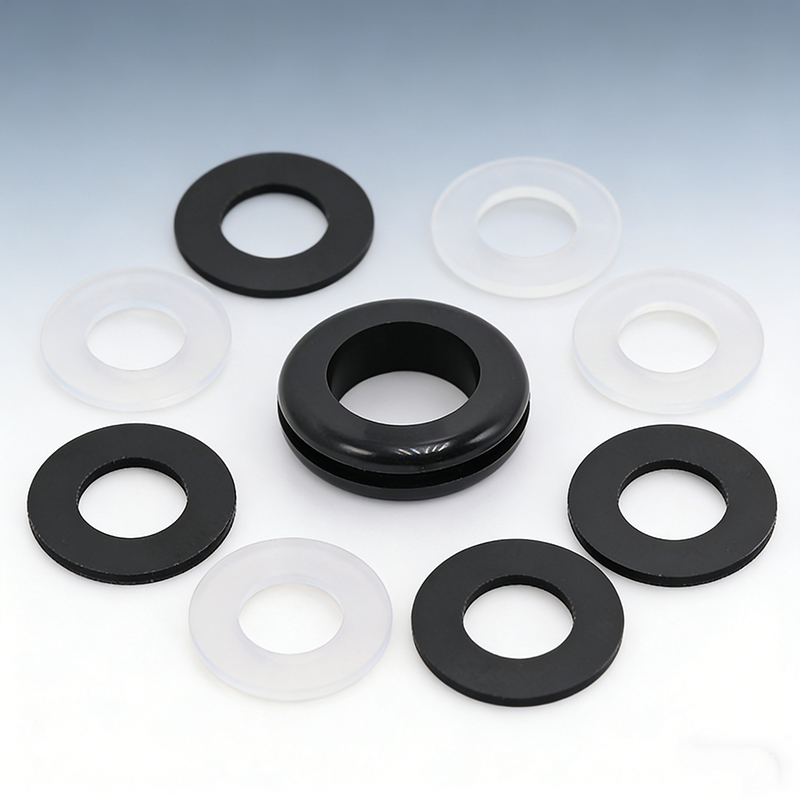
In the world of manufacturing, the quality of your materials is crucial. But what happens when “food-grade” becomes a hidden danger in your silicone gasket ring procurement?
Silicone gasket rings1 are the preferred choice in medical, food processing, and high-end small appliance industries due to their excellent temperature resistance and biocompatibility. However, many times, the so-called “premium silicone rings” you purchase can carry volatile organic compounds2 that ruin your brand’s reputation.
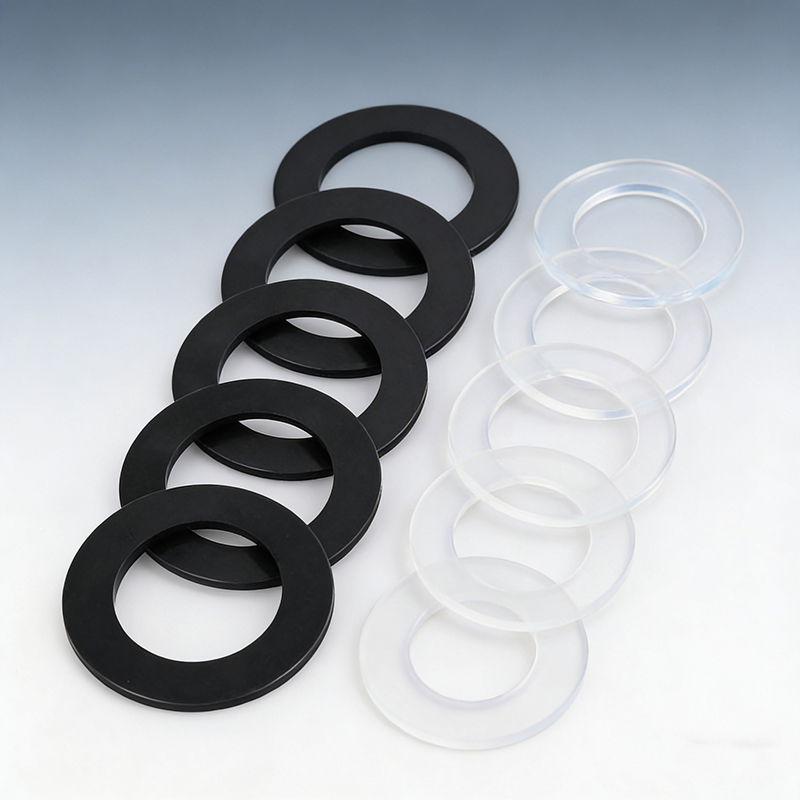
I have spent many years in the precision manufacturing field of silicone rubber, and I want to share a harsh truth with you: The trap of incomplete post-curing leads to off-gassing and odor issues.
What Is the Hidden Trap Behind Silicone Gasket Rings?
When you receive a gasket ring that seems perfect in size, hardness, and color, your first instinct is to feel relieved. The initial sealing tests may also pass with flying colors. But here's the real headache: When your products hit the market, customers report a rubber smell, or worse, a white powder or sticky substance appears on the gasket's surface after it has been subjected to high temperatures.
Where does this trap lie? Silicone requires curing agents during its molding process. If a supplier cuts corners on time or temperature during the post-curing (baking) process, low molecular weight substances (VOCs) can remain trapped inside the silicone.
These “semi-finished” products continue to release odors during your device's operation and can even migrate into your food or medicinal liquids. For you, this isn't just a product quality issue; it’s a serious compliance crisis.
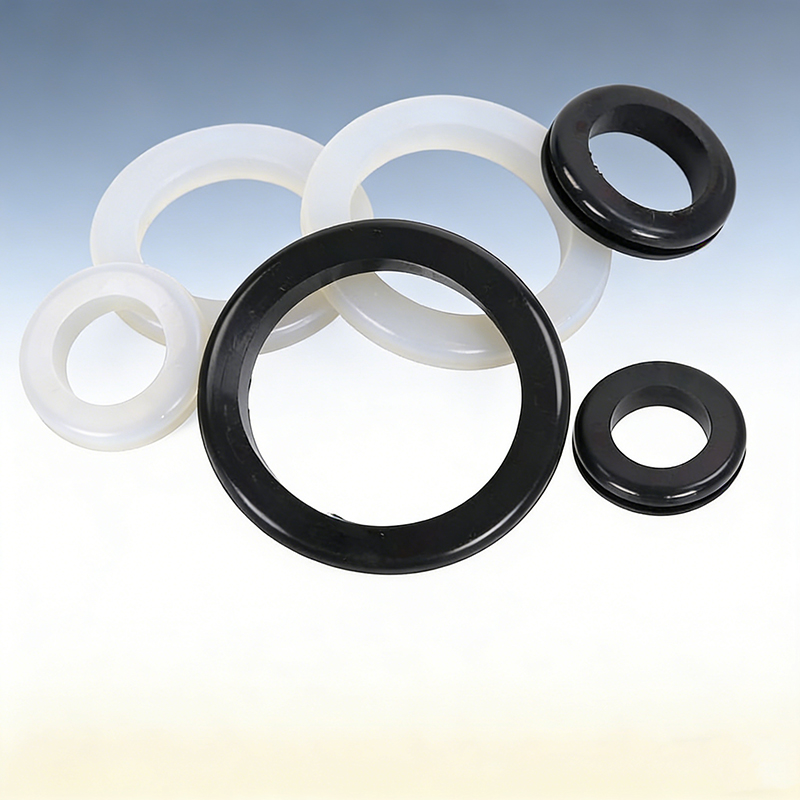
How Can You Avoid This Trap?
To ensure your silicone sealing components are genuinely safe and reliable, make sure to execute these two points during the selection process:
-
Conduct an “Odor and Bubble” Simple Test: Place the gasket ring in an oven at 150°C for 2 hours. If you notice a sharp, unpleasant odor or tiny bubbles on the surface, this indicates that the curing process was rushed.
-
Verify FDA/LFGB Compliance3 with Process Reports: Don’t just look at a certificate; check if the supplier has clear documentation of their post-curing process4, which typically requires a baking temperature of over 200°C for more than 4 hours.
How Do We Solve It From the Ground Up?
I firmly believe that true “food-grade” quality is not just printed on the packaging, but rather it is produced through meticulous processes.
Last year, a partner who designs high-end coffee machines approached me because their sealing rings always had a faint plastic smell when hot water brewed. Our technical team took over and not only switched to high-purity platinum-cured silicone5 but also optimized the production line's “tunnel-style post-curing center.”
We ensured that each gasket ring underwent precise temperature-controlled baking and used vacuum extraction testing6 to confirm that volatile content was far below industry standards. In the end, that partner's new product received zero odor ratings in blind tests, fully resolving a six-month reputation crisis.
Conclusion
Your precision projects deserve a cleaner sealing guarantee. If you are facing issues with odor, leaching, or unstable temperature resistance in silicone rings, feel free to contact us. Our professional engineering team can offer complete technical support, from material formulation modifications to rigorous production processes tailored to your industry needs.
Reach out, and let us infuse real credibility into your product details with our professional manufacturing standards.
Explore the advantages of silicone gasket rings, including their temperature resistance and biocompatibility, crucial for various industries. ↩
Learn about volatile organic compounds (VOCs) and their impact on product quality and safety in manufacturing processes. ↩
Discover the significance of FDA and LFGB compliance in ensuring the safety of food-grade materials used in manufacturing. ↩
Understand the importance of the post-curing process in silicone manufacturing to ensure product safety and performance. ↩
Find out why high-purity platinum-cured silicone is preferred for applications requiring superior quality and safety. ↩
Learn how vacuum extraction testing helps in verifying the quality of silicone products by measuring volatile content. ↩