

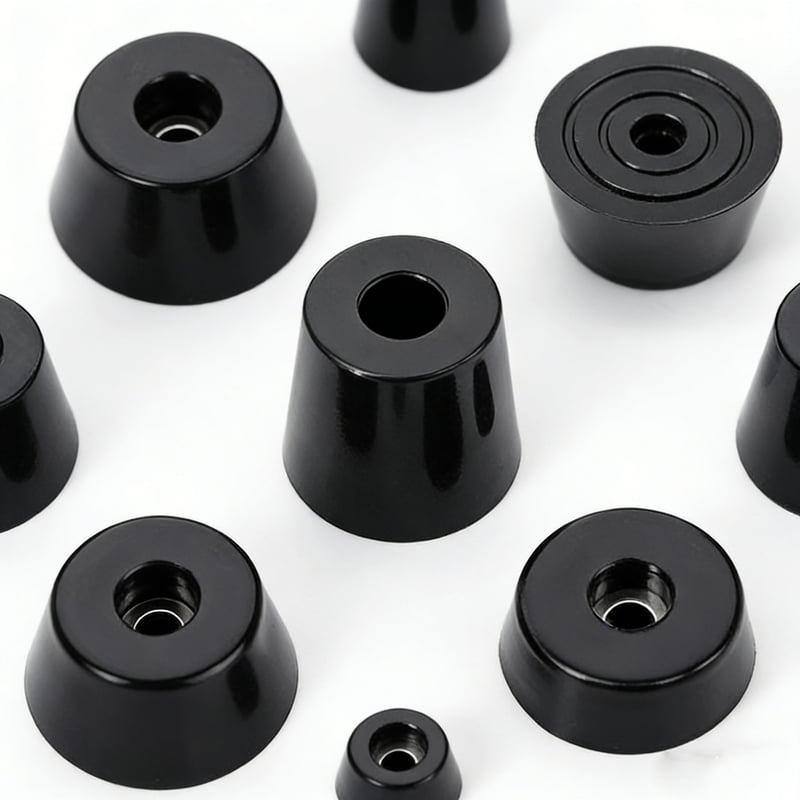
The first paragraph, which uses PAS formula to grab the reader's attention (max 30 words). In many industries, Shock & Vibration Isolators1 protect equipment. But why do issues persist even after installing them? Understanding the details could save you from costly mistakes.
second paragraph at the beginning, answering the question posed by the title, this paragraph must be HELPFUL to the reader and will be used later to compete for Google's Featured Snippets. (max 50 words)
Shock & Vibration Isolators1 may not resolve issues if they are designed solely for static vibration2. It's crucial to evaluate whether your application experiences sudden impacts3 or loads to ensure proper protection.
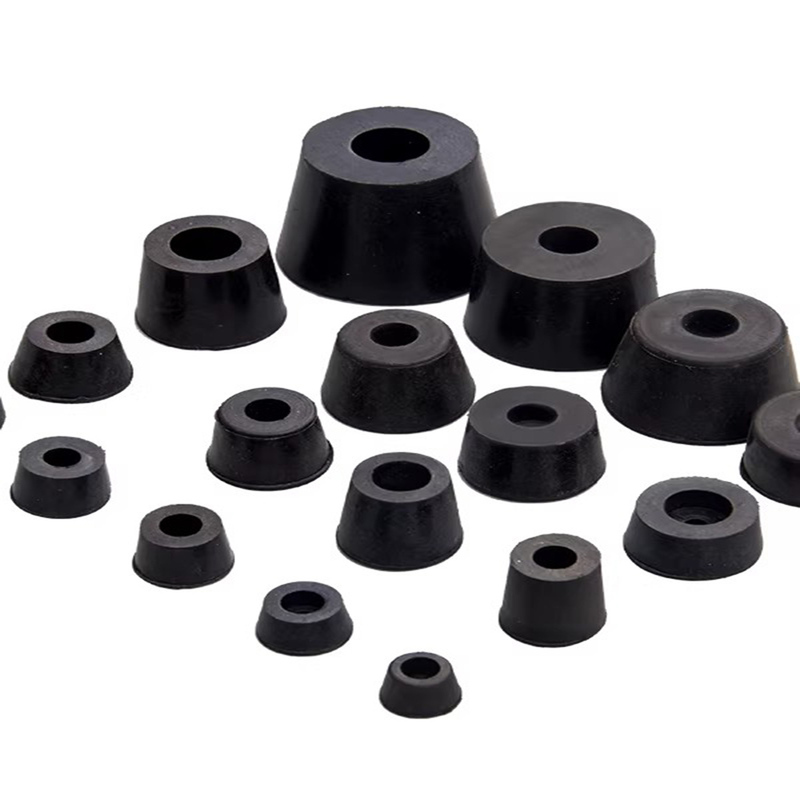
The paragraph that begins and ends with a paragraph that will keep the customer from reading further.
To prevent damage, we must understand both vibration and impact. Many overlook the importance of impact loads4 when selecting isolation solutions. This oversight can lead to repeated failures and increased costs. Let's explore how to avoid this common pitfall.
Why Do Equipment Failures Persist Even with Isolation?
The first paragraph, which uses the PAS strategy to grab the reader's attention (max 30 words).
It’s frustrating to see equipment fail despite having Shock & Vibration Isolators1. There’s often a critical oversight that leads to these failures. Let's uncover what that is.
The second paragraph, which answers the question posed by the headline, is the paragraph that will be used later to compete for Google's Featured Snippets. (max 50 words)
The main issue arises when isolators are designed only for static vibration2. They fail to account for sudden impacts3. Understanding both factors is essential for effective protection against equipment damage.
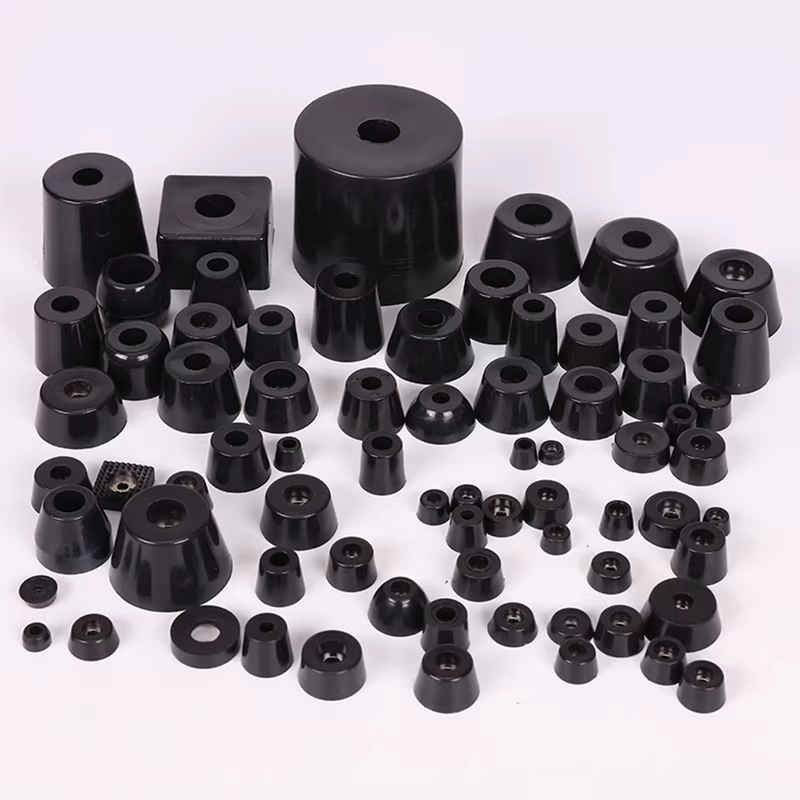
Based on the secondary headings, continue to extend and go deeper, can use critical thinking, to break down the question, to help the reader understand more deeply, need to use the tertiary headings, and Markdown formatting tables to express the ideas in a more structured way. (around 150 words)
When selecting Shock & Vibration Isolators1, many focus on parameters like load capacity, static compression, and vibration isolation5 effects. However, the real challenge often lies in impact loads4. Here’s how to differentiate between them:
| Criteria | Vibration Isolation | Impact Isolation |
|---|---|---|
| Purpose | Prevent continuous vibration | Absorb sudden shocks |
| Design Focus | Static load handling | Dynamic load mitigation |
| Assessment Methods | Compression tests | Impact tests |
To effectively evaluate isolators, consider specific application scenarios. Is there transportation involved? What about startup and stopping shocks? Understand how often your equipment experiences sudden impacts3 versus continuous vibration. This understanding is key to making the right choice in isolators.
Conclusion
Shock & Vibration Isolators1 must address both vibration and impact loads4. Neglecting impact scenarios can lead to equipment damage and instability.
Explore this link to understand the fundamentals of Shock & Vibration Isolators and their importance in protecting equipment. ↩
Learn about static vibration and its implications for equipment performance, ensuring you make informed decisions. ↩
Discover the effects of sudden impacts on equipment to better understand the need for effective isolation solutions. ↩
Understanding impact loads is crucial for selecting the right isolators; this resource will clarify their significance. ↩
Gain insights into vibration isolation techniques and their role in maintaining equipment integrity. ↩