

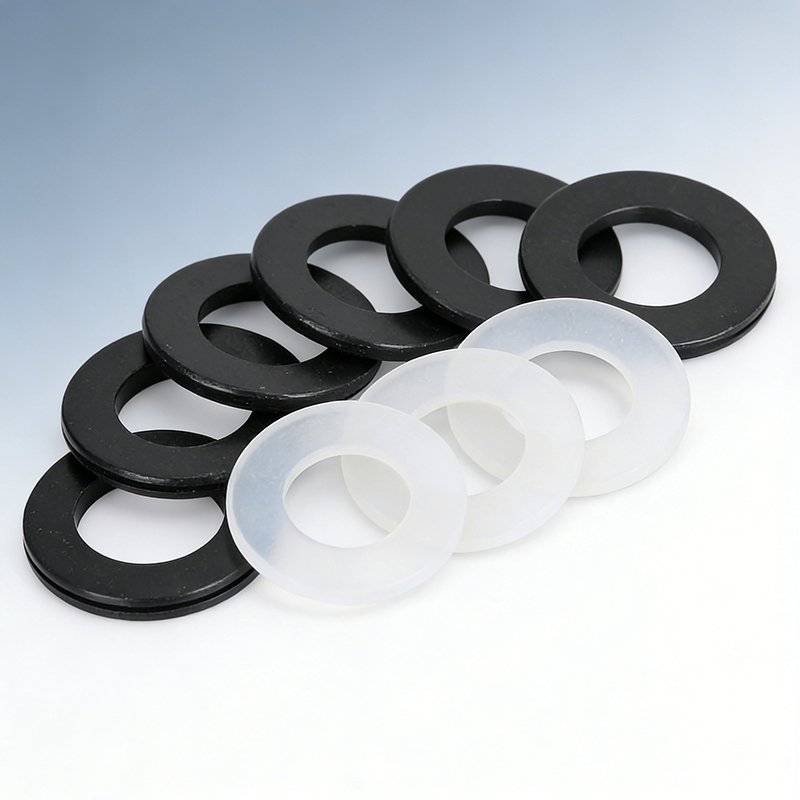
Many engineers face unexpected equipment failures when their rubber gaskets1 crack prematurely. This problem costs companies thousands in repairs and downtime.
The right sheet rubber2 and gasket material selection prevents 90% of early seal failures. Choose materials based on your specific operating conditions3 like temperature, pressure, and chemical exposure4 to ensure long-lasting performance and avoid costly equipment breakdowns.
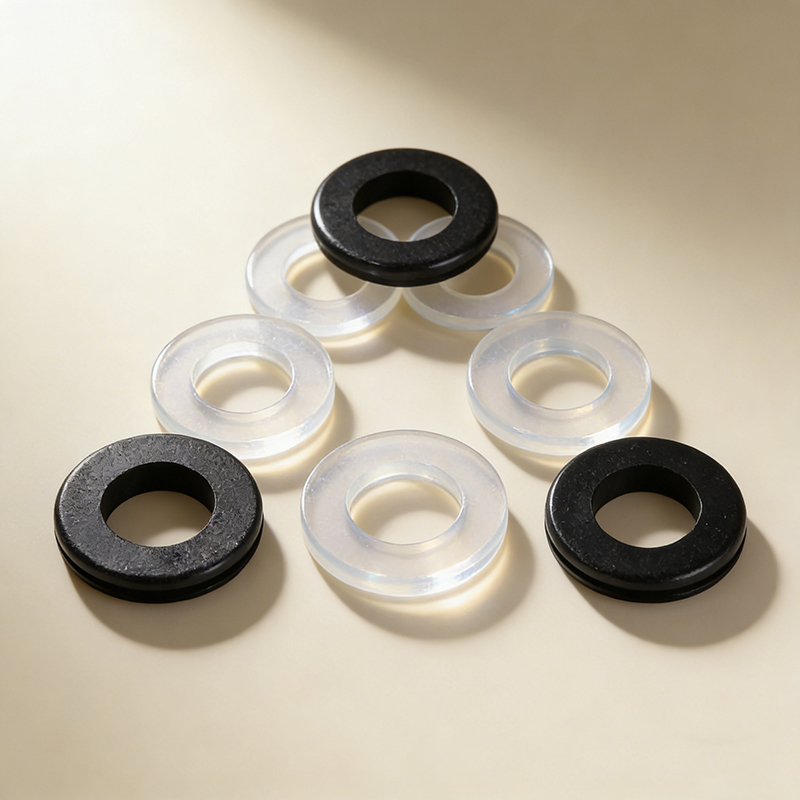
I have seen this mistake destroy entire production schedules. Let me share what I learned from 27 years in the rubber manufacturing industry.
What Makes Sheet Rubber Different from Standard Gasket Materials?
Sheet rubber seems simple, but choosing the wrong type leads to expensive failures. Most people think all rubber sheets work the same way.
Sheet rubber offers continuous material properties across large surfaces, while gasket materials5 are engineered for specific sealing applications. Sheet rubber provides flexibility for custom cutting6, whereas gaskets come pre-formed for exact specifications and targeted performance requirements.


I worked with a client who needed seals for their chemical processing equipment. They initially wanted to cut their own gaskets from general-purpose rubber sheets. This approach failed within weeks because the material could not handle their specific chemical exposure4.
Sheet rubber works best when you need large continuous surfaces or custom shapes. The material maintains consistent thickness and properties across the entire sheet. You can cut any shape you need from a single piece.
Gasket materials are different. We engineer them for specific sealing challenges. Each compound targets particular temperature ranges, chemical resistance7, or pressure requirements8. The manufacturing process optimizes these materials for sealing performance rather than general-purpose use.
| Material Type | Best Applications | Key Advantages | Limitations |
|---|---|---|---|
| Sheet Rubber | Large surfaces, custom cutting6 | Flexibility, consistent properties | Generic performance |
| Gasket Materials | Specific sealing needs | Targeted performance, optimized compounds | Limited shape options |
| Hybrid Solutions | Complex assemblies | Combined benefits | Higher cost |
The choice depends on your specific needs. Simple applications might work fine with sheet rubber2. Complex sealing challenges need specialized gasket materials5.
How Do Operating Conditions Affect Material Selection?
Temperature kills more gaskets than any other factor. I have seen rubber gaskets1 turn into powder after just one month in high-heat applications.
Operating temperature determines material lifespan more than any other factor. Silicone gaskets handle -65°F to 400°F, while EPDM works from -40°F to 300°F. Choose materials with temperature ratings9 50°F above your maximum operating conditions3 for reliable long-term performance.
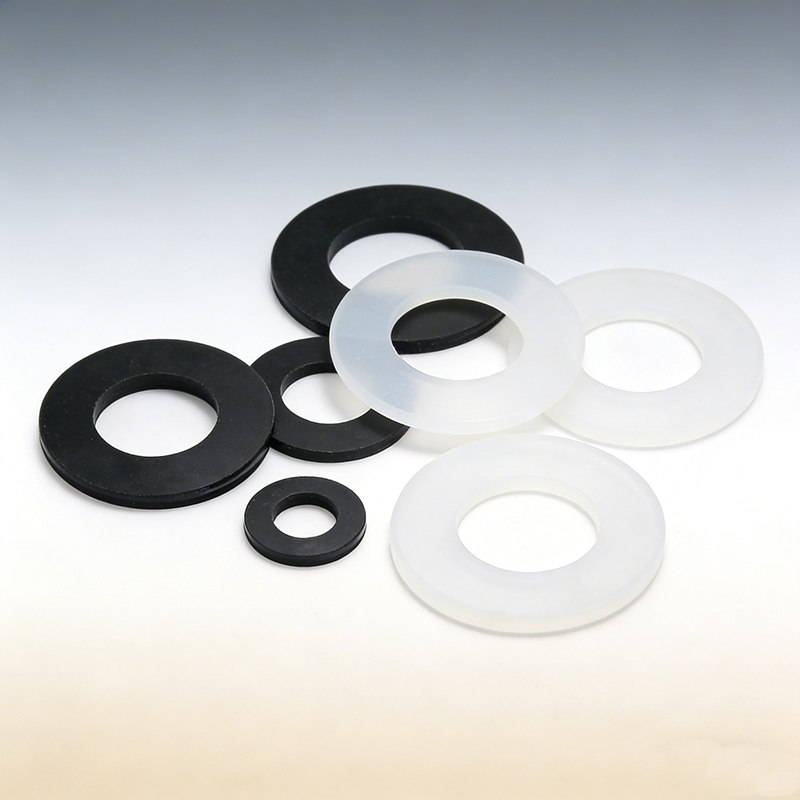
Temperature is just the beginning. Chemical exposure creates the most complex selection challenges. A client once contacted me after their NBR gaskets dissolved in contact with certain solvents. The wrong material choice cost them a complete equipment rebuild.
Pressure adds another layer of complexity. High-pressure applications need materials that resist extrusion and maintain their shape under load. Low-pressure sealing focuses more on conformability and surface contact.
Chemical resistance varies dramatically between materials. Silicone resists many chemicals but fails with oils. NBR handles petroleum products well but struggles with ozone. EPDM offers excellent weather resistance10 but limited oil compatibility.
| Environmental Factor | Material Impact | Selection Criteria | Common Mistakes |
|---|---|---|---|
| High Temperature | Accelerated aging | Choose heat-resistant compounds | Using general-purpose rubber |
| Chemical Exposure | Material degradation | Match material to specific chemicals | Assuming universal compatibility |
| UV/Ozone | Surface cracking | Select weather-resistant materials | Ignoring outdoor exposure |
| Pressure Cycling | Fatigue failure | Consider dynamic properties | Focusing only on static properties |
We always recommend testing materials in actual operating conditions3 before final selection. Laboratory data provides guidance, but real-world performance tells the complete story.
Which Materials Work Best for Different Industries?
Electronics manufacturing demands different gasket properties than automotive applications. Each industry has unique challenges that require specific material solutions.
Electronics need EMI shielding gaskets11 with conductive properties, automotive requires oil-resistant NBR compounds, and food processing demands FDA-approved silicone12 materials. Medical applications need biocompatible materials13 while industrial equipment focuses on chemical resistance7 and durability.
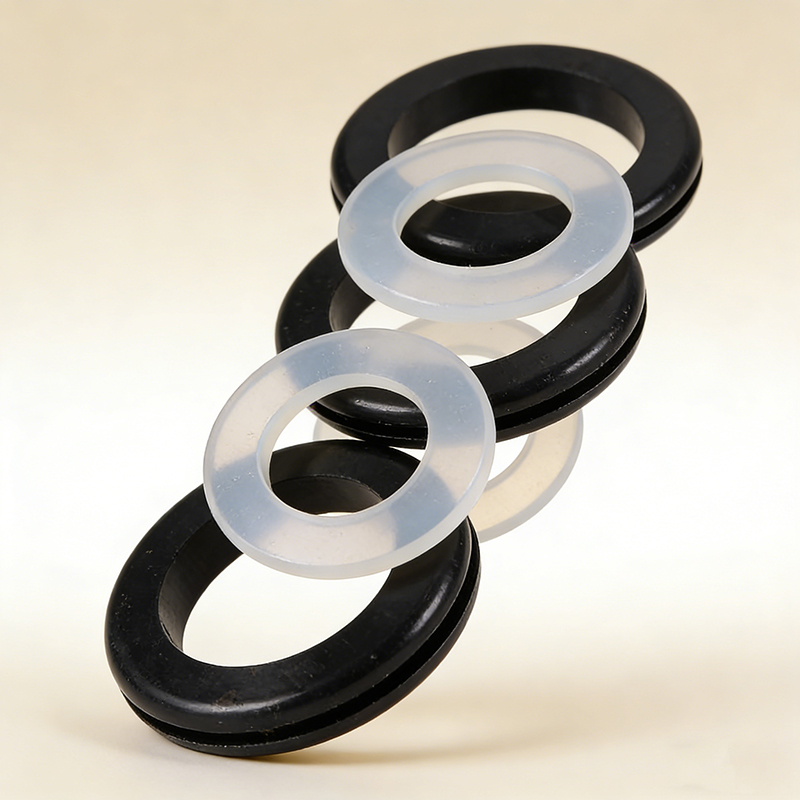
Electronics applications present unique challenges. EMI shielding requires conductive gaskets that maintain electrical properties while providing environmental sealing. We often combine silicone with conductive fillers to achieve both goals.
Automotive applications face extreme conditions. Engine compartments see temperature swings from -40°F to 300°F plus exposure to oils, fuels, and road chemicals. NBR and fluorocarbon materials handle these conditions best.
Food and medical industries require special certifications. FDA compliance ensures materials meet food contact requirements. USP Class VI certification covers medical device applications. These certifications add cost but provide essential safety assurance.
Industrial equipment covers the broadest range of conditions. Chemical plants need materials resistant to acids, bases, and solvents. Power generation requires high-temperature stability. Water treatment demands chlorine resistance.
| Industry | Primary Challenges | Preferred Materials | Special Requirements |
|---|---|---|---|
| Electronics | EMI shielding, precision fit | Conductive silicone | Tight tolerances |
| Automotive | Temperature, oil resistance | NBR, fluorocarbon | Automotive standards |
| Food Processing | Safety, cleanability | FDA silicone | Food contact approval |
| Medical | Biocompatibility | USP Class VI materials | Medical certifications |
| Chemical | Corrosion resistance | PTFE, fluorocarbon | Chemical compatibility |
Material selection starts with understanding your industry requirements. Generic materials rarely provide optimal performance for specialized applications.
What Quality Standards Should You Expect?
Quality standards separate reliable suppliers from those who cause expensive failures. Poor quality gaskets fail without warning and create safety hazards.
ISO 9001 certification14 ensures consistent manufacturing processes, while material certifications like RoHS and REACH provide regulatory compliance. Expect dimensional tolerances15 of ±0.05mm, complete traceability documentation, and test reports for critical properties like tensile strength and chemical resistance7.
Quality starts with incoming material inspection. We test every batch of raw materials before production begins. This prevents defective materials from reaching finished products.
Manufacturing process control maintains consistency. Temperature, pressure, and timing parameters must stay within tight ranges. Automated monitoring systems track these variables continuously.
Final inspection catches any remaining defects. We measure critical dimensions, test material properties, and verify appearance standards. Documentation packages include all test results and certifications.
Traceability systems track materials from raw components to finished products. This capability enables rapid response if quality issues arise. We can identify affected batches within hours rather than weeks.
| Quality Aspect | Standard Requirement | Our Capability | Documentation Provided |
|---|---|---|---|
| Dimensional Accuracy | ±0.1mm typical | ±0.05mm achieved | Inspection reports |
| Material Properties | Per specification | Tested and certified | Test certificates |
| Process Control | ISO 9001 | Automated monitoring | Process records |
| Traceability | Batch identification | Full material history | Traceability reports |
Quality costs more upfront but saves money through reliable performance. Cheap gaskets often cost more in the long run through failures and replacements.
How Can You Avoid Common Selection Mistakes?
Material selection mistakes cost companies millions in failed equipment and emergency repairs. Most failures happen because people choose materials without understanding their limitations.
Define your complete operating environment including temperature range, chemical exposure4, pressure requirements8, and regulatory needs before selecting materials. Work with experienced suppliers who provide application-specific recommendations16 rather than generic solutions to avoid costly failures and ensure optimal performance.
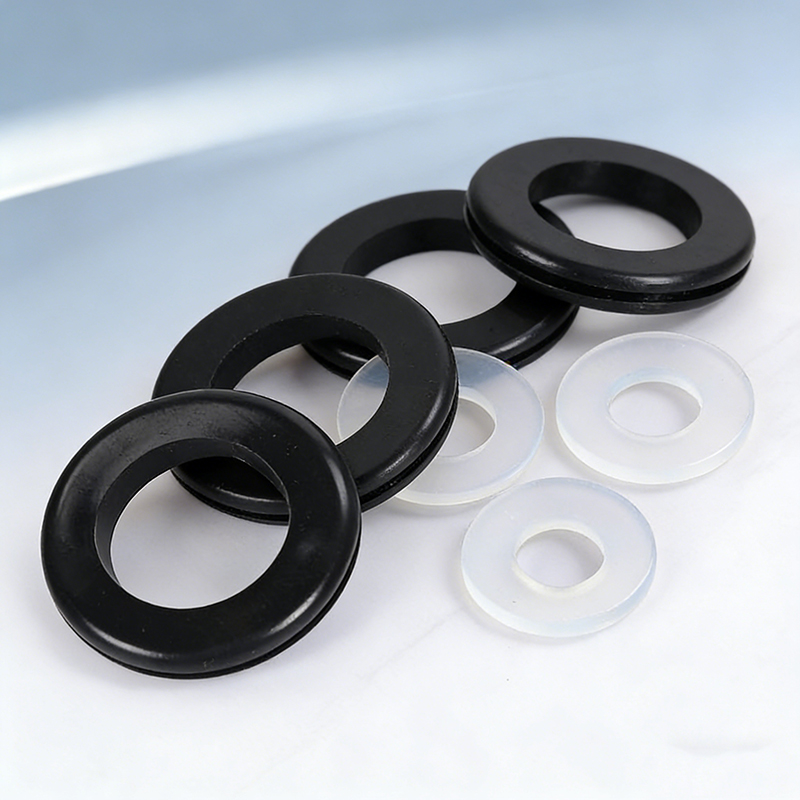
The biggest mistake is choosing materials based only on initial cost. Cheap gaskets often fail quickly and cost more through replacements and downtime. Total cost of ownership includes purchase price, installation labor, and failure costs.
Another common error is ignoring secondary conditions. A gasket might handle your primary chemical perfectly but fail when exposed to cleaning solvents or temperature spikes during maintenance.
Insufficient testing leads to expensive surprises. We recommend prototype testing17 in actual operating conditions3 before committing to large orders. Laboratory data helps narrow choices, but real-world testing confirms performance.
Communication gaps between design and procurement teams create problems. Engineers specify materials for performance while purchasing focuses on cost. Both perspectives matter for successful projects.
| Common Mistake | Why It Happens | Consequences | Prevention Strategy |
|---|---|---|---|
| Cost-Only Focus | Budget pressure | Premature failure | Consider total cost |
| Ignoring Secondary Conditions | Incomplete analysis | Unexpected failures | Complete environment review |
| Skipping Prototypes | Time pressure | Production delays | Plan testing time |
| Poor Communication | Organizational silos | Wrong specifications | Cross-functional teams |
We help customers avoid these mistakes through detailed application reviews. Our engineering team asks the right questions to understand your complete requirements.
Conclusion
Choose sheet rubber2 and gasket materials5 based on your specific operating conditions3, not just initial cost, to ensure reliable long-term performance and avoid expensive failures.
Understanding common issues with rubber gaskets can help prevent costly failures in your operations. ↩
Explore the various applications of sheet rubber to see how it can benefit your projects. ↩
Discover how operating conditions impact material selection to ensure optimal performance. ↩
Understanding chemical exposure effects can help you choose the right materials for your applications. ↩
Learn about the different types of gasket materials to make informed choices for your sealing needs. ↩
Learn about custom cutting in sheet rubber to achieve specific shapes for your projects. ↩
Explore the variations in chemical resistance to select the best materials for your applications. ↩
Understanding pressure requirements is essential for selecting the right gasket materials. ↩
Explore temperature ratings to select materials that withstand your specific operating conditions. ↩
Explore materials with excellent weather resistance to ensure durability in outdoor applications. ↩
Learn about EMI shielding gaskets to ensure your electronic devices are protected. ↩
Discover the importance of FDA-approved silicone in food processing and safety. ↩
Explore the significance of biocompatible materials in medical applications for safety. ↩
Understanding ISO 9001 certification can help you choose reliable suppliers for your needs. ↩
Learn about dimensional tolerances to ensure the quality and fit of your gaskets. ↩
Explore application-specific recommendations to avoid common material selection mistakes. ↩
Learn why prototype testing is crucial to avoid costly surprises in material performance. ↩