

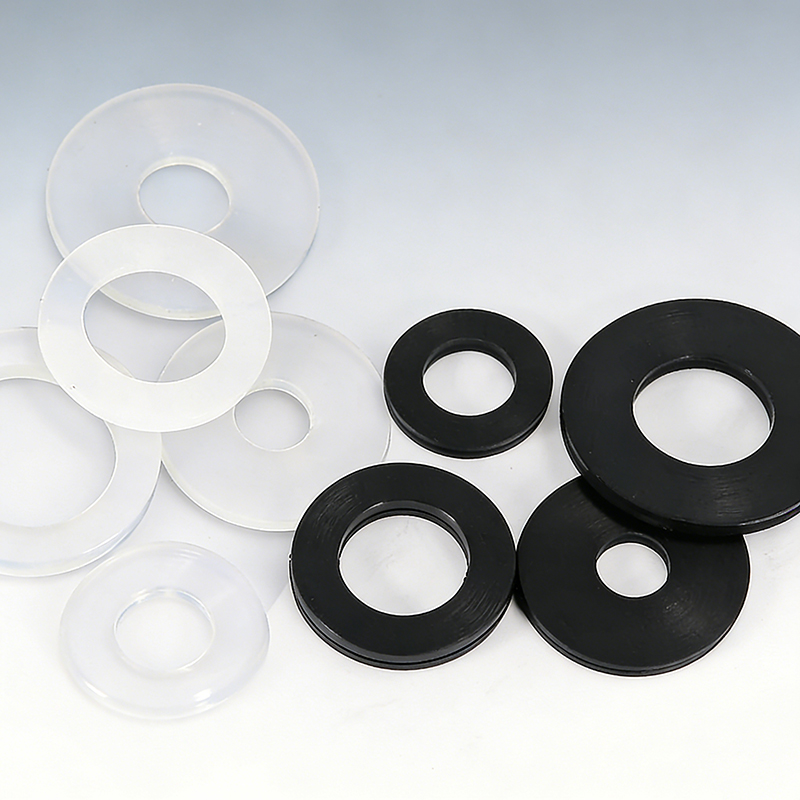
Choosing the wrong gasket material can shut down your entire production line. I've seen it happen too many times.
The right rubber gasket material depends on three critical factors: chemical compatibility1 with your media, operating temperature range2, and pressure requirements3. Match these correctly, and your gaskets will perform reliably for years.
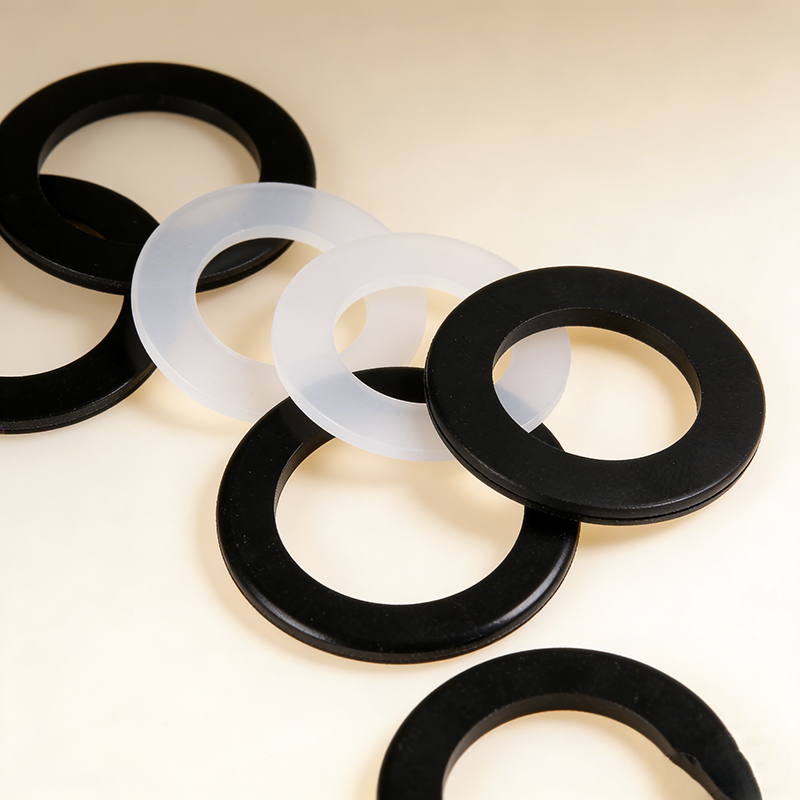
After 27 years in the sealing industry, I want to share the material selection mistakes that cost engineers the most money and downtime. This guide will help you avoid these expensive errors.
What Makes Material Selection So Challenging?
Choosing gasket materials feels overwhelming because suppliers focus on the wrong things. They ask about hardness but ignore what really matters.
The biggest challenge in gasket material selection4 is chemical compatibility1. Two identical-looking materials can have completely different resistance to oils, acids, or solvents based on their formulation.
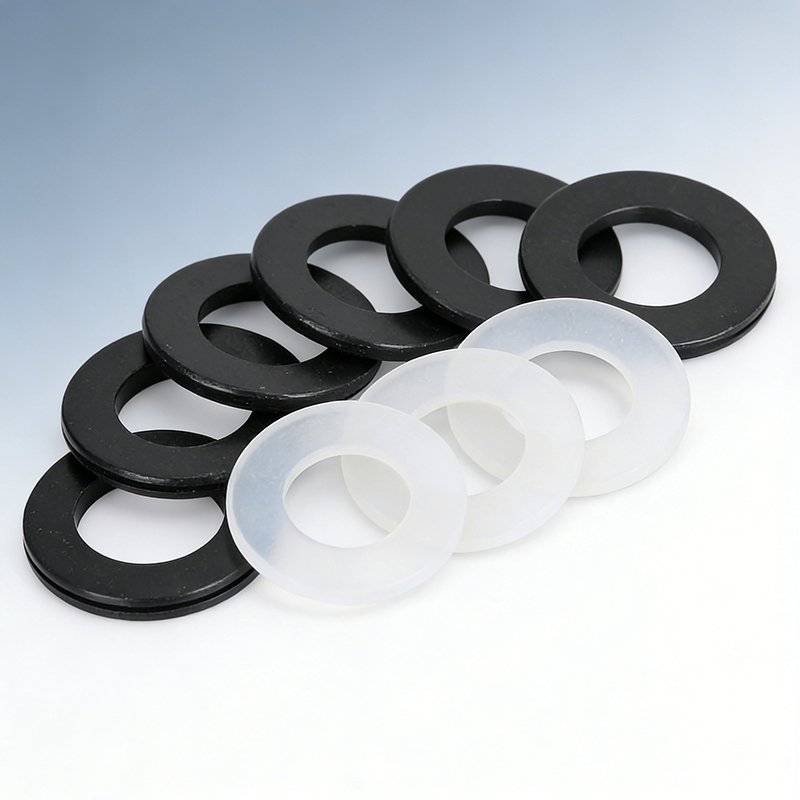
I remember a client who selected EPDM5 gaskets for an oil pipeline system. The gaskets looked perfect and felt right. Within one week, they swelled like soggy crackers and lost all sealing ability. The entire production line shut down. The problem? EPDM5 has poor oil resistance. A simple switch to NBR6 would have prevented this disaster.
This happens because material datasheets7 only show basic properties. They don't tell you how materials behave in real applications. You need to understand the interaction between your specific media and the rubber compound. Even small changes in formulation can dramatically affect chemical resistance.
The selection process becomes more complex when you consider long-term performance. A material might resist your chemical initially but degrade over months of exposure. Temperature changes make this worse. What works at room temperature might fail completely at 80°C.
| Material Type | Oil Resistance | Temperature Range | Best Applications |
|---|---|---|---|
| EPDM5 | Poor | -40°C to +150°C | Water, steam, ozone |
| NBR6 | Excellent | -30°C to +120°C | Oils, fuels, hydraulics |
| Silicone8 | Poor | -60°C to +230°C | High temperature, food |
| FKM9 | Excellent | -20°C to +200°C | Chemicals, extreme conditions |
How Do You Identify Your Critical Requirements?
Most material failures happen because engineers skip the requirements analysis. They jump straight to comparing material properties without understanding their application.
Start by identifying three critical factors: the chemical media your gasket will contact, the operating temperature range2, and the pressure conditions. These three parameters eliminate 90% of unsuitable materials immediately.
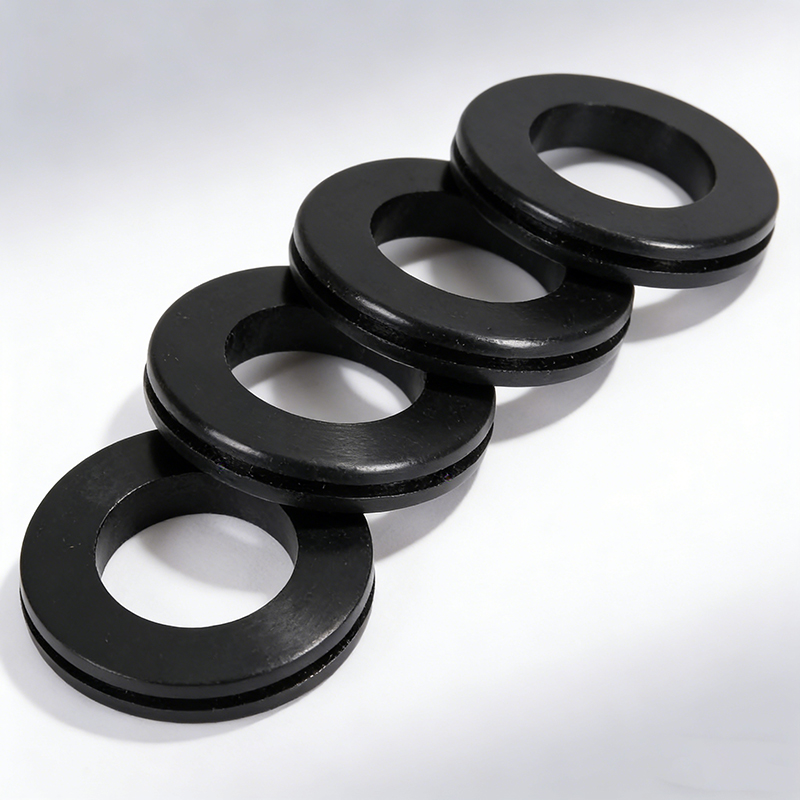
Begin with chemical compatibility1. List every substance your gasket might contact during normal operation and maintenance. Don't forget cleaning solvents, lubricants, and process chemicals. Water-based systems seem simple but can contain additives that attack certain rubbers.
Temperature analysis requires both steady-state and peak temperatures. Your gasket might handle 100°C continuously but fail during 150°C startup conditions. Thermal cycling creates additional stress. Materials expand and contract at different rates, causing seal failure even within the rated temperature range.
Pressure considerations go beyond maximum system pressure. Dynamic applications create pressure pulses that stress gaskets differently than static seals. Vacuum conditions can cause gasket collapse if the material lacks sufficient durometer10. Installation compression affects long-term performance significantly.
Consider the installation environment11 too. UV exposure degrades many rubber compounds. Ozone attacks natural rubber and some synthetics. Chemical vapors in the surrounding air can cause gradual deterioration even if they don't directly contact the gasket.
Document these requirements clearly before contacting suppliers. A detailed specification prevents miscommunication and ensures accurate material recommendations. Include expected service life and any regulatory requirements like FDA compliance12 or RoHS restrictions13.
Which Base Polymer Should You Choose?
The base polymer determines your gasket's fundamental properties. Choose wrong here and no amount of optimization will fix the problems.
EPDM5 offers excellent weather resistance and steam compatibility but poor oil resistance. NBR6 provides outstanding oil resistance with moderate temperature capability. Silicone8 handles extreme temperatures but lacks mechanical strength.
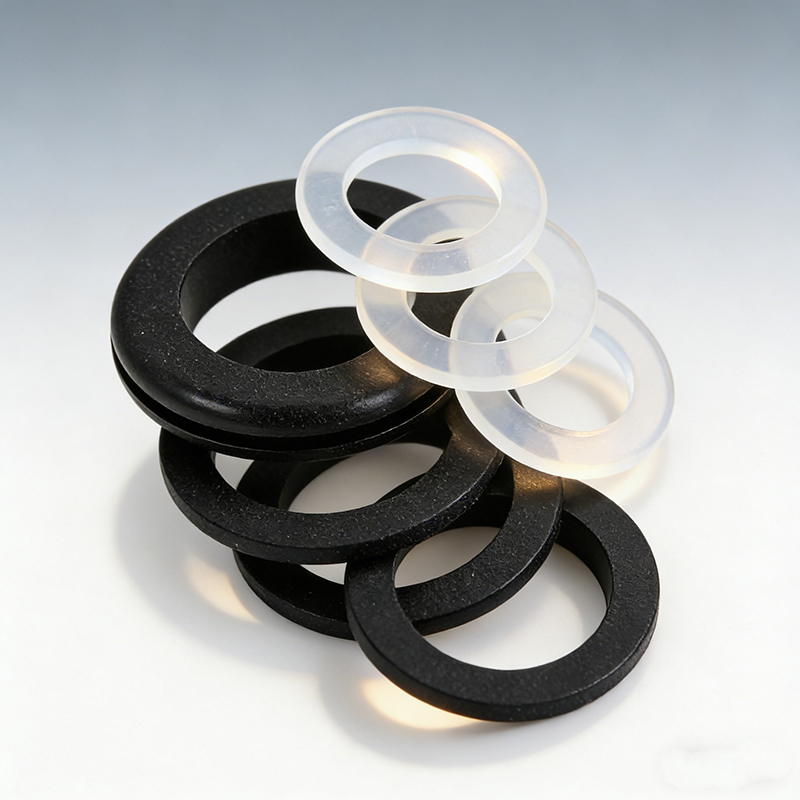
EPDM5 works best for water-based systems, outdoor applications, and steam service. It resists ozone, UV radiation, and most acids and bases. The material stays flexible at low temperatures and maintains properties through thermal cycling. However, EPDM5 swells dramatically in petroleum products and most organic solvents.
NBR6 dominates oil and fuel applications. It maintains sealing force in hydraulic systems and resists most petroleum products. Temperature capability reaches 120°C for continuous service. NBR6 becomes brittle at low temperatures and degrades in ozone exposure. It's unsuitable for steam or ketone solvents.
Silicone8 provides the widest temperature range from -60°C to +230°C. It remains flexible at extreme temperatures and resists many chemicals. Food-grade formulations meet FDA requirements. Silicone8's weakness is mechanical properties. It tears easily and has poor abrasion resistance.
FKM9 (fluoroelastomer) handles the harshest chemical environments. It resists acids, bases, solvents, and high temperatures simultaneously. The material costs significantly more but provides unmatched chemical compatibility1. Use FKM9 when other materials fail or when failure consequences are severe.
Natural rubber offers excellent mechanical properties and low cost. It works well for water applications and provides good compression set resistance. However, natural rubber degrades in oils, ozone, and elevated temperatures. It's becoming less common in industrial applications.
| Property | EPDM5 | NBR6 | Silicone8 | FKM9 |
|---|---|---|---|---|
| Oil Resistance | Poor | Excellent | Poor | Excellent |
| Temperature Range | -40 to +150°C | -30 to +120°C | -60 to +230°C | -20 to +200°C |
| Cost | Low | Medium | Medium | High |
| Chemical Resistance | Good | Fair | Good | Excellent |
What About Durometer and Physical Properties?
Durometer affects sealing performance more than most engineers realize. Too soft and your gasket extrudes under pressure. Too hard and it won't conform to surface imperfections.
Choose durometer10 based on groove design and pressure conditions. Soft compounds (40-60 Shore A) work for low pressure and rough surfaces. Hard compounds (70-90 Shore A) handle high pressure and prevent extrusion.
Low durometer10 materials conform better to surface irregularities and require less installation force. They create effective seals on rough or damaged surfaces. However, soft materials extrude easily under pressure and wear faster in dynamic applications14. They also have higher compression set, meaning permanent deformation over time.
High durometer10 compounds resist extrusion and maintain dimensional stability under pressure. They last longer in dynamic seals and recover better after compression. The downside is higher installation force requirements and reduced conformability. Hard materials may not seal effectively on rough surfaces.
Consider your groove design when selecting durometer10. Deep, narrow grooves support soft materials and prevent extrusion. Shallow, wide grooves require harder materials to maintain sealing force. Face seal applications typically use harder compounds than confined O-ring seals.
Temperature affects durometer10 significantly. Most rubber compounds become harder at low temperatures and softer when heated. Plan for these changes in your application. A 70 Shore A material might behave like 80 Shore A in cold conditions or 60 Shore A when hot.
Dynamic applications require special consideration. Harder materials resist wear but may cause more friction. Softer compounds wear faster but create better sealing contact. Balance these factors based on your specific requirements and maintenance schedule.
Testing physical properties beyond durometer10 helps ensure success. Tensile strength indicates tear resistance. Elongation shows flexibility. Compression set predicts long-term sealing ability. These properties vary significantly between suppliers even for the same base polymer.
How Do We Help You Avoid Selection Mistakes?
We've seen every possible gasket failure mode in our 27 years of manufacturing. Our selection process prevents the costly mistakes that shut down production lines.
Our material selection goes beyond datasheets to real-world performance data. We maintain a compatibility database15 with actual test results from customer applications, not just theoretical chemical resistance charts.
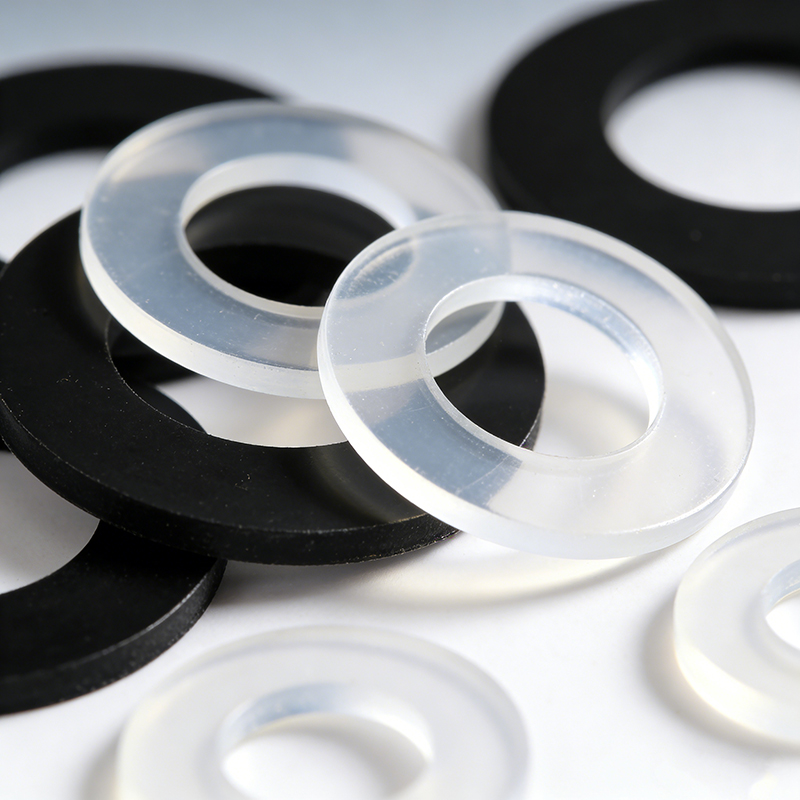
When you contact us with an application, we don't just ask about durometer10. Our technical team reviews your complete operating conditions against our application database. We've tracked material performance in thousands of installations across electronics, automotive, industrial, and medical applications.
We tell you when expensive FKM9 is necessary to prevent failure and when cost-effective EPDM5 will work perfectly. Our recommendations consider your total cost of ownership16, not just initial material price. A gasket that costs twice as much but lasts ten times longer saves money and reduces maintenance downtime.
Our in-house testing capability validates material performance before production. We can expose samples to your actual operating conditions and measure property changes over time. This eliminates guesswork and provides confidence in material selection.
We maintain detailed records of every formulation we produce. If you need to source additional gaskets years later, we can reproduce the exact same compound. This consistency prevents compatibility issues when replacing gaskets in existing equipment.
Our global supply chain17 ensures material availability when you need it. We stock common compounds and can expedite specialty formulations for urgent applications. Regional warehouses reduce shipping time and costs for repeat orders.
Quality documentation supports your regulatory requirements. We provide material certifications, test reports, and traceability records. FDA-compliant and medical-grade options meet healthcare industry standards. RoHS and REACH compliance supports European market requirements.
Conclusion
The right material selection prevents costly failures and ensures reliable sealing performance. Focus on chemical compatibility1, temperature requirements, and pressure conditions to make the best choice.
Learn about the importance of chemical compatibility in gasket selection to avoid costly failures. ↩
This link will help you understand how temperature affects gasket performance and longevity. ↩
Discover how pressure conditions can impact gasket performance and selection. ↩
Explore this resource to understand the critical factors in choosing the right gasket material for your applications. ↩
Find detailed information on EPDM gaskets and their suitability for various applications. ↩
Explore the benefits of NBR gaskets for oil resistance and their applications in various industries. ↩
Discover the limitations of material datasheets and what to look for in real-world applications. ↩
Learn about the unique properties of silicone gaskets and their applications in extreme conditions. ↩
Understand why FKM gaskets are preferred in challenging applications and their benefits. ↩
This resource explains the importance of durometer in ensuring effective sealing performance. ↩
Learn about the factors in the installation environment that can impact gasket performance. ↩
Explore the regulatory requirements for gasket materials used in food and medical applications. ↩
Learn about RoHS compliance and its significance in gasket material selection. ↩
Explore the specific considerations for gasket selection in dynamic environments. ↩
Find out how a compatibility database can help in selecting the right gasket material. ↩
Understand the importance of considering long-term costs in gasket material choices. ↩
Understand the importance of supply chain management in ensuring gasket material availability. ↩