

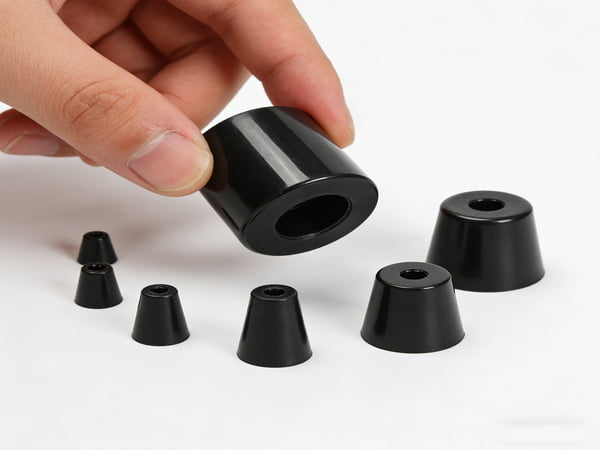
The first paragraph, which uses PAS formula to grab the reader's attention (max 30 words). In the industrial manufacturing field, rubber parts1 are crucial. They are the lifeblood of your machinery. Choosing between standard and custom parts2 can be overwhelming.
second paragraph at the beginning, answering the question posed by the title, this paragraph must be HELPFUL to the reader and will be used later to compete for Google's Featured Snippets. (max 50 words)
When sourcing rubber parts1, understanding the difference between standard and custom options is vital. While standard parts may save time, custom parts2 can offer tailored solutions that fit unique operational environments and requirements, ultimately leading to better performance and longevity.
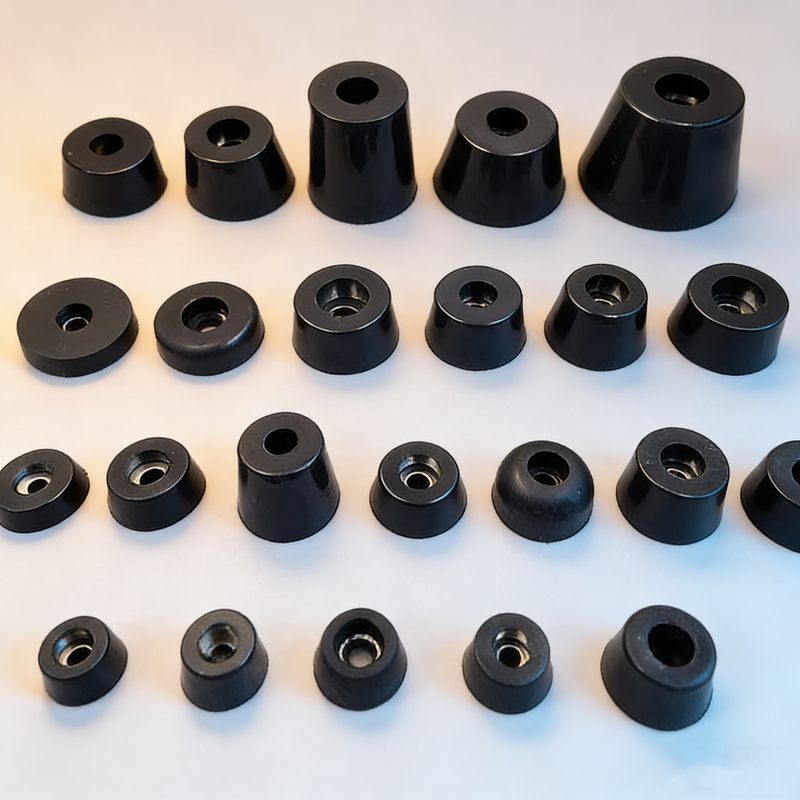
The paragraph that begins and ends with a paragraph that will keep the customer from reading further. Navigating the world of rubber parts1 involves more than just picking a specification. It's about ensuring compatibility with your machinery’s operating conditions. Skipping this step can lead to costly failures and maintenance down the line.
Don't let "common standards" sacrifice your custom precision: What are the compatibility traps3 in industrial rubber parts1 procurement?
The first paragraph, which uses the PAS strategy to grab the reader's attention (max 30 words). Many buyers overlook critical performance factors4 in favor of standardized dimensions. This can lead to serious issues down the line. Let's explore these pitfalls in detail.
The second paragraph, which answers the question posed by the headline, is the paragraph that will be used later to compete for Google's Featured Snippets. (max 50 words)
The compatibility trap lies in assuming that standard dimensions5 guarantee performance. Often, suppliers use cheap materials for standard parts. These can fail quickly in demanding environments, leading to downtime and expensive repairs that far outweigh initial savings.
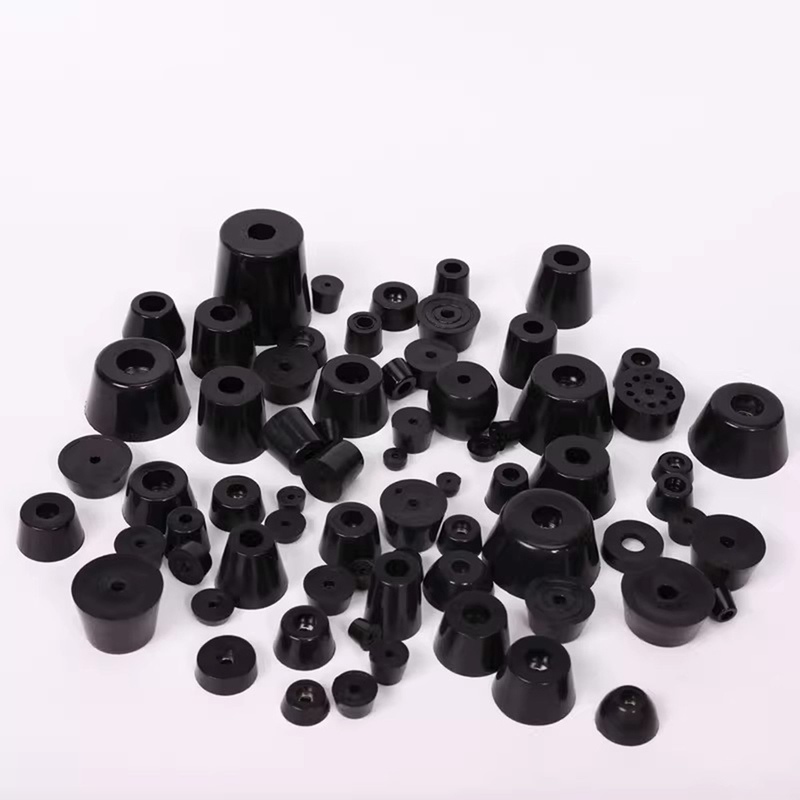
Based on the secondary headings, continue to extend and go deeper, can use critical thinking, to break down the question, to help the reader understand more deeply. When we think about industrial rubber parts1, it’s easy to focus solely on the physical specifications: dimensions, weights, and shapes. However, the material composition6 is equally critical. Standard rubber parts1 are often made from generic compounds that do not stand up against the challenges of specific operational environments. For instance, if your equipment operates with exposure to oils, ozone, or temperature fluctuations, a standard rubber part can become a weak link.
Consider a typical procurement scenario: you order rubber seals based on their standard tolerances, expecting them to fit perfectly. But after only a few months of use, these seals fail. What went wrong? Many suppliers focus on physical dimensions while ignoring the chemical properties7 that make rubber effective in its intended application.
Table of Standard vs. Custom Rubber Parts
| Aspect | Standard Rubber Parts | Custom Rubber Parts |
|---|---|---|
| Material Variety | Limited to generic options | Tailored to specific needs |
| Performance | Basic compatibility | Optimized for unique conditions |
| Cost | Generally lower | May vary, but offers value |
| Lifespan | Shorter due to material | Extended with proper formulation |
| Customization | Minimal or none | High, based on requirements |
Understanding these differences is key to making informed decisions. You cannot merely choose based on price; you need to consider the environment in which the rubber parts1 will operate.
How do we resolve the conflict between “standard and custom”?
I adhere to a guiding principle: there are no absolute standards, only absolute working conditions. Last year, a partner focusing on industrial pumps8 approached me with an issue: their standard O-rings were failing in a specific coolant. Instead of suggesting they switch to an expensive fluorocarbon rubber, we evaluated the coolant’s pH fluctuations.
Our technical team proposed adding an acid-base resistant agent to their existing custom formulation. This solution improved the part's durability without completely changing the material. Using precision molding techniques9, we kept the standard dimensions5 while enhancing the parts' resistance to the coolant. The result? The lifespan of these components increased fourfold, with only a slight increase in costs.
Your industrial project deserves professional elastic guarantees
You need more than just a factory that constructs to specs; you need a technical partner that understands risks and optimizes costs. If you face frequent rubber part failures or long custom development cycles, reach out to us. Our dedicated engineering team can provide comprehensive support, from material formulation to precision mold manufacturing.
Contact us and let’s use our professional rubber technology to give your industrial equipment sustainable performance10.
Explore the advantages of rubber parts to enhance your machinery's performance and longevity. ↩
Discover how custom parts can be tailored to meet specific operational needs, ensuring better performance. ↩
Identify common compatibility traps that can lead to costly failures in industrial applications. ↩
Explore critical performance factors that can impact the longevity and efficiency of rubber components. ↩
Learn about the potential pitfalls of standard dimensions and how they can affect machinery reliability. ↩
Understand the significance of material composition in ensuring the durability and effectiveness of rubber parts. ↩
Delve into how chemical properties influence the effectiveness of rubber parts in various environments. ↩
Discover the specific challenges industrial pumps face and how to address them with the right rubber parts. ↩
Learn about precision molding techniques that enhance the quality and performance of rubber parts. ↩
Find out how advanced rubber technology can lead to more sustainable and efficient industrial operations. ↩