

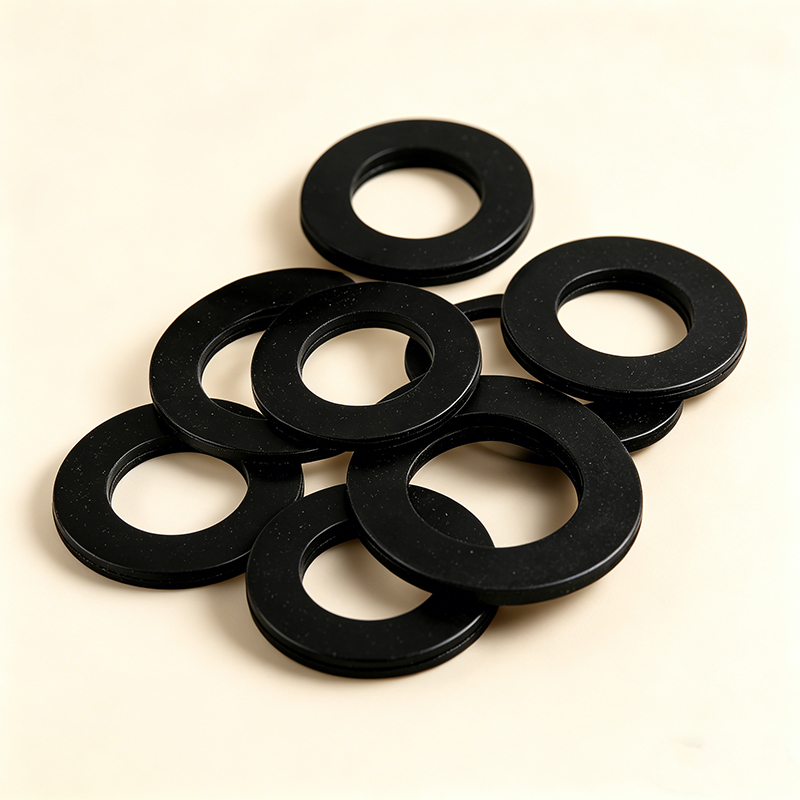
Choosing the wrong rubber pads1 for your industrial machinery can lead to excessive vibration, accelerated wear, and costly equipment damage.
The right rubber pads1 provide essential vibration dampening2, protect machinery components, and ensure stable operation across diverse industrial environments. Material selection and proper sizing directly impact equipment performance, maintenance costs, and operational reliability.
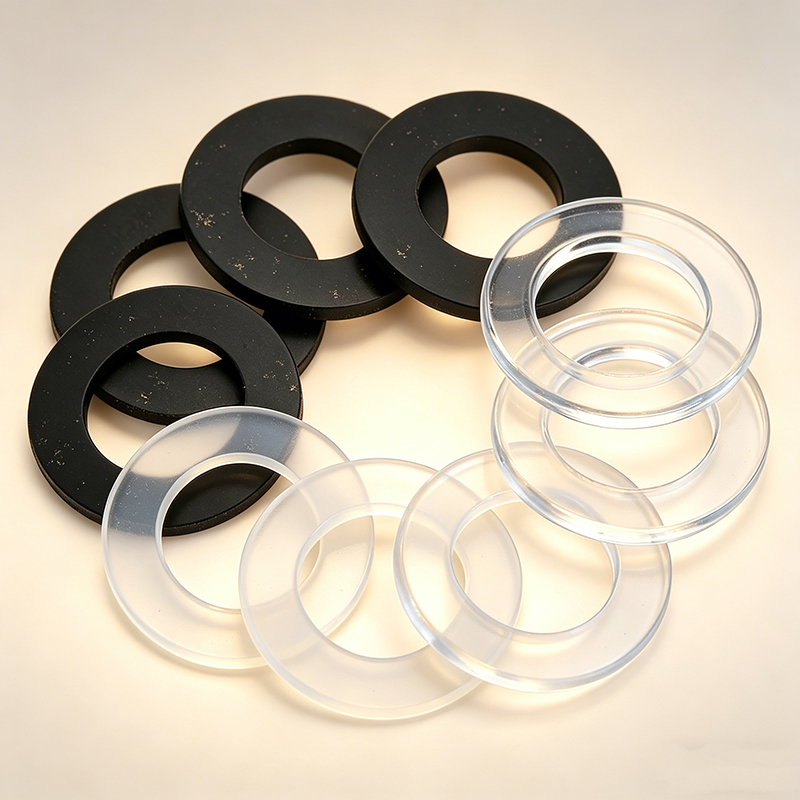
I have seen too many projects suffer from poor rubber pad selection. Equipment owners often focus on initial cost rather than long-term performance. This approach creates problems that could have been avoided with proper material choice and engineering support3.
What Makes Industrial Rubber Pads Essential for Equipment Performance?
Industrial machinery generates significant vibration during operation. Without proper isolation, this energy transfers directly to surrounding structures and components.
Rubber pads absorb vibration energy, reduce noise transmission, and protect sensitive equipment from mechanical stress. They also prevent metal-to-metal contact that causes premature wear and equipment failure.
Understanding Vibration Control Requirements
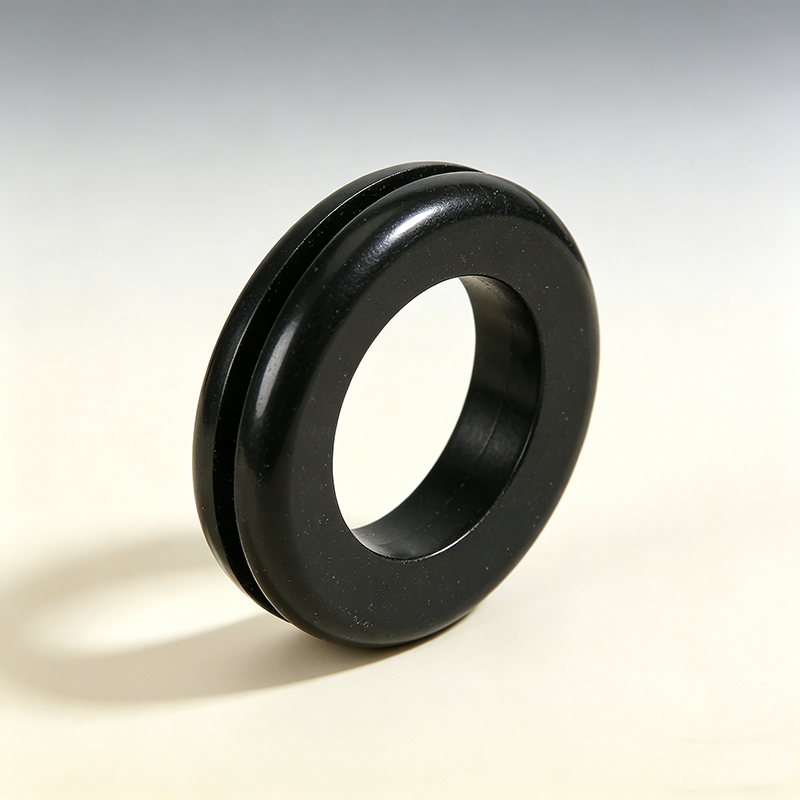
Different machines create different vibration patterns4. Heavy compressors generate low-frequency vibrations that require thick, soft rubber compounds. High-speed motors produce higher frequencies that need firmer materials with specific damping properties.
I recently worked with a manufacturing plant that installed new CNC machines5. Their initial rubber pad selection caused excessive movement during precision operations. We replaced them with custom-engineered pads that matched the specific frequency range of their equipment. The result was improved machining accuracy and reduced tool wear.
The key factors for effective vibration control include:
| Factor | Impact | Solution |
|---|---|---|
| Load capacity | Prevents pad compression failure | Match pad durometer to equipment weight |
| Frequency response | Controls specific vibration ranges | Select material with appropriate damping |
| Environmental resistance | Maintains performance over time | Choose compounds resistant to oils, heat, chemicals |
| Installation method | Ensures proper load distribution | Design pads for specific mounting configurations |
Material selection becomes critical when equipment operates in harsh conditions. Standard rubber compounds may degrade quickly when exposed to hydraulic fluids, high temperatures, or chemical vapors. We often specify EPDM for outdoor applications, NBR for oil resistance, and silicone for extreme temperature ranges6.
How Do You Choose the Right Material for Harsh Industrial Conditions?
Industrial environments present multiple challenges for rubber pad performance. Temperature extremes, chemical exposure, and mechanical stress all affect material longevity.
Material selection depends on operating temperature, chemical compatibility7, load requirements, and expected service life. EPDM offers weather resistance, NBR provides oil resistance, and silicone handles extreme temperatures.
Temperature Considerations for Material Selection
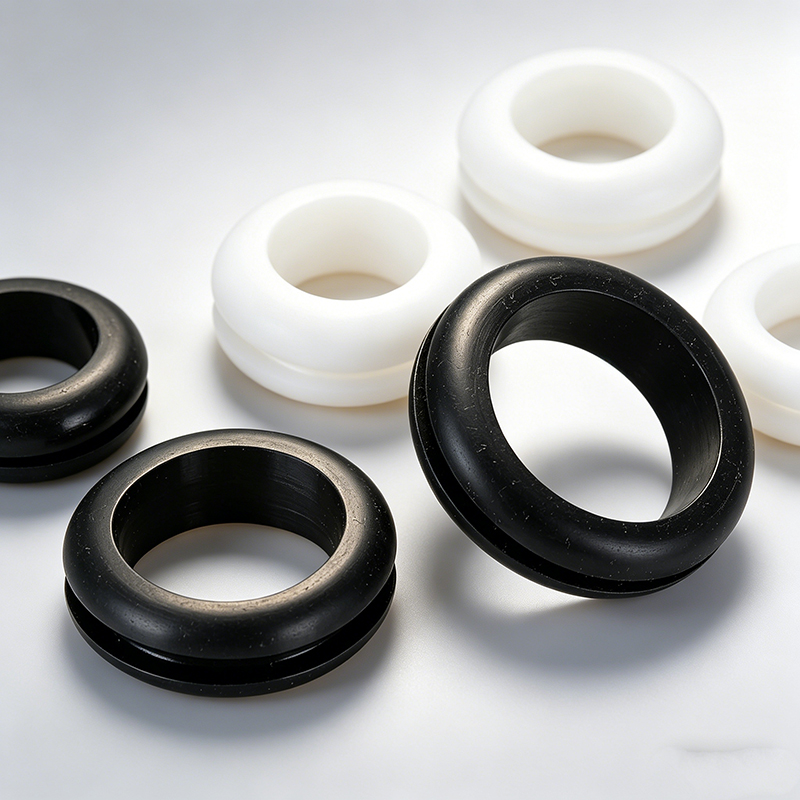
Temperature affects rubber properties more than any other factor. Standard rubber compounds become brittle at low temperatures and soften excessively when hot. This changes their vibration dampening2 characteristics and load-bearing capacity.
I helped solve a problem for a steel processing facility where rubber pads1 were failing near furnace equipment. The standard NBR pads were degrading within weeks due to radiant heat exposure. We switched to high-temperature silicone compounds that maintained their properties at elevated temperatures.
Here are the temperature ranges6 for common industrial rubber materials:
| Material | Temperature Range | Best Applications |
|---|---|---|
| EPDM | -40°C to +120°C | Outdoor equipment, general industrial |
| NBR | -30°C to +100°C | Oil-exposed machinery, hydraulic equipment |
| Silicone | -60°C to +200°C | High-temperature applications, food processing |
| Natural Rubber | -50°C to +80°C | Indoor equipment, cost-sensitive applications |
| Neoprene | -40°C to +100°C | Chemical resistance, marine applications |
Chemical compatibility requires careful evaluation of all substances the pads might contact. This includes cleaning solvents, process chemicals, lubricants, and environmental contaminants. A chemical compatibility7 chart helps identify potential problems before installation.
Load calculations ensure pads can support equipment weight without excessive compression. Over-compressed pads lose their vibration dampening2 ability. Under-loaded pads may not provide adequate isolation. We typically design for 10-25% compression under full load.
What Are the Most Common Installation Mistakes That Lead to Premature Failure?
Proper installation determines whether rubber pads1 perform as designed. Many failures result from installation errors8 rather than material problems.
Common mistakes include uneven load distribution, inadequate surface preparation9, incorrect pad sizing, and failure to account for thermal expansion10. Proper installation requires level mounting surfaces and appropriate fastening methods.
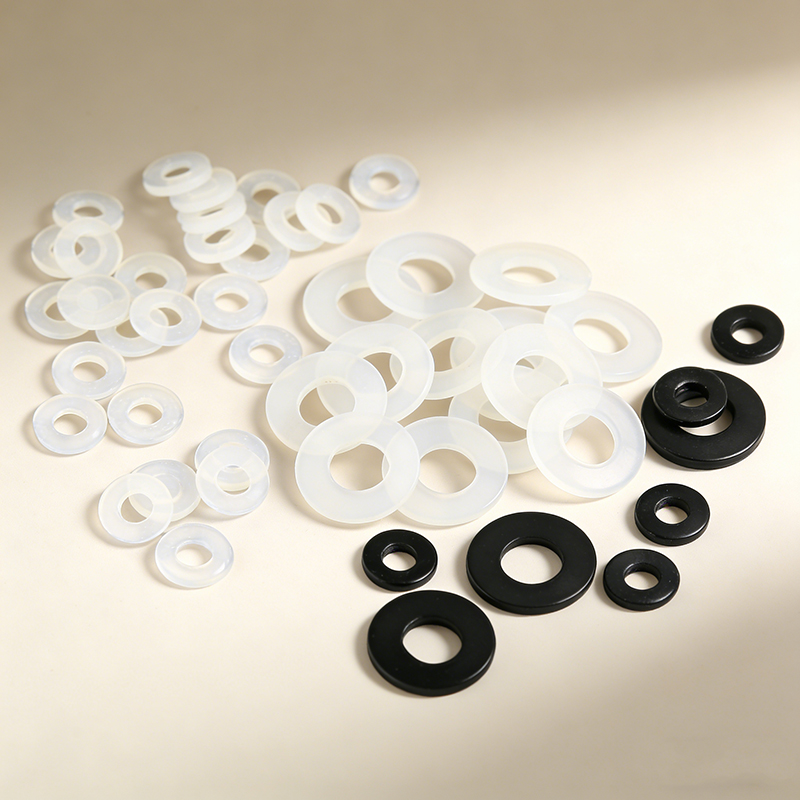
Surface Preparation and Load Distribution
Uneven surfaces create stress concentrations that cause premature pad failure. I have seen expensive equipment damaged because mounting surfaces were not properly prepared. Rough or angled surfaces concentrate loads on small contact areas, leading to pad tearing or equipment misalignment.
One memorable case involved a large air compressor that developed severe vibration problems six months after installation. Investigation revealed that the concrete pad was not level, causing three of the four isolation pads to carry most of the load. We corrected the mounting surface and replaced all pads, which solved the vibration issue completely.
Surface preparation requirements include:
| Requirement | Purpose | Method |
|---|---|---|
| Flatness | Even load distribution | Machine or grind mounting surfaces |
| Cleanliness | Proper pad adhesion | Remove oil, dirt, and loose material |
| Roughness | Prevent pad slipping | Light sandblasting or grinding |
| Level | Balanced loading | Use precision leveling equipment |
Fastening methods affect pad performance significantly. Some applications require pads to be bonded to mounting surfaces, while others work better with mechanical fasteners. The choice depends on load direction, vibration amplitude, and maintenance requirements.
Thermal expansion considerations become important for large equipment or high-temperature applications11. Rubber pads must accommodate thermal movement without losing contact or creating excessive stress. This may require special mounting designs or expansion joints.
How Do Custom Rubber Pads Solve Unique Industrial Challenges?
Standard rubber pads1 work for many applications, but complex equipment often requires custom solutions. Unique mounting configurations, special materials, or specific performance requirements may demand engineered approaches.
Custom rubber pads1 address specific dimensional requirements, unusual load patterns, special material needs, and complex mounting situations. They optimize performance for individual applications while maintaining cost-effectiveness.
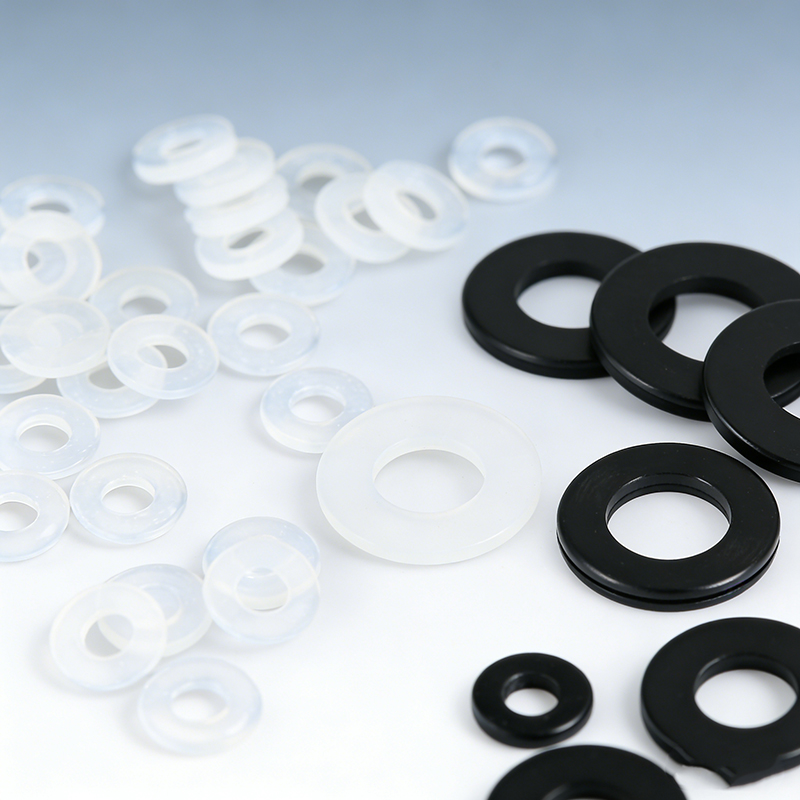
Engineering Custom Solutions for Complex Requirements
Complex machinery often has unusual mounting requirements that standard pads cannot address. Multi-directional loads, limited space, or integrated fastening systems may require custom pad designs. We work with equipment manufacturers to develop solutions that integrate seamlessly with their designs.
A recent project involved isolation pads for a large printing press with very tight space constraints. The standard approach would have required significant machine modifications. Instead, we designed low-profile pads with integrated mounting hardware that fit the existing space while providing the required vibration isolation12.
Custom pad development typically involves:
| Development Phase | Activities | Timeline |
|---|---|---|
| Requirements analysis | Load calculations, material selection13 | 1-2 weeks |
| Design engineering | CAD modeling, finite element analysis | 2-3 weeks |
| Prototype production | Sample manufacturing, testing | 1-2 weeks |
| Validation testing | Performance verification, adjustments | 1-2 weeks |
| Production tooling | Mold design, manufacturing setup | 3-4 weeks |
Material customization allows optimization for specific operating conditions. We can adjust hardness, add reinforcement, modify chemical resistance, or incorporate special additives. Color coding helps with installation and maintenance identification.
Multi-durometer pads combine different rubber compounds in a single component. This allows soft vibration dampening2 with firm load support, or chemical-resistant surfaces with cost-effective cores. These designs optimize performance while controlling costs.
Conclusion
Selecting appropriate rubber pads1 requires careful consideration of material properties, environmental conditions, and installation requirements for optimal machinery protection and performance.
Explore how rubber pads enhance machinery performance and reduce wear. ↩
Learn about the importance of vibration dampening in preventing equipment damage. ↩
Discover how engineering expertise can enhance rubber pad effectiveness. ↩
Discover how understanding vibration patterns can improve pad selection. ↩
Understand the impact of rubber pads on precision and accuracy in CNC operations. ↩
Discover which rubber materials are suitable for extreme temperature conditions. ↩
Understand the importance of chemical compatibility in industrial applications. ↩
Learn about frequent mistakes that can lead to rubber pad failure. ↩
Learn how proper surface preparation can enhance pad performance. ↩
Understand the importance of accommodating thermal expansion in pad design. ↩
Explore suitable materials for applications exposed to extreme heat. ↩
Learn about the advantages of effective vibration isolation in machinery. ↩
Understand the critical aspects of choosing the right materials for durability. ↩