

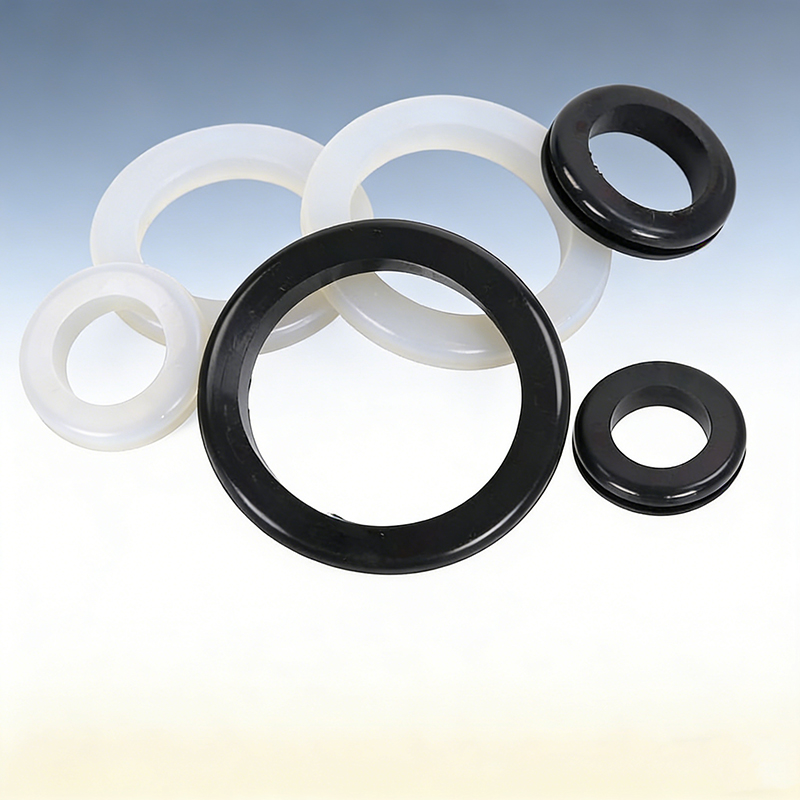
The first paragraph captures attention: O-Rings may seem cheap, but a single failure can lead to significant costs. Don't let that 1% of the O-Ring cost ruin your 100% product delivery.
Rubber O-Rings1 are critical components in many applications. While their purchase price is low, the cost of failure can be catastrophic. Understanding the factors that affect their performance is key to ensuring they meet your needs.
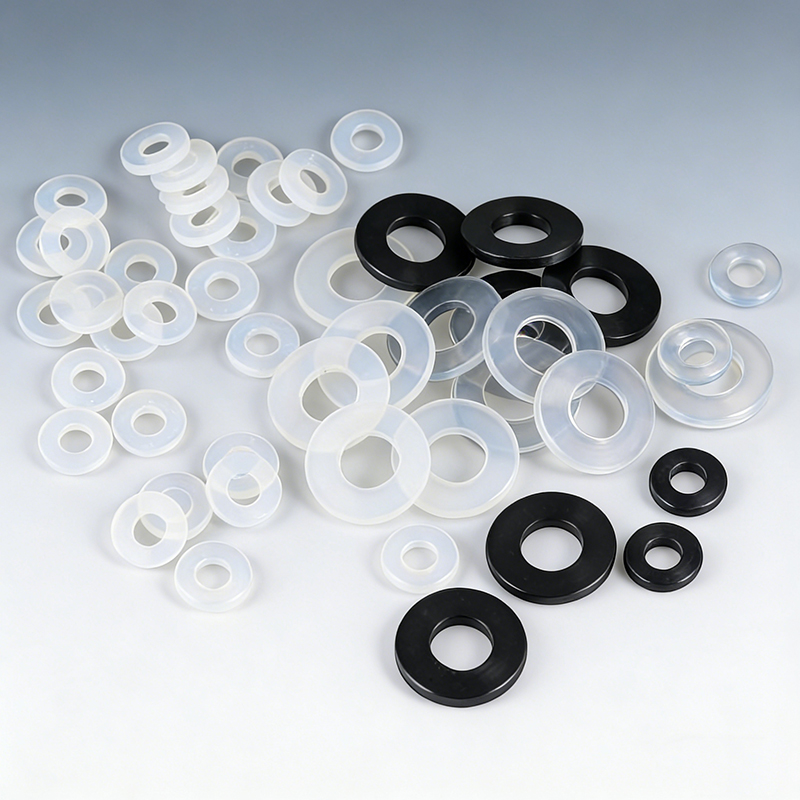
Sometimes, the difference between success and failure lies in the details. Often, data from lab tests shows perfect performance, but once installed, leaks appear within months.
What's the Trap with Compression Set?
The trap is simple: laboratory data vs. real-world performance. Many suppliers cut costs by using low-quality materials or improper curing systems. Although these O-Rings pass static tests, they cannot withstand real-world conditions. Temperature fluctuations or prolonged pressure can cause them to lose elasticity quickly.
When you disassemble a leaking unit, the O-Ring that was once round becomes a flat, hard strip of plastic. This is a clear sign of excessive compression set2. For you, this means not just replacing parts, but also dealing with a damaged reputation.
How Can You Avoid This Pitfall?
To identify and avoid these "pseudo-compliant" products, here are some strategies to focus on during the selection phase:
-
Reject Generic Compounds: Ask suppliers if they have tailored the formula for your specific working temperature, especially peak temperatures, rather than just using standard stock materials.
-
Request Long-Term Test Reports: A 24-hour compression test is not as reliable as data from tests lasting 72 hours or longer.
-
Pay Attention to Groove Filling Rate: Make sure your design allows enough space for the rubber to expand, preventing it from being excessively compressed and accelerating fatigue.
How We Tackle This Invisible Killer?
As someone deeply involved in manufacturing, I believe that sealing solutions are not just something you "buy," but rather something you "calculate." Recently, a partner working on hydraulic systems approached me because their O-Rings frequently failed under high-pressure pulses. Instead of pushing materials, we simulated their actual pressure load and found that the existing fluorocarbon (FKM) formula had weaknesses in tear resistance.
Our technical team adjusted the crosslink density of the rubber to create a custom compound3 with high resilience and low compression set2. While the price per O-Ring increased slightly, it spared them from the nightmare of frequent international maintenance trips every three months.
Professional Engineering Support Makes Sealing Easy
You don’t just need a trader selling O-Rings; you need a technical partner4 who understands materials and mechanics and can help solve your problems. If your project is struggling with leakage issues or if you are repeatedly testing seals for a new product, feel free to reach out to us. Our expert team can provide customized material formulation suggestions and technical reviews, ensuring that every O-Ring stands firm in its role.
Leave the specialized work to the professionals, and let your project remain stable and secure.
Conclusion
Rubber O-Rings1 are small but crucial components. Understanding their performance can save you from costly failures.
Explore the advantages of Rubber O-Rings to understand their critical role in ensuring product reliability and performance. ↩
Learn about compression set to grasp its impact on O-Ring longevity and how to avoid costly failures. ↩
Find out how custom compounds can improve O-Ring performance and reduce maintenance costs. ↩
Learn how a technical partner can provide valuable insights and support for your sealing challenges. ↩