

Many people think they know everything about rubber manufacturing. But, there's a hidden detail that can ruin your project—Shore Hardness1 and its adaptability to the environment.
Many engineers and procurement managers focus on dimensional accuracy2 but often overlook the crucial aspect of hardness. Misjudging Shore Hardness1 can lead to severe failures in custom rubber components.
I have talked to many professionals who have faced issues with hardness. They often find that the sample feels perfect in their hands. But once installed in bulk or sealed, problems arise. The rubber might be too hard, causing cracks, or too soft, leading to immediate deformation under pressure. This not only results in wasted materials but also incurs significant costs for repairs.
So, how do these issues occur? The biggest problem lies in the fact that the theoretical hardness on the drawing does not equal the performance of the finished product under specific conditions.
Some suppliers, aiming to cut costs, add excessive fillers to the rubber material. This can lead to a situation where static hardness tests pass, but the material has poor permanent deformation characteristics. When you install these seals or gaskets in extreme temperatures or pressures, the rubber loses its elasticity quickly. Instead of being flexible, it behaves like brittle plastic.
What can you do to avoid falling into this trap?
-
Provide a range of hardness: When discussing your requirements, always give a reasonable hardness range (for example, 60±5 Shore A) and clearly state your application scenarios (Is it for static sealing or dynamic friction? What are the temperature conditions?).
-
Focus on compression set3: Excellent physical performance isn’t just about hardness; it’s about the material's ability to regain its shape after being compressed. Before placing an order, ask suppliers for aging test data on the material under your conditions. This is much more reliable than simply looking at hardness values.
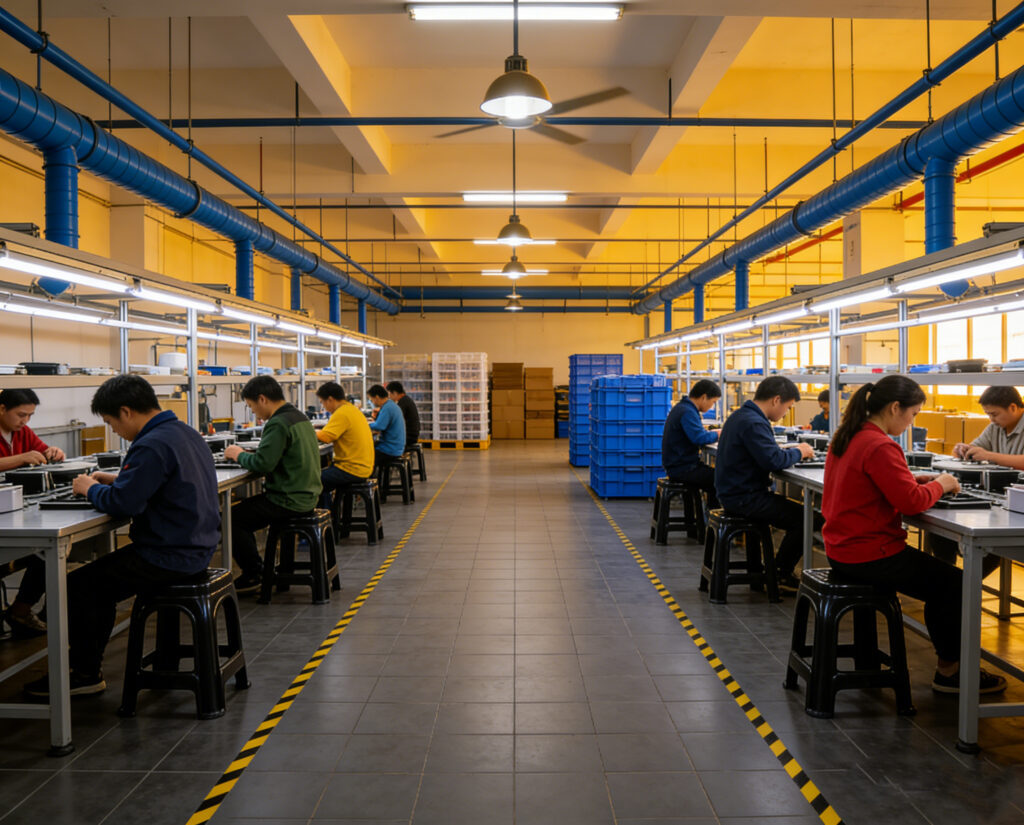
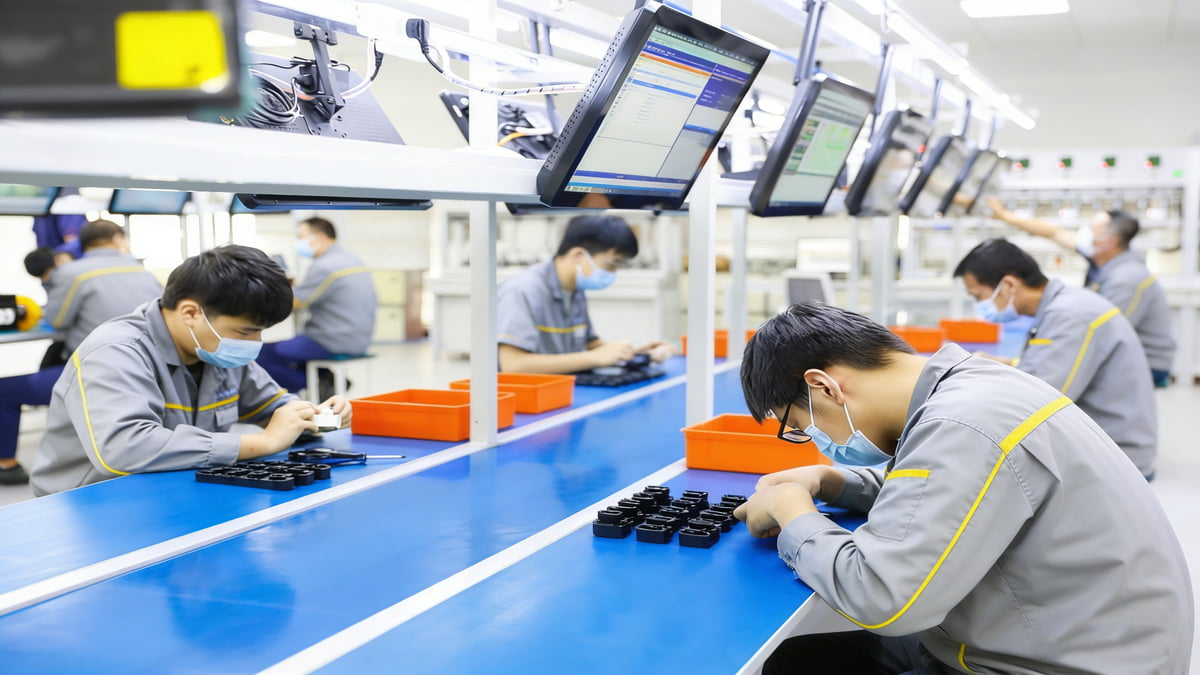
How do we tackle this problem in our factory? In my production line, we control hardness not by feel but through consistent formulas and precise secondary vulcanization processes.
Comprehensive property testing: We not only measure the hardness of finished products but also test the rheological properties4 of each batch of rubber to ensure the cross-linking degree of molecular chains meets design requirements.
Simulating working conditions: For instance, we once worked with a client in outdoor energy storage. Their previous supplier's gaskets hardened in extreme cold, leading to leaks. We stepped in, adjusting the phenyl content in the silicone rubber to lower the brittleness point below -60 °C, completely resolving the hardness increase issue in low-temperature environments.
How to Ensure Your Custom Rubber Parts Are Reliable?
Are you struggling with material selection5, hardness deviations, or lifespan issues?
Many clients come to me with concerns about the reliability of their rubber components. They often don't realize that the journey doesn't stop at choosing the right dimensions. Hardness control is equally crucial and often overlooked.
Here’s how we ensure reliability in our rubber manufacturing:
-
Material selection: We offer a range of materials, including silicone, EPDM, and NBR, each with different hardness and environmental adaptability6.
-
Custom specifications: We work closely with clients to tailor the rubber components to their exact requirements. This includes not just size and hardness but also properties like chemical resistance and thermal stability7.
-
Rigorous testing: Before we proceed to mass production, we rigorously test our materials under expected working conditions. This includes stress tests and environmental simulations.
-
Feedback loop: We believe in continuous improvement. After our products are deployed, we maintain communication with our clients to gather feedback and make necessary adjustments in future orders.
-
Expertise and experience: With over 27 years in the industry, our team is equipped with the knowledge to address common pitfalls in rubber manufacturing. We understand the importance of creating products that not only meet the specifications but also perform reliably over time.
In conclusion, rubber components, though small, are the safety line for the entire system's operation. If you're troubled by material selection5, hardness deviations, or unfulfilled life expectations, you don’t need to navigate this on your own.
Our engineering team is ready to provide you with professional technical support. Feel free to reach out to discuss your project challenges, and let us use our hands-on factory experience to create truly stable and reliable technical solutions for you.
Understanding Shore Hardness is crucial for ensuring the right rubber properties for your project. ↩
Dimensional accuracy ensures that rubber components fit perfectly, preventing costly failures. ↩
Learn about compression set to ensure your rubber components maintain their shape under pressure. ↩
Rheological properties are key to understanding how rubber behaves under stress and temperature. ↩
Proper material selection is vital for achieving the desired performance and durability in rubber parts. ↩
Explore how environmental adaptability can enhance the longevity and reliability of rubber components. ↩
Thermal stability is essential for ensuring rubber components perform well in varying temperatures. ↩