

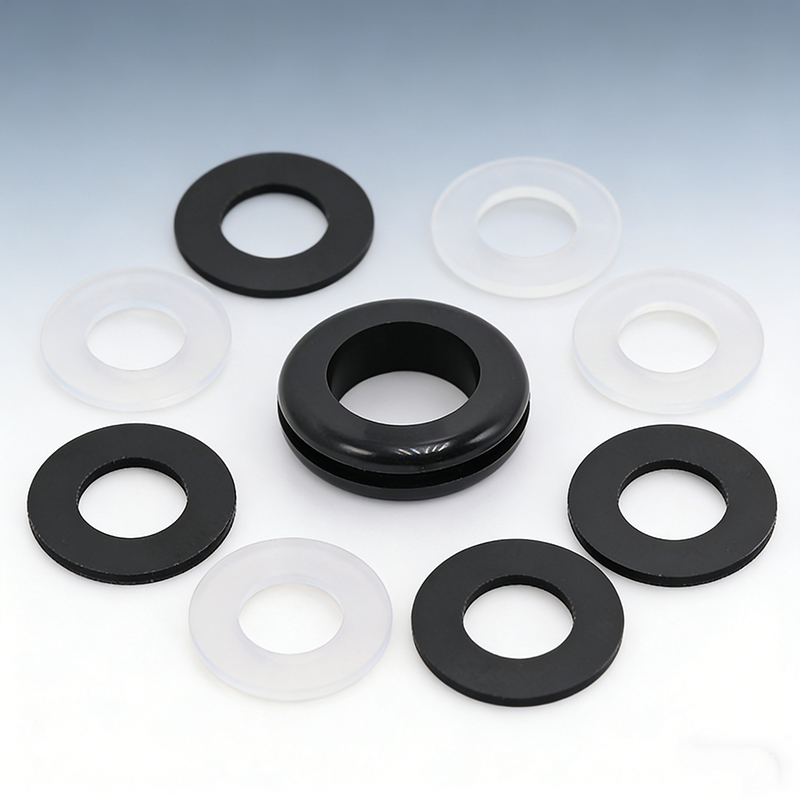
In the world of industrial assembly and chassis design, rubber grommet1s often seem like simple, standard parts. However, as someone who has spent years overseeing production and dealing with countless engineering drawings, I must warn you: this seemingly insignificant little circle can become a ticking time bomb if chosen incorrectly.
Choosing the right rubber grommet1 is crucial. A poor selection can lead to significant losses, potentially exceeding the value of the entire equipment.
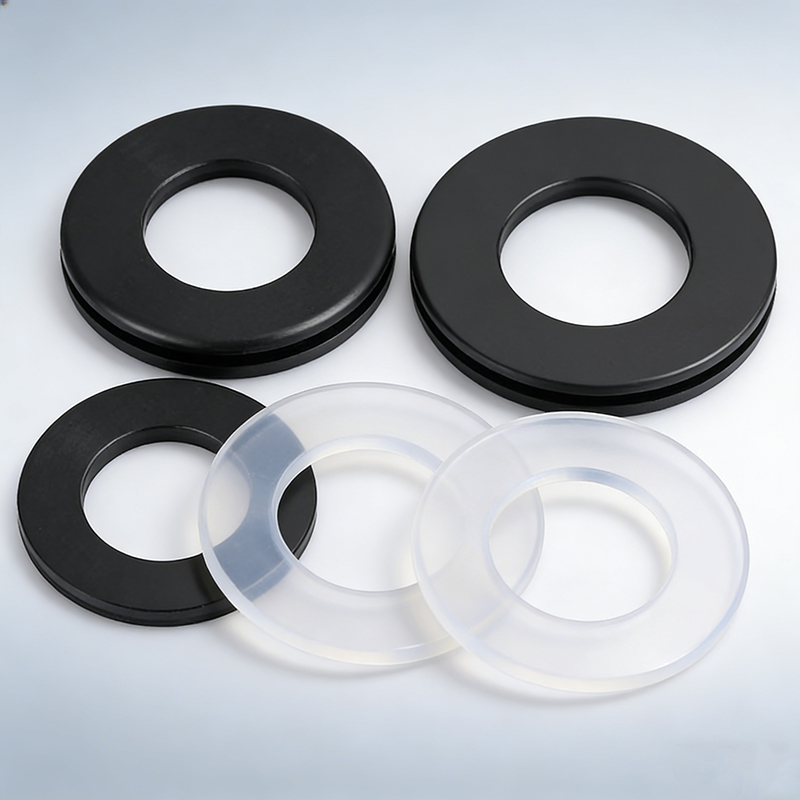
In many cases, a batch of grommets may feel soft and elastic when you first receive them. They fit snugly into metal holes, giving you a false sense of security. The pitfall arises when non-professional suppliers mix recycled rubber powder or cheap oils into SBR or EPDM rubber to cut costs. These materials may look fine when static, but once your equipment starts running—accompanied by slight vibrations, heat from motors, or even outdoor ozone exposure—these rubber molecular chains can break down rapidly.
The outcome? Six months later, grommets begin to crack and fall off at the edges of metal holes. This loss of protection leads to wiring harnesses rubbing against sharp metal edges, eventually causing short circuits, fires, or system failures. The repair costs and damage to brand reputation resulting from these few cents' worth of components are far from worth any potential savings on procurement.
How Can You Avoid This Pitfall?
To ensure your wire protection solution is foolproof, I recommend setting the following expectations with your suppliers during the sampling stage:
-
Conduct a 72-Hour Ozone Aging Test: True EPDM material will not develop micro-cracks under ozone exposure when stretched. This test is a litmus test distinguishing "virgin material" from "recycled material."
-
Verify Tear Strength: High-quality grommets should not tear or develop cut edges when passing through narrow metal holes, even from light scratches or excessive stretching.
How Do We Fill This Pitfall?
I always adhere to one principle: I would rather invest in formulation costs than compromise on safety risks.
Last year, a partner in automated control cabinets approached me. Their equipment, after being exported to the Middle East, experienced widespread grommet failures2 due to high temperatures and sandstorms. Our technical team intervened, abandoning the common formulations on the market and specifically developing a high-saturation, UV-resistant pure EPDM compound for them.
We even fine-tuned the mold's R-angle design to ensure stress distribution is more even when rubber wraps around metal edges. After simulating five years of outdoor aging tests, our grommets maintained over 90% elasticity. In the end, we not only resolved their complaints but also optimized their assembly efficiency.
Your Precision Engineering Deserves a Professional Barrier
You demand ultimate stability, and our job is to ensure that every small component matches your brand's standards.
If you are facing challenges with grommet cracking, mismatched specifications, or poor weather resistance, please feel free to contact us. Our professional engineering team will work directly with your drawings, offering one-stop technical support from material modification3 to structural optimization, ensuring every wire pass is safe and secure.
Contact us, and let our expertise in sealing and protective technology safeguard your project.
Explore this link to learn essential tips for choosing the right rubber grommets to avoid costly failures. ↩
This resource will help you identify common causes of grommet failures and how to prevent them. ↩
Explore the types of technical support available for material modification to enhance your engineering projects. ↩