

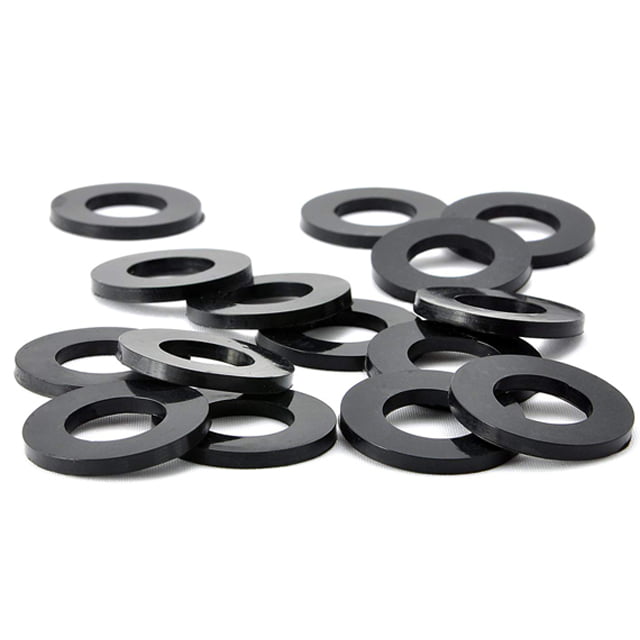
The first paragraph: Choosing the right rubber gasket1 can be tricky. Many people focus only on names and sizes, leading to sealing failures and leaks down the road.
Rubber gaskets come in various types, each suited for specific applications. Understanding the material types2 and their compatibility with the operating environment3 is crucial for successful use.
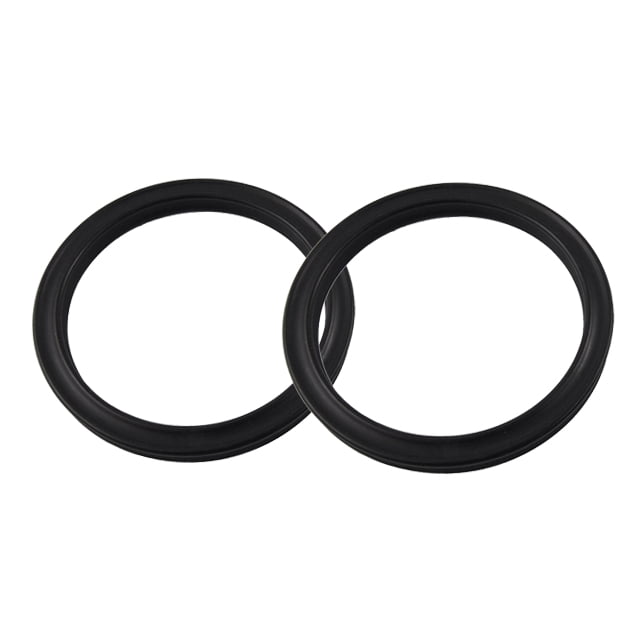
Transition Paragraph: Selecting rubber gasket1s is not as simple as it seems. Many factors influence gasket performance4. If you skip over these details, you risk facing issues later. Let’s dig deeper into the different types of rubber gasket1s.
What are the main types of rubber gasket1s?
The first paragraph: Understanding the types of rubber gasket1s is essential. It can save you from costly mistakes. Each type has unique characteristics that fit different environments.
There are several common rubber gasket1 types to consider: EPDM5, NBR6, Silicone7, and Neoprene8. Choosing the right one is vital to avoid leaks and failures.
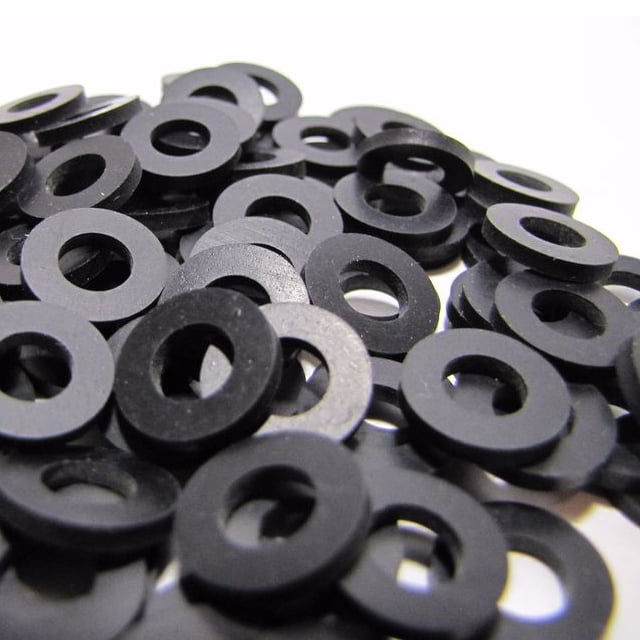
Dive deeper Paragraph: Here’s a quick overview of the main types of rubber gasket1s and their applications:
| Type | Key Features | Ideal Use Cases |
|---|---|---|
| EPDM5 | Excellent aging and heat resistance | Outdoor and water systems |
| NBR6 | Oil and fuel resistant | Hydraulic systems and machinery |
| Silicone7 | High-temperature, soft, good rebound | Food, medical, and high-temperature use |
| Neoprene8 | Balanced performance, oil and weather resistant | General use across various industries |
EPDM5 is great for outdoor settings due to its resistance to weathering. NBR6 is often found in hydraulic applications because of its oil resistance. Silicone7 is preferred in food and medical applications due to its non-toxic properties. Neoprene8 offers a balance, making it versatile for many industries. However, the choice should always align with the specific requirements of the environment where the gasket will be used.
Why understanding material matching9 is critical?
The first paragraph: Many people overlook the significance of material matching9 with the application environment. This mistake can lead to serious issues down the line.
Matching the gasket material to the application environment is vital. Even the same material can behave differently based on its formulation and the conditions it faces.
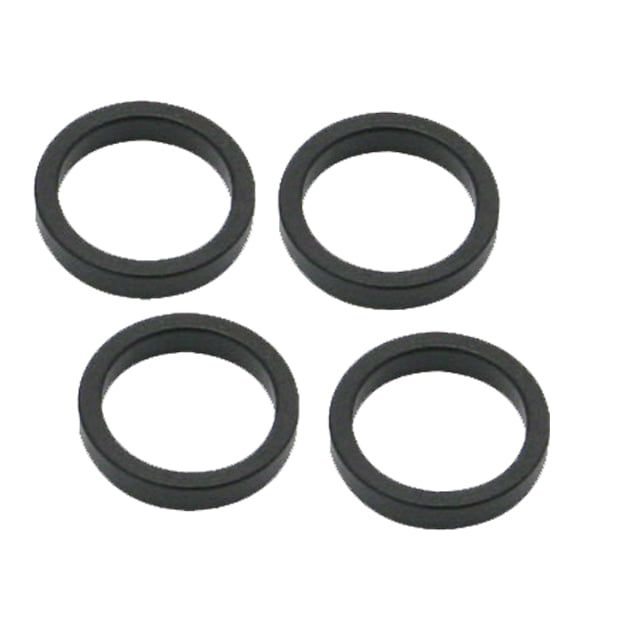
Dive deeper Paragraph: In my experience, the biggest pitfall is not understanding how material types2 match the application environment. For instance, using standard rubber in high-temperature settings can lead to expansion and deformation. Similarly, materials like NBR6 can degrade quickly when exposed to certain oils if not properly formulated.
I once handled a hydraulic equipment project where NBR6 gaskets were selected. The dimensions were perfect, and installation went smoothly. However, leaks appeared within months due to gasket hardening. The problem stemmed from using a high-hardness NBR6 formula that couldn’t rebound under pressure variations.
To fix it, I chose a more suitable NBR6 formulation that could handle pressure fluctuations and oil compatibility while keeping the original dimensions. The sealing stability improved, and the issue was resolved.
How to avoid common pitfalls10?
The first paragraph: Avoiding common pitfalls10 is crucial when selecting rubber gasket1s. Being aware of the right steps can save you from future headaches.
To avoid issues, always confirm the operating environment3 first. Knowing the temperature range, pressure, and chemical media is crucial before selecting a gasket.
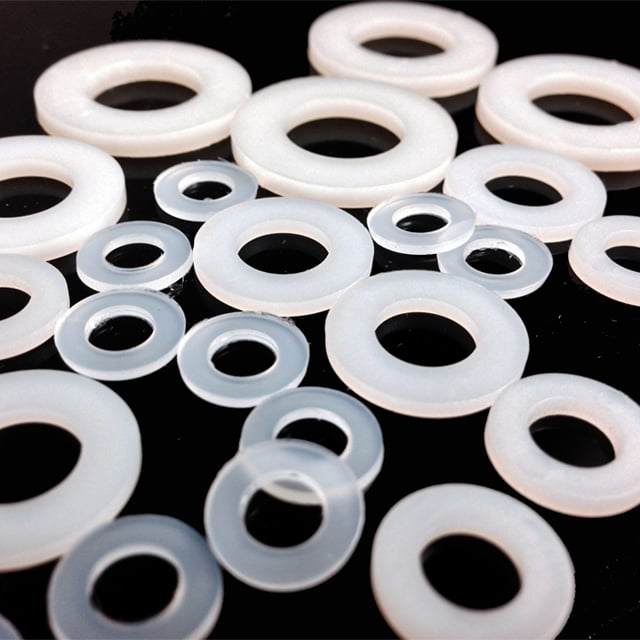
Dive deeper Paragraph: Here are key tips to avoid pitfalls when selecting rubber gasket1s:
- Confirm the operating environment3: Understand the temperature, pressure, and chemical media involved.
- Material performance: Check the rebound, oil resistance, high-temperature tolerance, and aging resistance of the material you're considering.
- Thickness and compression ratio: Ensure the gasket is not too thin, which could lead to insufficient sealing, or too thick, which could complicate installation and cause uneven stress.
It's not enough to just select by material name and size. The correct approach is to recommend materials based on the working conditions. Providing references for hardness, rebound, and chemical resistance is crucial. Offering samples for verification and adjusting thickness can ensure long-term sealing performance.
Conclusion
In summary, the key to effective rubber gasket1 selection is understanding the material types2, their properties, and how they fit the specific applications. Addressing these factors can prevent sealing failures.
Explore this link to gain comprehensive insights into rubber gaskets and their applications. ↩
This resource will help you understand various material types and their specific uses in gaskets. ↩
This resource explains the significance of the operating environment in gasket performance. ↩
Learn about the key factors that affect the performance and longevity of rubber gaskets. ↩
Learn about EPDM's unique properties and why it's ideal for outdoor and water systems. ↩
Discover the advantages of NBR gaskets in hydraulic systems and machinery. ↩
This link provides insights into silicone's non-toxic properties and its applications. ↩
Explore Neoprene's balanced performance and versatility across various industries. ↩
Understanding material matching can prevent costly mistakes in gasket applications. ↩
This link outlines common mistakes to avoid when selecting rubber gaskets for your projects. ↩