

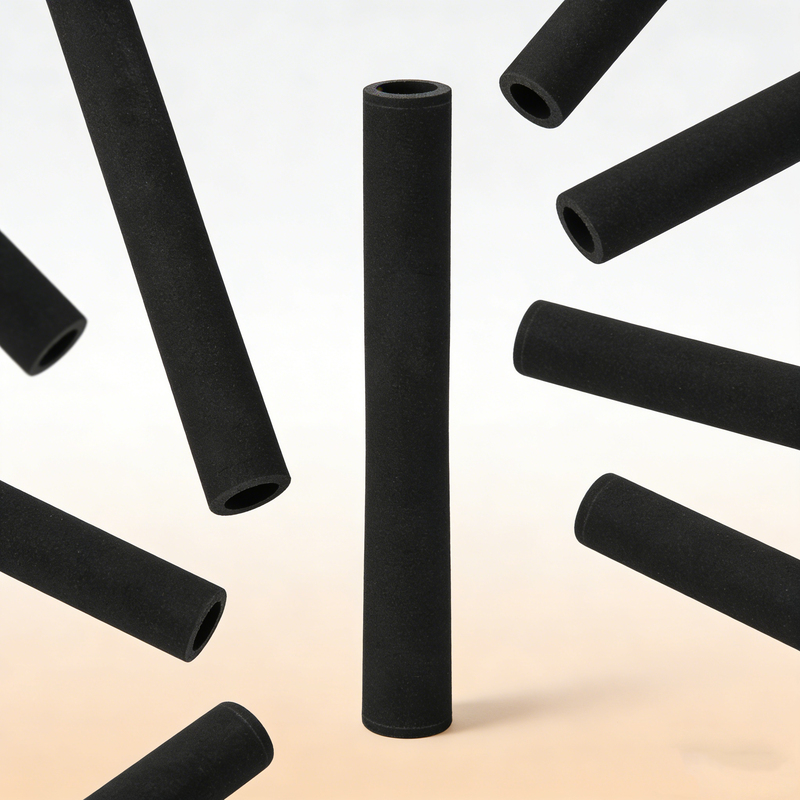
The first paragraph, which uses PAS formula to grab the reader's attention (max 30 words). Have you ever faced issues with rubber gasket strips1? Many experience sealing failures2, often due to overlooked details. Let's discuss how to avoid these costly mistakes.
The right choice of rubber gasket strip is critical to ensure proper sealing. Many focus solely on dimensions, ignoring material properties3 like resilience and adhesion that are equally important.
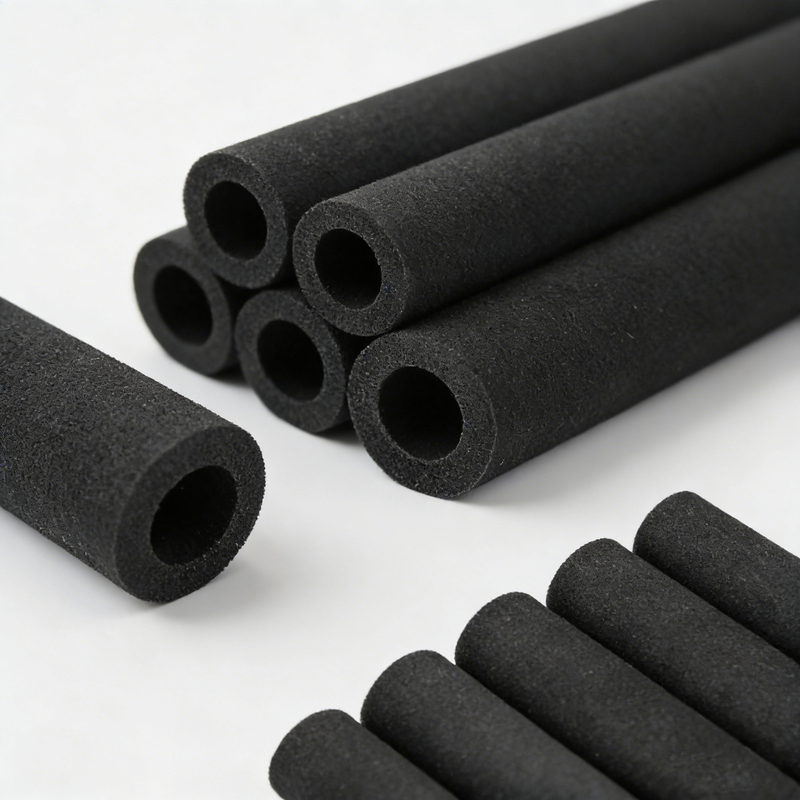
Transition Paragraph: Understanding the importance of material choices can significantly impact your project's success. Let’s explore how making informed decisions will save you time and money in the long run.
What are the common pitfalls in choosing rubber gasket strips1?
The first paragraph, which uses the PAS strategy to grab the reader's attention (max 30 words). Choosing the wrong rubber gasket strip can lead to serious issues. These mistakes often happen when essential factors are ignored. Let's dive into what to look out for.
The biggest pitfall is overlooking the material's elasticity and adhesion. If the gasket does not fit snugly in the groove, it can easily shift, causing air and water leaks.
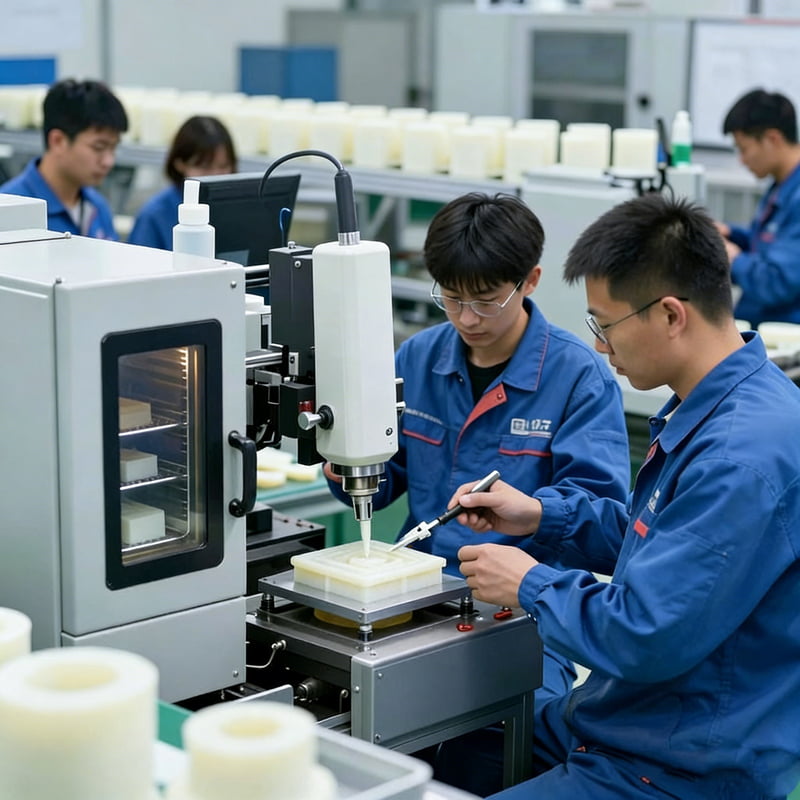
Dive deeper Paragraph: In my years of experience in rubber sealing production, I have witnessed many issues stemming from improperly chosen gasket strips. When selecting a trim gasket or weatherstrip, it’s crucial to consider three main factors:
-
Material Hardness and Adhesion: The hardness of the rubber affects how well it conforms to the groove. If the seal is too soft, it won't stay in place. If it's too hard, it won’t create a proper seal. Adhesion is also key. A gasket that can’t stick or hold in place will eventually lead to leaks.
-
Extrusion Precision and Tolerance Control: Every cross-section of the gasket must be uniform. When the dimensions fluctuate, it creates gaps that can compromise the integrity of the seal. Therefore, ensuring that the length and shape are consistent is vital.
-
Real-world Testing: Before mass production, it's important to conduct assembly tests. By simulating real conditions, you can check for leaks and ensure the gasket performs as expected.
For example, I once worked with an automotive parts manufacturer. Their weatherstrip lifted in high temperatures, causing a poor seal on car doors. By optimizing material formulas, adjusting extrusion processes, and conducting practical assembly tests, we resolved the issue. The result was a durable gasket that maintained its integrity under variable conditions.
By focusing on material stability and secure fitting, you can avoid costly rework and performance issues. This principle guides me in every production and technical support interaction, as I understand it's vital for users.
Conclusion
Taking the right steps in choosing rubber gasket strips1 ensures effectiveness and prevents costly mistakes.
Explore expert insights on choosing the right rubber gasket strips to ensure effective sealing and avoid costly mistakes. ↩
Learn about common causes of sealing failures to prevent issues in your projects and ensure reliability. ↩
Understanding material properties is crucial for optimal gasket performance; this resource will deepen your knowledge. ↩