

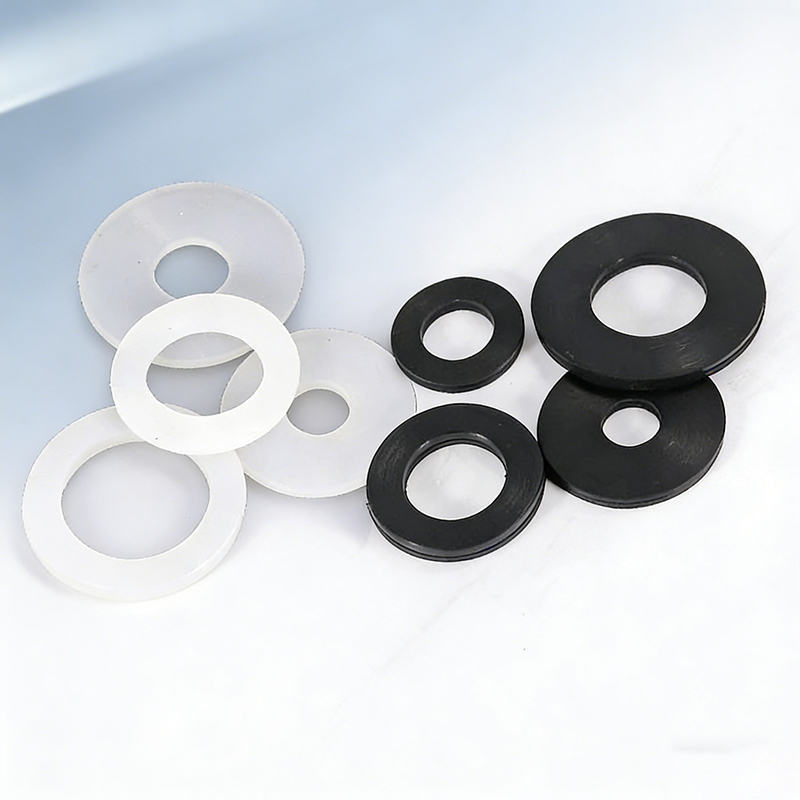
You spend months perfecting your design. You test every component. You're ready to launch. Then your rubber gaskets fail in the first week, shutting down your entire production line.
The right rubber gasket material1 prevents costly failures. Understanding temperature limits2, chemical compatibility3, and pressure requirements4 helps you select materials that protect your equipment and maintain system reliability for years.
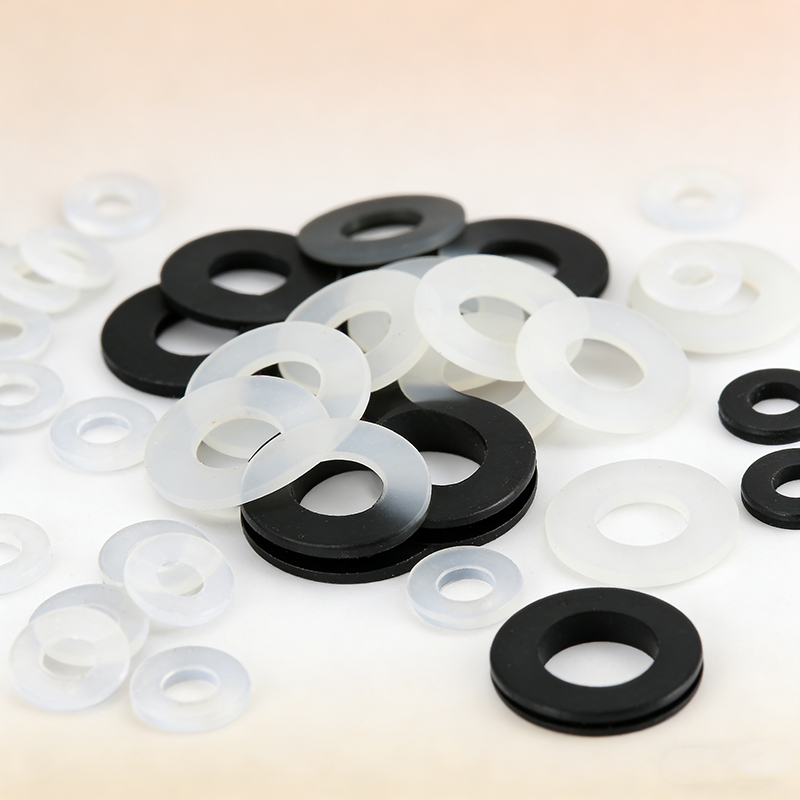
This scenario happens more often than you think. I've seen engineers lose sleep over material failures5 that could have been prevented with proper selection. The difference between project success and disaster often comes down to one simple decision: choosing the right rubber material.
What Happens When You Choose the Wrong Rubber Material?
Your supplier asks one question: "How hard should the gasket be?" You give them a durometer number. They ship standard EPDM gaskets. Everything seems fine.
Wrong material selection leads to gasket failure6, system leaks, production downtime, and expensive emergency repairs. Understanding why materials fail helps you avoid these costly mistakes.
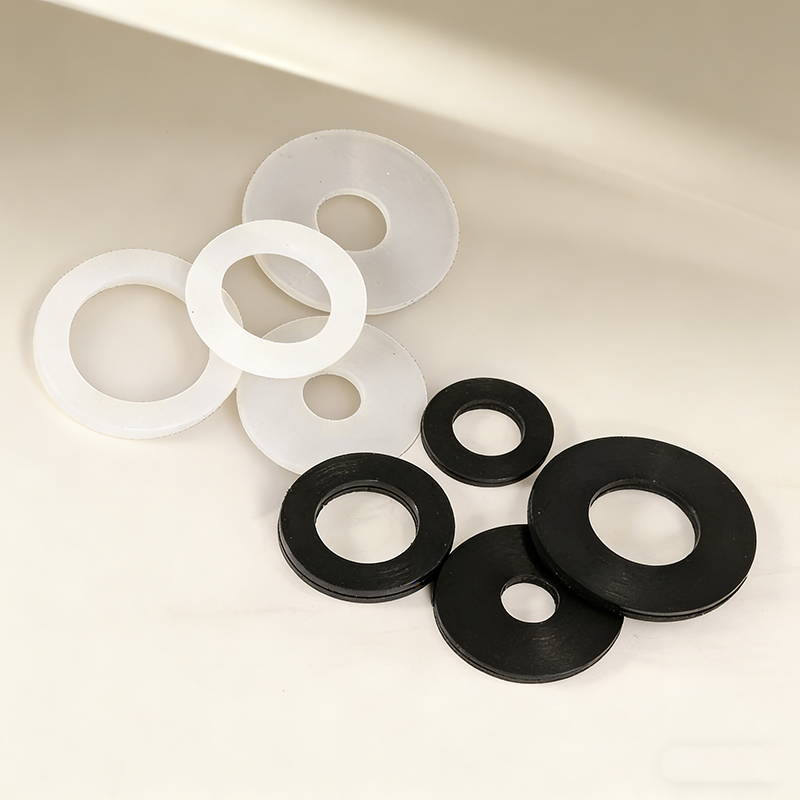
I remember a client who contacted us in panic. His oil pipeline project was using premium EPDM gaskets. They felt perfect. Great rebound. Excellent compression set. But within one week, those gaskets turned into soft, swollen messes. They looked like soaked cookies. The entire production line shut down.
The problem was simple but expensive. EPDM hates oil. It swells and loses all sealing power when exposed to petroleum products. If he had used NBR (nitrile rubber)7 instead, this disaster would never have happened. The material cost difference was less than $50. The downtime cost was over $50,000.
This story illustrates the hidden complexity of rubber materials. Two gaskets can look identical but behave completely differently in your application. Rubber chemistry involves multiple variables that affect performance:
| Material Factor | Impact on Performance | Common Issues |
|---|---|---|
| Base polymer type | Chemical resistance | Wrong polymer dissolves in your fluid |
| Rubber content percentage | Mechanical properties | Low content leads to premature wear |
| Additive package | Temperature stability | Poor additives cause cracking |
| Curing system | Compression set | Wrong cure creates permanent deformation |
The rubber content percentage alone can change everything. A 60% rubber content EPDM behaves very differently from a 90% rubber content version. The higher content material offers better mechanical properties but costs more. Many suppliers use lower content materials to hit price targets. You get what looks like the same material but with significantly reduced performance.
How Do You Identify Your Critical Application Requirements?
Stop thinking about price first. Start with three fundamental questions that determine material success or failure in your application.
Define your contact medium, extreme temperatures, and pressure cycles before selecting materials. These three factors eliminate 90% of potential material failures5 and guide you to the right rubber compound.
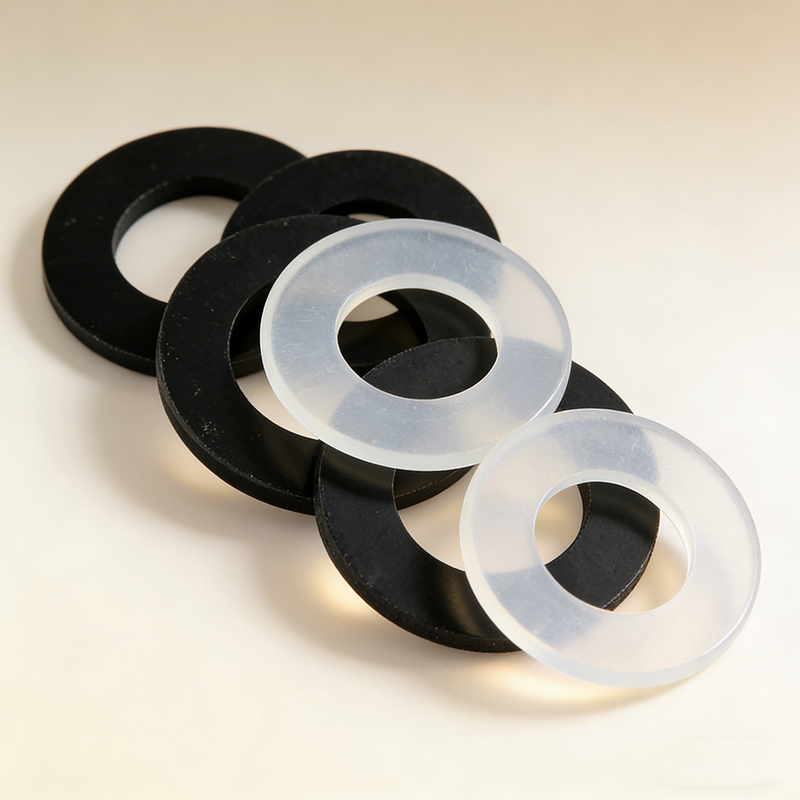
The contact medium question seems obvious but gets overlooked constantly. Water is not just water. Is it distilled water, salt water, or water with cleaning chemicals? Each requires different material considerations. Oil is not just oil. Is it mineral oil, synthetic oil, or hydraulic fluid? The chemical structure determines compatibility.
I've created a simple assessment framework that my engineering team uses for every project. We start with these specific questions:
Medium Contact Analysis:
- What fluids will touch the gasket directly?
- What is the chemical composition of these fluids?
- Will the concentration change over time?
- Are there any cleaning solvents used in maintenance?
Temperature Profile Mapping:
- What is the normal operating temperature range?
- What is the maximum emergency temperature?
- How quickly do temperature changes occur?
- Are there thermal cycling requirements?
Pressure and Mechanical Stress:
- What is the normal operating pressure?
- What pressure spikes can occur?
- Will the gasket see compression cycling?
- Are there any vibration considerations?
This framework reveals the real requirements hidden behind simple specifications. A gasket rated for 200°C continuous use might fail at 150°C if it sees rapid thermal cycling. A material perfect for water might dissolve in the cleaning solvent used during maintenance.
The pressure cycling8 question often gets missed completely. Static sealing is completely different from dynamic sealing. A gasket that works perfectly under constant pressure can fail quickly under pressure cycling8. The material needs different properties to handle fatigue loading.
Which Rubber Materials Work Best for Common Applications?
Each rubber family has specific strengths and weaknesses. Understanding these characteristics helps you match materials to your application requirements9.
EPDM excels in water and steam applications but fails with oils. NBR handles oils well but degrades in ozone. Silicone offers extreme temperature range but has limited chemical resistance.
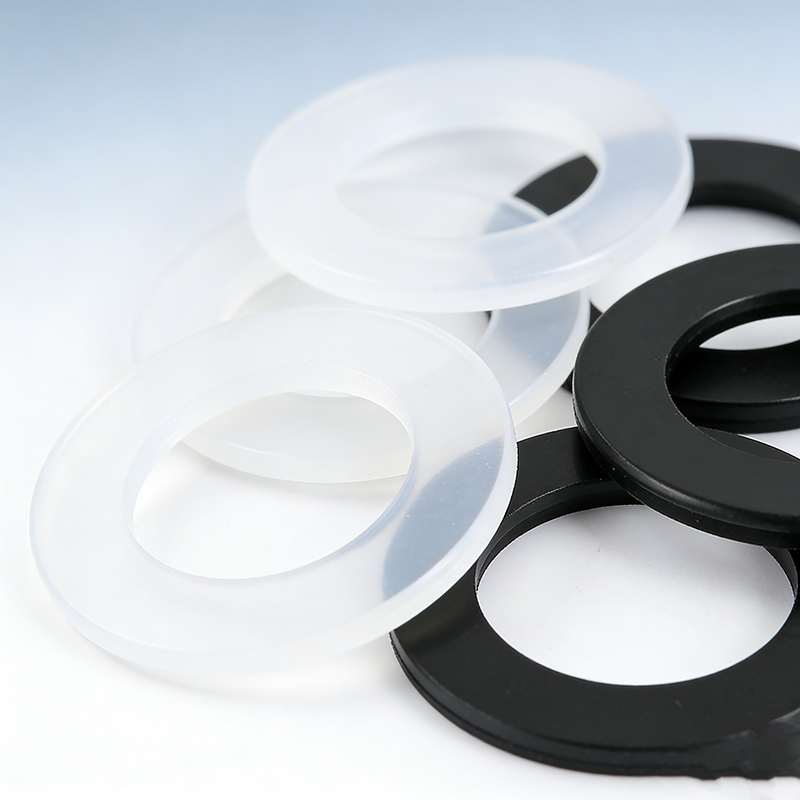
Let me break down the major rubber families and their ideal applications:
EPDM (Ethylene Propylene Diene Monomer)10: EPDM dominates water-based applications. It resists steam, hot water, and most acids and bases. The temperature range extends from -40°C to 150°C continuously. Some special grades handle up to 175°C. The material offers excellent ozone resistance and weather stability.
But EPDM has critical limitations. It swells dramatically in petroleum oils, gasoline, and most organic solvents. This swelling destroys sealing capability completely. Never use EPDM in oil-based systems.
NBR (Nitrile Butadiene Rubber): NBR is the oil industry standard. It resists petroleum oils, hydraulic fluids, and most aliphatic hydrocarbons. The material maintains sealing force in oil environments where EPDM would fail completely. Temperature range spans -30°C to 120°C for most grades.
NBR struggles with ozone exposure and weather resistance. UV light degrades the material quickly. High-temperature applications require special heat-resistant grades. The material also swells in ketones and strong polar solvents.
Silicone: Silicone offers the broadest temperature range of common elastomers. It functions from -60°C to 200°C continuously, with special grades reaching 250°C. The material remains flexible at extreme cold temperatures where other rubbers become brittle.
Chemical resistance is limited but specific. Silicone resists water, alcohols, and dilute acids. It fails quickly in gasoline, oils, and strong solvents. The material also has relatively low tensile strength compared to other rubber types.
FKM (Fluoroelastomer)11: FKM represents premium performance for extreme applications. It resists virtually all chemicals except strong bases and some specific fluorinated solvents. Temperature capability extends to 250°C continuously. The material maintains properties in applications that destroy other rubber types.
The cost is significantly higher than other options. FKM typically costs 10-20 times more than EPDM or NBR. Use it only when other materials cannot meet your requirements.
| Material | Best Applications | Avoid These Conditions | Temperature Range |
|---|---|---|---|
| EPDM | Water, steam, acids, bases | Oils, gasoline, solvents | -40°C to 150°C |
| NBR | Oils, hydraulic fluids, fuels | Ozone, weather exposure | -30°C to 120°C |
| Silicone | Extreme temperatures, food contact | Oils, gasoline, high stress | -60°C to 200°C |
| FKM | Chemicals, high temperature | Strong bases, cost-sensitive | -20°C to 250°C |
How Do We Ensure You Get the Right Material Every Time?
Material selection goes beyond looking up charts. We evaluate your specific application conditions and recommend materials based on real-world performance data.
Our material selection process includes compatibility testing, performance modeling12, and long-term degradation analysis13 to ensure your gaskets maintain sealing integrity throughout their service life.
When you contact us with a project, we don't just check a material chart. We run your requirements through our compatibility database that includes real performance data from thousands of applications. This database tracks how materials actually perform under specific temperature, pressure, and chemical exposure conditions.
Our selection process follows these steps:
Initial Requirements Analysis: We document your exact operating conditions, including all fluids, temperature ranges, pressure cycles, and environmental factors. This analysis often reveals requirements that weren't obvious in the initial specification.
Material Compatibility Screening: We eliminate materials that cannot meet your basic requirements. This screening prevents obvious failures and focuses on viable options.
Performance Modeling: We model material behavior under your specific conditions using our accumulated test data. This modeling predicts long-term performance and identifies potential issues before they occur.
Cost-Performance Optimization: We recommend the most cost-effective material that meets your performance requirements. Sometimes a premium material prevents expensive failures. Other times, a basic material provides adequate performance at lower cost.
Documentation and Traceability: We provide complete material documentation, including property data, test results, and traceability information. This documentation supports your quality requirements and regulatory compliance.
The key difference in our approach is honest assessment of limitations. We tell you when expensive FKM is necessary to prevent system failure. We also tell you when basic EPDM provides adequate performance at much lower cost. Our goal is optimal material selection for your specific application, not pushing expensive materials.
We've prevented countless material failures5 through this systematic approach. One automotive client was specifying FKM gaskets for a coolant application because of temperature requirements. Our analysis showed that high-temperature EPDM would meet the requirements at 30% of the cost. The client saved over $100,000 annually with no performance compromise.
Conclusion
The right rubber material selection prevents costly failures and ensures long-term system reliability through proper application analysis and material matching.
Explore this resource to understand the various rubber gasket materials and their specific applications. ↩
Learn how temperature limits can impact the performance and longevity of rubber gaskets. ↩
Discover why chemical compatibility is crucial for selecting the right rubber gasket material. ↩
Understand how pressure requirements can dictate the choice of rubber materials for gaskets. ↩
Find out the common causes of rubber material failures to avoid costly mistakes in your projects. ↩
Learn about the common reasons for gasket failure to improve your material selection process. ↩
Explore the unique properties of NBR and its suitability for various applications. ↩
Learn about pressure cycling and its impact on the performance of rubber gaskets. ↩
Understand the key application requirements that influence rubber gasket selection. ↩
Learn about the benefits and drawbacks of using EPDM rubber in different environments. ↩
Understand why FKM is considered a premium material and when to use it. ↩
Understand how performance modeling can predict the long-term behavior of rubber gaskets. ↩
Learn about long-term degradation analysis to ensure the durability of rubber gaskets. ↩