

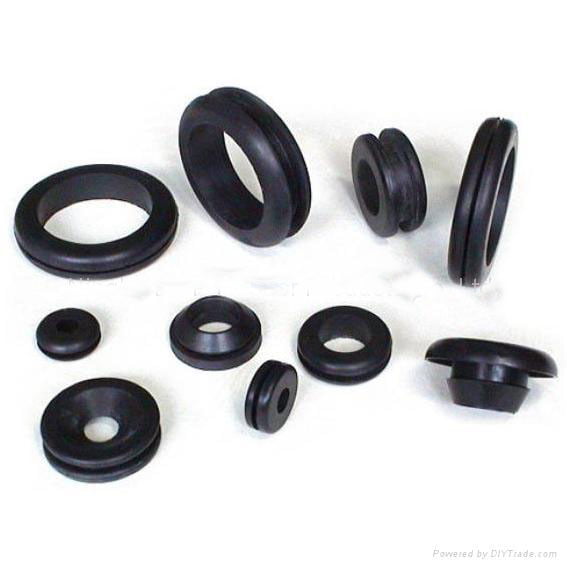
For years, I have worked in the design and supply of rubber gaskets1. I often see a common misconception. Many people think that choosing the right material solves sealing issues. However, in practice, problems still arise, such as leaks, deformation, insufficient elasticity, and unexpected service life.
The biggest pitfall to avoid is only looking at the "material type2" and ignoring "application matching3."
When selecting rubber gasket material, many people lock onto specific materials like EPDM, NBR, silicone, or neoprene. But the real determinant of sealing performance is not just the name of the material. It's about whether the material's performance matches your working environment.
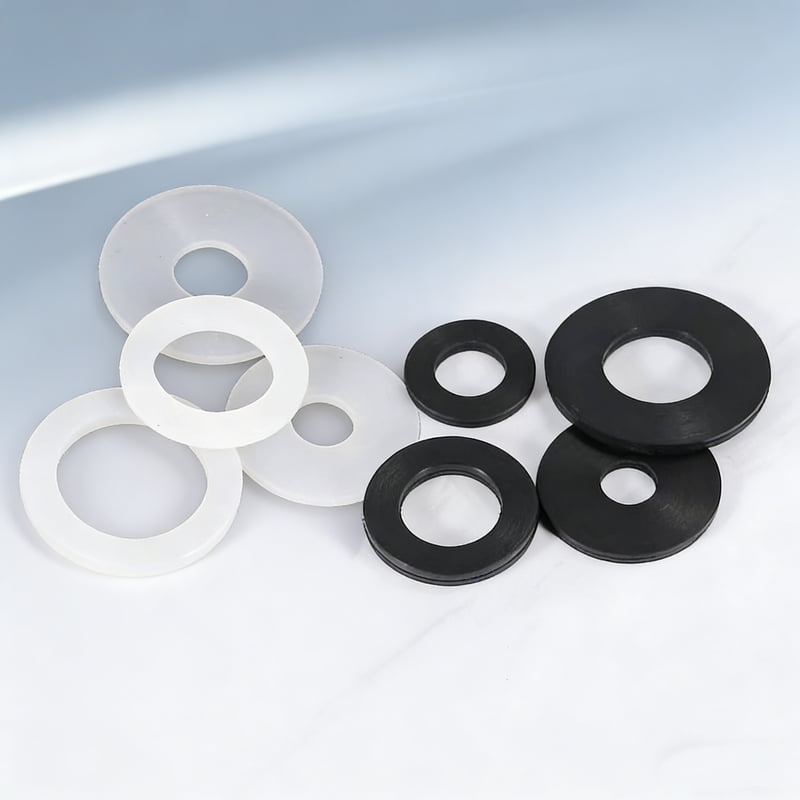
The performance differences in rubber gaskets1 stem primarily from:
- Temperature range adaptability
- Compression set capability
- Chemical compatibility
- Aging and UV resistance
Even within the same family of EPDM, there are different formulations:
- High-fill, low-cost options → Poor elasticity, easy deformation over time
- UV-resistant and aging-optimized formulations → Longer lifespan, stable sealing
If you overlook these factors, your rubber gasket may fail after some time in operation.
What Causes These Pitfalls?
In a sealing solution for outdoor equipment, I experienced this firsthand. The initial design used EPDM, and the drawings and dimensions were correct. Installation went smoothly, and the initial operation was fine. However, after six months, the equipment began to leak.
The gasket showed signs of surface chalking, reduced rebound capability, and localized failures. The root cause was the use of a low-cost EPDM formulation with insufficient aging resistance. After optimizing the formulation and hardness and adding a UV resistance system, the problems were finally resolved.
How to Avoid These Pitfalls?
-
Don't just confirm "material"—confirm "performance matching."
- Temperature range
- Compression set
- Chemical compatibility
- Expected lifespan
Material names are just a starting point; performance is the key.
-
Consider the long-term usage environment.
- Short-term tests might seem perfectly fine, but long-term usage reveals problems like aging leading to hardening or chalking, reduced elasticity, and diminished sealing performance.
-
Optimize material hardness4 based on working conditions.
- Too soft → May lead to insufficient sealing force and easy compression.
- Too hard → Installation can be difficult, leading to uneven stress.
The best approach is to match the actual compression and rebound requirements.


What Suppliers Can Do Better
Only producing according to drawings can easily lead to mistakes. The correct method is to:
- Recommend materials based on the actual working environment.
- Provide references for hardness and rebound performance.
- Offer aging and chemical compatibility5 data.
- If necessary, provide samples to verify practical applications.
This way, we can avoid the common issue of "smooth initial installation, but long-term failure," making seals more reliable.
Conclusion
Rubber gasket material may seem simple, but what truly determines success is whether the material truly matches the working environment, not just if the name is correct. I have encountered the pitfall of "correct material selection, yet operational failure." Now, during every evaluation, I always ask, “Under what conditions will this gasket operate?” If this question is answered clearly, most sealing issues can be avoided in advance.
If you're considering options or are unsure whether your current gasket is suitable for the environment, feel free to describe the usage scenario. I can help analyze material compatibility and help you avoid potential problems.
Explore this resource to understand the essential factors in choosing rubber gaskets for optimal sealing performance. ↩
This link will clarify the significance of material type in relation to sealing effectiveness and longevity. ↩
Learn about application matching to ensure your gasket material is suited for its intended use. ↩
Learn how optimizing material hardness can enhance the sealing effectiveness of rubber gaskets. ↩
This resource will explain the importance of chemical compatibility in preventing gasket failure. ↩