

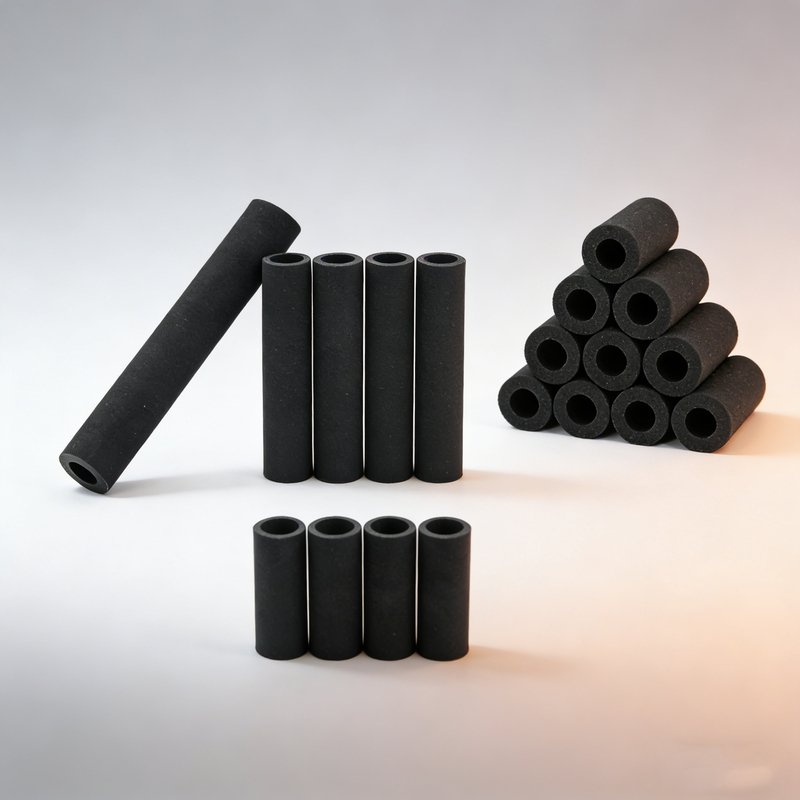
Choosing the wrong EPDM rubber bellows1 can cost your project thousands in repairs and downtime. Many buyers focus only on price without considering critical performance factors.
EPDM rubber bellows1 offer excellent weather resistance2 and temperature stability3, making them ideal for industrial applications. However, proper sizing4 and material selection5 are crucial for long-term performance and preventing costly failures.
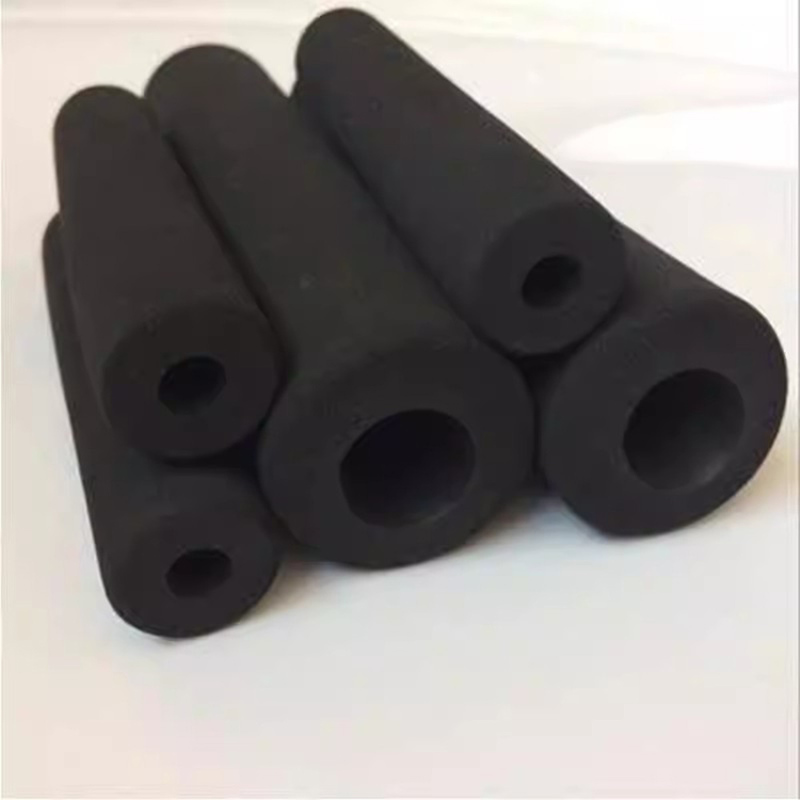
I have worked with EPDM rubber bellows1 for over two decades. During this time, I have seen many projects succeed and fail based on material selection5 choices. Let me share what I have learned to help you make the right decision.
What Makes EPDM Rubber Bellows Different from Other Materials?
EPDM stands out in the rubber industry for its unique properties. Many buyers ask me why they should choose EPDM over other rubber materials for their bellows applications.
EPDM rubber bellows1 resist ozone, weathering, and high temperatures better than most rubber materials. They maintain flexibility from -40°C to +150°C and offer excellent chemical resistance6 to acids, alkalis, and polar solvents.
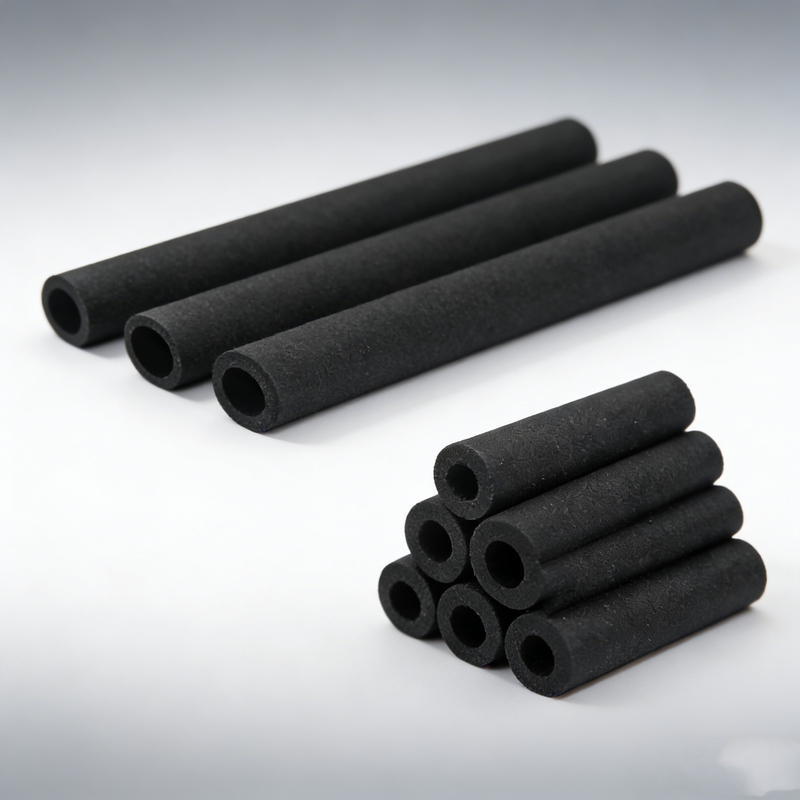
EPDM rubber bellows1 work well in many industries because of their balanced properties. The material contains no unsaturated bonds in its main chain. This gives EPDM excellent resistance to ozone and UV radiation. Other rubber materials like natural rubber or SBR break down quickly when exposed to these conditions.
The temperature range of EPDM makes it suitable for both hot and cold applications. I remember working on a project for an automotive client where the bellows needed to function in engine compartments reaching 120°C. EPDM performed perfectly while other materials would have failed within months.
Chemical resistance is another key advantage. EPDM bellows can handle exposure to brake fluids, coolants, and many cleaning chemicals. This makes them popular in automotive and industrial cleaning equipment. The material also resists steam and hot water, which is why many HVAC systems7 use EPDM bellows.
| Property | EPDM | Natural Rubber | Silicone | NBR |
|---|---|---|---|---|
| Temperature Range | -40°C to +150°C | -50°C to +80°C | -60°C to +200°C | -30°C to +120°C |
| Ozone Resistance | Excellent | Poor | Excellent | Good |
| Chemical Resistance | Good | Fair | Fair | Excellent |
| Cost | Moderate | Low | High | Moderate |
How Do You Choose the Right Size for Your EPDM Bellows?
Size selection causes more problems than any other factor in bellows applications. Many buyers focus on outer diameter but ignore other critical dimensions that affect performance.
Proper EPDM bellows sizing4 requires matching inner diameter8, outer diameter, compressed length, and extended length to your specific application. Wrong sizing4 leads to premature failure, leaks, and system damage.
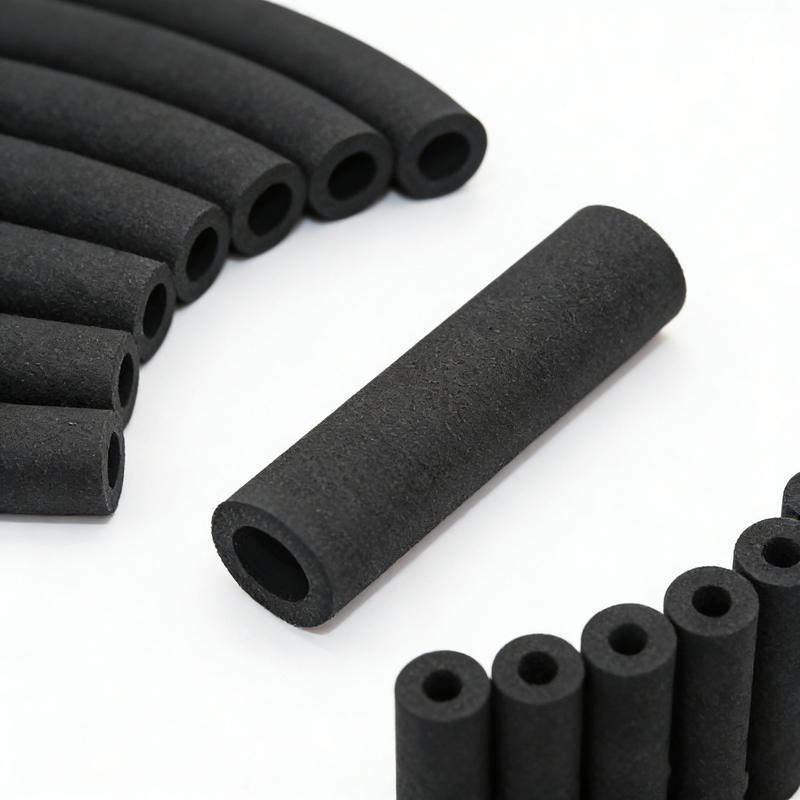
I learned this lesson early in my career when a client needed bellows for a fluid transfer system. They provided only the outer diameter specification. The bellows fit the housing perfectly but could not handle the internal pressure because the wall thickness9 was too thin. The system failed during testing, causing delays and additional costs.
Inner diameter affects flow rate and pressure drop. If the ID is too small, you create unnecessary back pressure. If it is too large, you waste material and increase costs. Calculate the required flow rate first, then select the appropriate inner diameter8 based on your fluid velocity requirements.
Wall thickness determines pressure rating and flexibility. Thicker walls handle higher pressures but reduce flexibility. Thinner walls offer better flexibility but lower pressure ratings. Most applications need a balance between these factors.
Compressed and extended lengths must match your system requirements. The bellows must compress enough to absorb movement without bottoming out. It must also extend enough to accommodate thermal expansion without over-stretching.
Convolution design affects both flexibility and pressure rating. More convolutions provide greater flexibility but reduce pressure capability. Deeper convolutions offer more movement but require more space. Shallow convolutions save space but limit movement range.
Working with our engineering team, we can help you calculate the optimal dimensions for your specific application. We consider factors like pressure, temperature, movement requirements, and space constraints to recommend the best bellows configuration.
What Are the Common Applications for EPDM Small Tube Bellows?
EPDM small tube bellows serve many industries because of their versatile properties. Understanding these applications helps you determine if EPDM is right for your project.
EPDM small tube bellows are commonly used in automotive cooling systems, HVAC equipment, medical devices10, and industrial machinery11. They provide flexible connections that absorb vibration, thermal expansion, and misalignment while maintaining seal integrity.


Automotive applications represent a large portion of our EPDM bellows business. These bellows connect radiator hoses, handle transmission cooler lines, and protect wiring harnesses. The automotive environment demands materials that resist engine heat, road salt, and various automotive fluids. EPDM meets all these requirements while maintaining flexibility over the vehicle's lifetime.
HVAC systems7 use EPDM bellows to connect ductwork and absorb thermal expansion. I worked on a project for a large office building where the HVAC contractor needed bellows that could handle both heating and cooling cycles. The temperature swings from -10°C in winter to +60°C in summer would destroy most materials. EPDM bellows performed flawlessly for over ten years.
Medical equipment applications require materials that resist sterilization chemicals and maintain flexibility. EPDM bellows work well in diagnostic equipment, patient monitoring devices, and laboratory instruments. The material's resistance to cleaning chemicals and steam sterilization makes it suitable for these demanding applications.
Industrial machinery uses EPDM bellows to protect moving parts from contamination. These applications include conveyor systems, packaging equipment, and manufacturing machinery. The bellows keep dust, moisture, and debris away from sensitive components while allowing necessary movement.
Pneumatic systems benefit from EPDM bellows because they can handle compressed air and resist ozone generated by electric motors. Many automation systems use these bellows to protect actuators and cylinders from environmental contamination.
Water treatment equipment uses EPDM bellows because they resist chlorine and other water treatment chemicals. Municipal water systems, swimming pools, and industrial water treatment facilities rely on these bellows for long-term performance.
How Do You Ensure Quality When Buying EPDM Bellows?
Quality varies significantly among EPDM bellows suppliers. Many buyers learn this lesson after receiving products that fail prematurely or do not meet specifications.
Quality EPDM bellows require proper material formulation12, precise manufacturing, and thorough testing. Look for suppliers who provide material certificates, dimensional inspection reports, and performance test data13 to ensure you receive reliable products.
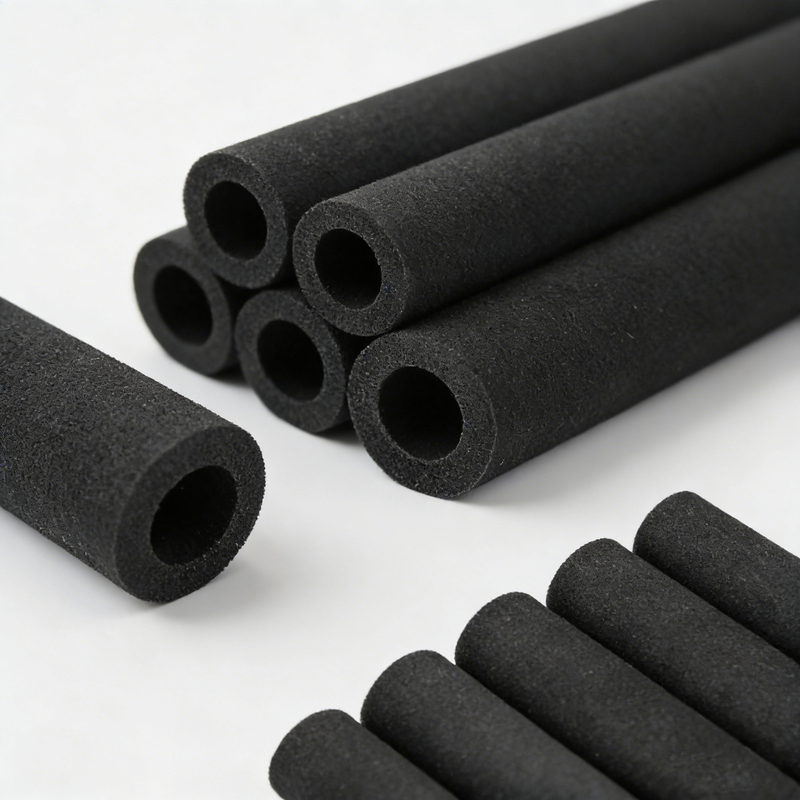
Material quality starts with the EPDM compound formulation. Pure EPDM alone does not make good bellows. The compound needs proper vulcanization agents, reinforcing fillers, and processing aids. Different applications require different formulations. A bellows for automotive use needs different additives than one for food processing equipment.
We maintain strict quality control14 throughout our manufacturing process. Each batch of EPDM compound undergoes testing for hardness, tensile strength, elongation, and compression set. These tests ensure the material meets specification before we begin production.
Manufacturing precision affects both performance and appearance. Poor molding creates weak spots that lead to premature failure. Uneven wall thickness9 causes stress concentrations during flexing. Flash and parting lines can create leak paths or stress risers.
Our molding process uses precision tooling and controlled curing cycles. We inspect each bellows for dimensional accuracy, surface finish, and structural integrity. Critical applications receive additional testing including pressure testing and cycle life testing.
Material traceability helps identify problems if they occur. We maintain records linking each bellows to its material batch, production date, and inspection results. This information helps us quickly identify and resolve any quality issues.
Testing capabilities separate quality suppliers from low-cost alternatives. We can perform pressure testing, temperature cycling, ozone resistance15 testing, and chemical compatibility testing. These tests verify that your bellows will perform as expected in your specific application.
Certifications provide additional quality assurance. Our ISO 900116 quality system ensures consistent processes and continuous improvement. Material certifications verify compliance with automotive, medical, or food grade requirements when needed.
Documentation supports your quality requirements. We provide material certificates, dimensional reports, and test results with each shipment. This documentation17 helps you meet your own quality requirements and provides traceability for critical applications.
Conclusion
EPDM rubber bellows1 offer excellent performance when properly selected and manufactured. Focus on application requirements, quality suppliers, and proper documentation17 to ensure project success.
Explore the advantages of EPDM rubber bellows for industrial use, including durability and performance. ↩
Learn how weather resistance affects the longevity and reliability of rubber materials in various applications. ↩
Understand why temperature stability is crucial for rubber materials in extreme conditions. ↩
Learn the critical dimensions needed for proper sizing of EPDM bellows to avoid failures. ↩
Discover key factors in material selection that can prevent costly failures in projects. ↩
Explore the chemical resistance properties of EPDM and its applications in various industries. ↩
Find out how EPDM bellows contribute to the efficiency and reliability of HVAC systems. ↩
Understand how inner diameter affects flow rates and pressure in rubber bellows applications. ↩
Discover the balance between wall thickness and flexibility in rubber bellows design. ↩
Learn about the advantages of EPDM bellows in maintaining flexibility and resistance to sterilization. ↩
Discover how EPDM bellows safeguard machinery from contamination and wear. ↩
Understand how proper material formulation affects the performance and durability of rubber bellows. ↩
Learn how performance test data can help you choose reliable EPDM bellows for your projects. ↩
Explore essential quality control measures to ensure reliable performance of rubber bellows. ↩
Find out how ozone resistance can extend the life of rubber products in outdoor applications. ↩
Discover how ISO 9001 certification ensures quality and consistency in rubber bellows manufacturing. ↩
Understand the role of documentation in ensuring quality and traceability for rubber bellows. ↩