

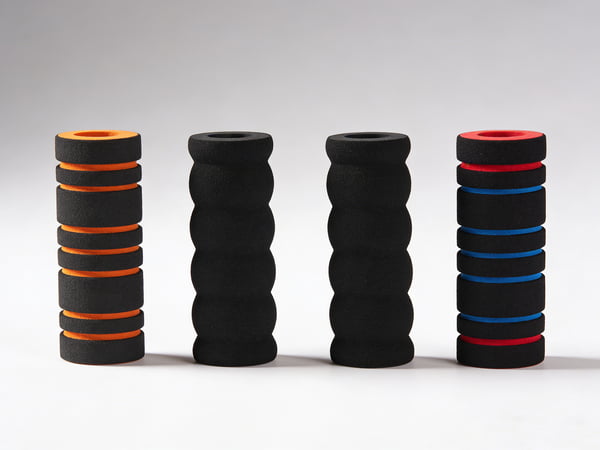
The world of rubber bellows1 can be tricky. Many engineers and procurement managers face unexpected challenges when selecting rubber bellows1 for flexible sealing and protection. These issues can affect equipment performance and lead to costly repairs and replacements.
To avoid common pitfalls in rubber bellows1 selection, ensure your equipment's safety.
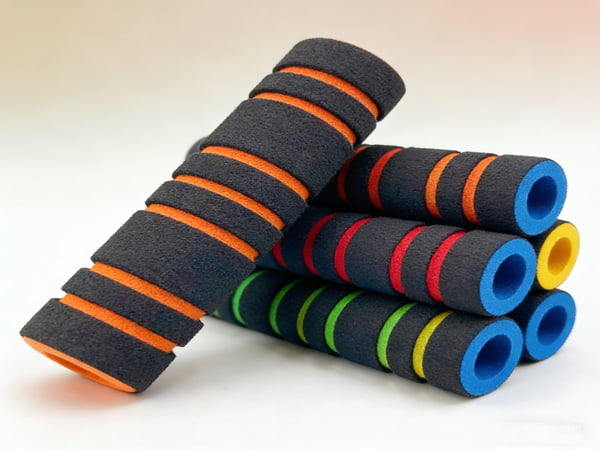
Choosing the right rubber bellows1 is crucial. Their primary role is to provide flexible sealing and protection across various industries such as automotive, machinery, and construction. However, many overlook the importance of material selection2. They often assume that matching appearance and dimensions will suffice. Unfortunately, this assumption can lead to disastrous results.
What is the Key Issue?
The key issue is improper material selection2 causing sealing failure3. If you select a rubber material that is not suitable, it can age or crack under high temperatures, chemical environments, or mechanical stress. This not only leads to system leaks but can also cause equipment failure. In severe cases, it may even halt production altogether.
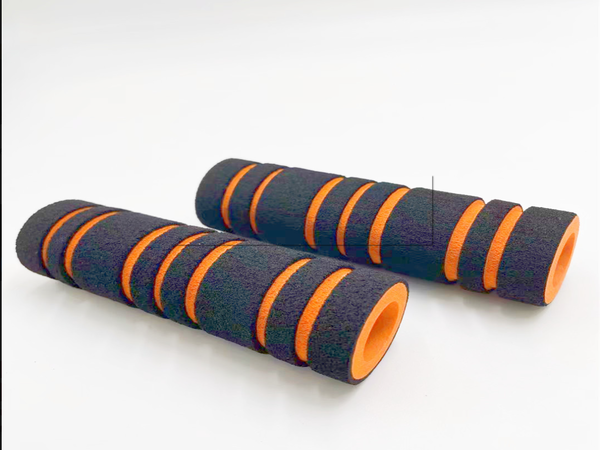
How to Avoid These Problems?
Understanding the requirements of the working environment is essential. When selecting rubber bellows1, you must be clear about the conditions they will face, including temperature, pressure, and chemical exposure. Ensure the selected material can withstand these conditions.
Prioritize quality suppliers. Experienced suppliers with technical support4 can provide correct material recommendations and customized solutions suitable for specific environments. Choosing a reputable supplier ensures you receive high-quality products and helps avoid many potential risks.
Conduct thorough quality inspections5. Before purchasing, request a quality report from the supplier to ensure the bellows are reliable in various environments. This can help you avoid downtime caused by quality issues.
How Do We Solve These Problems?
As a professional rubber bellows1 supplier, we understand the special requirements different working environments impose on bellows materials. We have the experience and technical support4 team to provide precise material recommendations, ensuring your equipment operates smoothly in complex environments.
We offer standard bellows but also specialize in custom solutions6 tailored to your project requirements. This ensures reliable sealing performance even under extreme conditions. Our team is always ready to provide expert technical support4, assisting you with any challenges you encounter in the selection process.
If you want to learn more or have any material selection2 questions, please feel free to contact me. We are committed to providing reliable technical support4 for your projects, ensuring your equipment runs smoothly without worry.
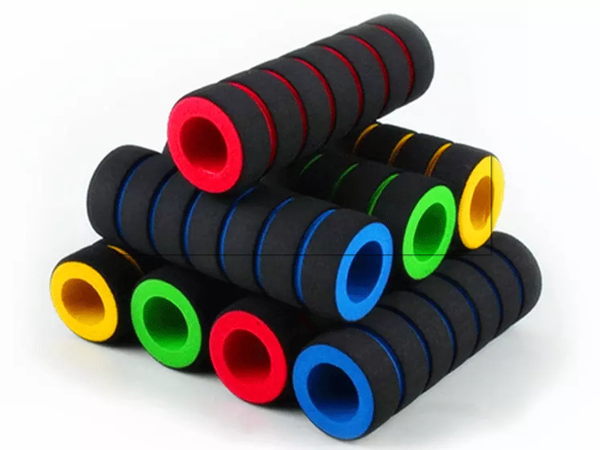
Conclusion
Choosing the right rubber bellows1 is vital for maintaining equipment performance and avoiding costly repairs.
Explore this link to understand the diverse applications of rubber bellows and their importance in various industries. ↩
This resource will guide you through the critical factors in material selection for rubber bellows, ensuring optimal performance. ↩
Learn about the common causes of sealing failure in rubber bellows to prevent costly equipment issues. ↩
Explore the types of technical support offered by suppliers to assist in the selection of rubber bellows. ↩
Discover the significance of quality inspections in ensuring the reliability and longevity of rubber bellows. ↩
Find out how custom solutions can be tailored to meet specific project requirements for rubber bellows. ↩