

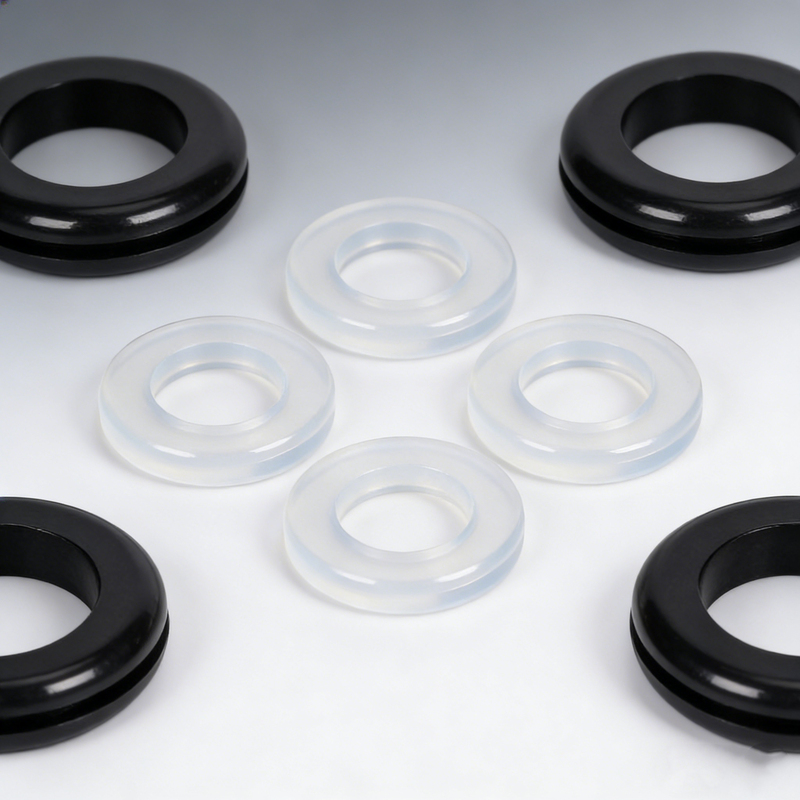
Many people ask me this question: How can I soften a rubber gasket1 that has hardened over time? It seems simple, but the solutions often lead to more problems.
Many people first think of applying oil, heating, or using some "softening agents." While they may work in the short term, I have seen too many cases where the problem worsens quickly after treatment.
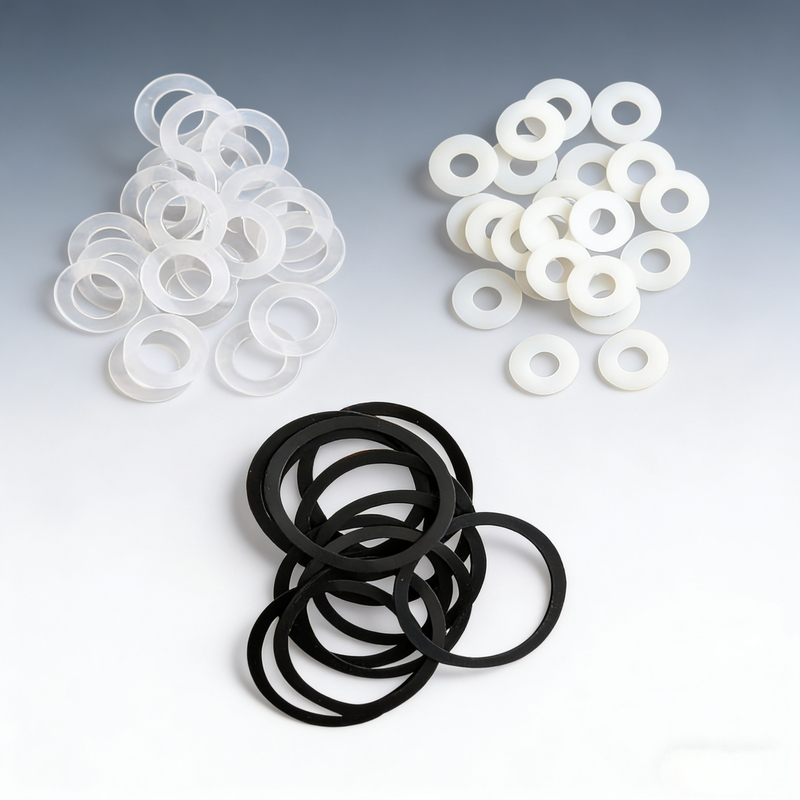
The main issue with these methods is that they often mask the underlying problem. The rubber hardening is typically due to material aging2, which happens from prolonged exposure to high temperatures, UV rays, chemical contact, or oxidation. These effects change the internal structure of the rubber, and importantly, this change is irreversible.
So, why does "softening" sometimes lead to bigger issues? Common methods like oil application or heating may make the surface feel softer and easier to install initially. However, they can create hidden dangers. The surface might soften, but the internal structure becomes more brittle. The material is still aged; you're only achieving a false sense of recovery. This softening can accelerate material degradation as oils may seep into the rubber and worsen its structure. In the end, the sealing performance declines, leading to reduced elasticity and increased leakage risks.
Essentially, it only delays failure instead of solving the actual problem.
How do I know if my rubber gasket is aging?
If you encounter hardening rubber, I suggest evaluating it based on three key points:
- Determine if the hardening is temporary or due to aging.
- Temporary hardening from environmental effects (like low temperatures) can be reversed.
- Long-term use leading to hardening usually indicates aging.
If aging is the cause, softening the gasket is pointless.
-
Avoid relying on temporary solutions3.
- Techniques such as oil application or heating should only be used for emergency situations or non-critical seals.
- For critical applications4, these methods pose significant risks.
-
Address the root cause: reselect materials or optimize designs.
- Choosing more resistant materials like silicone, EPDM, or FKM could be a more reliable solution.
- Match material properties to actual conditions, optimizing hardness or structure as needed.
This approach ensures long-term stability and reliability.

What should we do from the supply side?
Honestly, if we only provide standard materials, we can hardly avoid these issues. A better approach is to understand the usage environment upfront, including temperature, media, and lifespan requirements. This allows us to assess aging risks and recommend materials that match specific needs rather than providing default solutions. Providing lifespan or aging test references when necessary can help avoid many issues right from the start.
My personal experience
The question of “how to soften rubber” essentially asks if the seal can still be used. If it’s a short-term emergency, some treatment may be acceptable. However, for long-term use, the real answer is often that selecting the right material5 is more important than softening.
I have seen too many cases where “fixing it up for continued use” ended up costing more. Now, whenever I face a similar issue, I first determine whether it’s an aging problem or an environmental one. The answers differ, and so do the solutions.
If you are facing a similar issue or are unsure if your current sealing material can continue to be used, feel free to share your usage environment with me. I can help you assess the situation and avoid unnecessary detours.
Conclusion
In conclusion, focusing on the right materials is far more beneficial than merely trying to soften rubber gaskets.
Explore effective methods for softening rubber gaskets without causing further damage. ↩
Understanding material aging can help you choose the right gasket for longevity. ↩
Learn why temporary fixes can lead to bigger problems in rubber gasket performance. ↩
Find out which applications require careful material selection to avoid failures. ↩
Discover how to choose materials that ensure durability and reliability in gaskets. ↩