

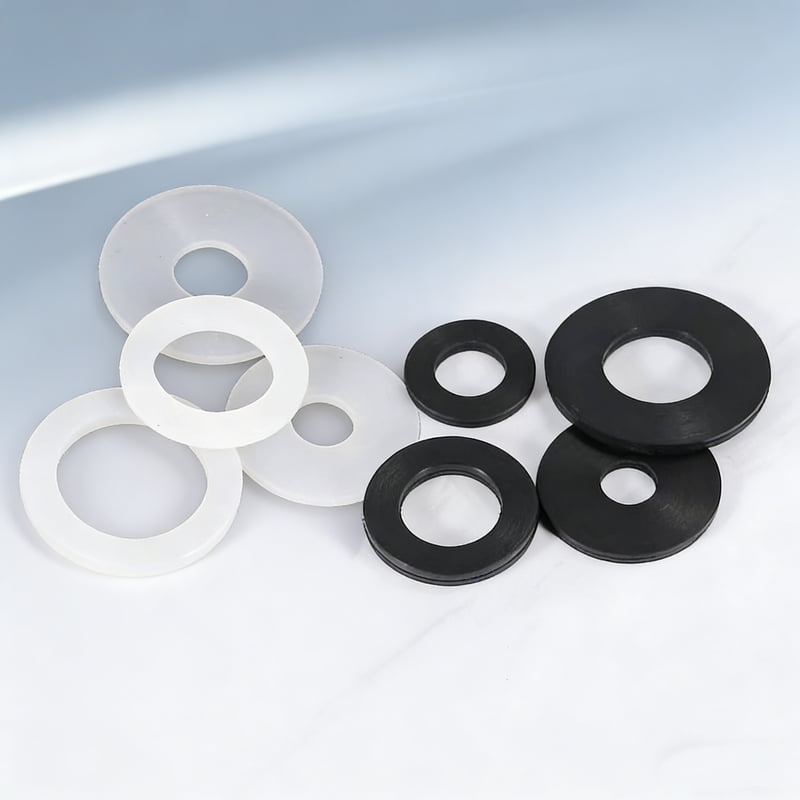
The first paragraph grabs attention: Choosing the right rubber grommet1 might seem simple, but one wrong measurement can jeopardize your entire wiring safety.
The answer to a common question: To properly select and size a rubber grommet1, measure the hole diameter, cable outer diameter, and panel thickness2. Pay attention to groove width3 for a secure fit.
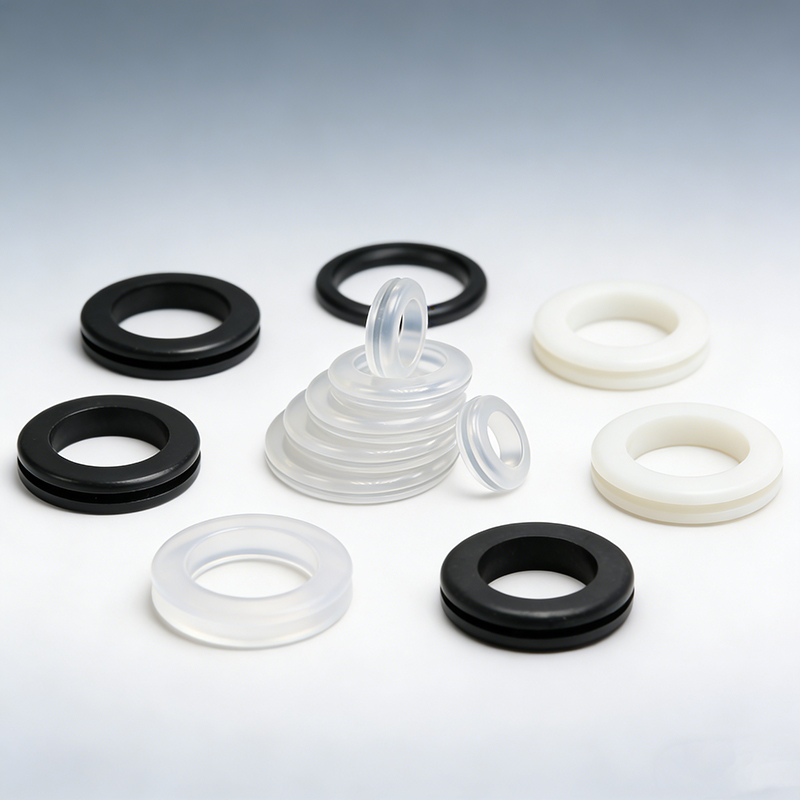
The paragraph that keeps the reader engaged: Choosing the right rubber grommet1 is crucial in preventing damage to cables. A small mistake in sizing can lead to issues like loose fittings or even breakage. Today, I will guide you through the important aspects of picking and sizing rubber grommet1s, ensuring you avoid costly mistakes.
What is the most common mistake in grommet selection?
The first paragraph grabs attention: Many experienced engineers overlook critical details when selecting grommets, leading to frustrating results.
The answer to a common question: The biggest mistake is focusing only on the hole diameter without considering the groove width3 and panel thickness2. This oversight can lead to improper fitting.
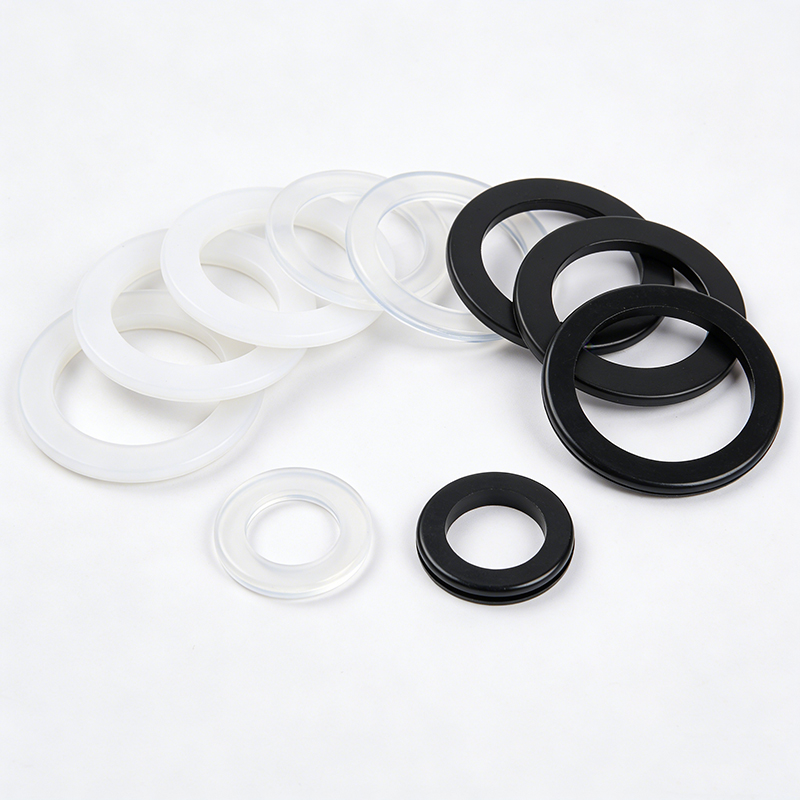
Dive deeper Paragraph: Selecting a rubber grommet1 is not as straightforward as it seems. When measuring, it's important to consider three dimensions: the hole diameter (A), the cable outer diameter (B), and the panel thickness2 (C). By accurately measuring these dimensions, you can ensure a proper fit and function. The groove width3 must match the thickness of the panel. A groove width3 too small can cause the rubber to become excessively compressed, which can lead to premature fatigue and cracking. Conversely, a groove width3 that is too large may fail to create a proper seal, putting the cables at risk. The principle of "interference fit4" should be applied, meaning the groove width3 should be slightly smaller than the panel thickness2. This ensures that the grommet fits snugly and maintains its sealing properties. Additionally, consider the dynamic bending of the cable. If the cable moves frequently, select a grommet with an inner diameter smaller than the outer diameter of the cable by 5%-10% for optimal protection.
How can you avoid common sizing pitfalls5?
The first paragraph grabs attention: Avoiding sizing pitfalls5 is essential for ensuring the efficiency and safety of your projects.
The answer to a common question: To avoid sizing issues, measure carefully, consider the interference fit4 principle, and take cable dynamics6 into account.
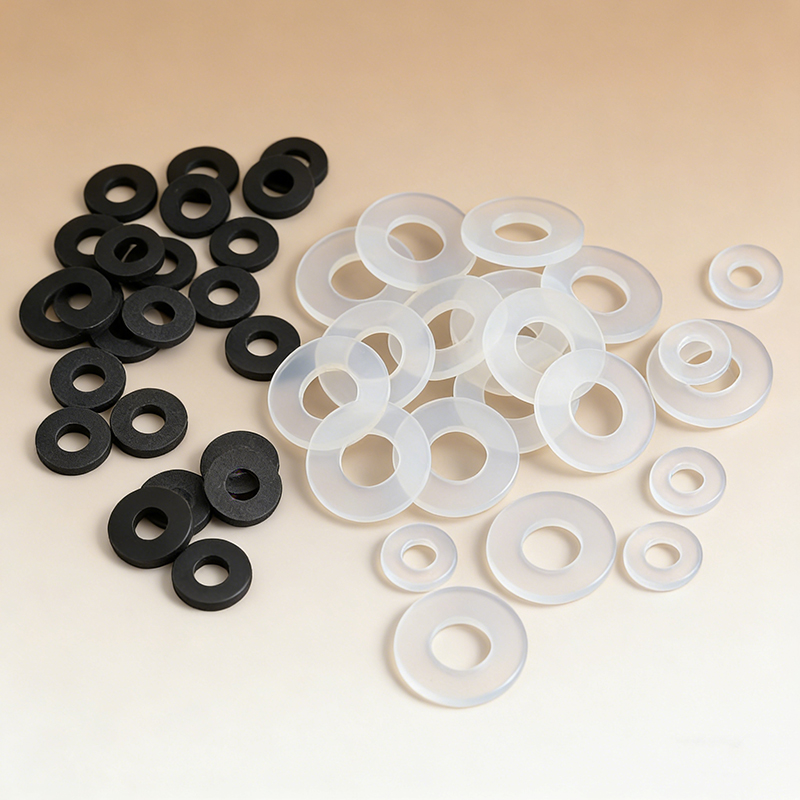
Dive deeper Paragraph: To ensure your grommet fits perfectly, it’s critical to focus on precise measurements. Start by measuring the hole diameter with calipers to get an accurate read. Measure the cable's outer diameter to ensure that the grommet will accommodate it without being too loose or tight. Next, measure the panel thickness2 to determine the correct groove width3. The ideal groove width3 should be slightly less than the panel thickness2, as mentioned before. This will provide the necessary grip to hold the cable securely in place. Moreover, keep in mind that rubber has elasticity. While it might seem counterintuitive, having a grommet that is slightly tighter can actually provide better protection from vibrations. If your cable moves often, a snug fit will help absorb shocks and maintain integrity. Work with a reliable supplier who understands the importance of these measurements and can provide custom solutions if needed.
Conclusion
Choosing the right rubber grommet1 requires careful measurement and consideration. Avoid common mistakes for optimal performance.
Explore this link to learn essential tips for selecting the right rubber grommet to ensure safety and efficiency. ↩
This link will clarify the role of panel thickness in grommet sizing, helping you avoid common mistakes. ↩
Understanding groove width is crucial; this resource will explain its impact on grommet performance and cable safety. ↩
Discover the principle of interference fit and how it ensures a snug and secure grommet fit for your cables. ↩
Avoid costly errors by exploring this resource on common sizing pitfalls in rubber grommet selection. ↩
Learn about cable dynamics and their significance in choosing the right grommet for optimal protection. ↩