

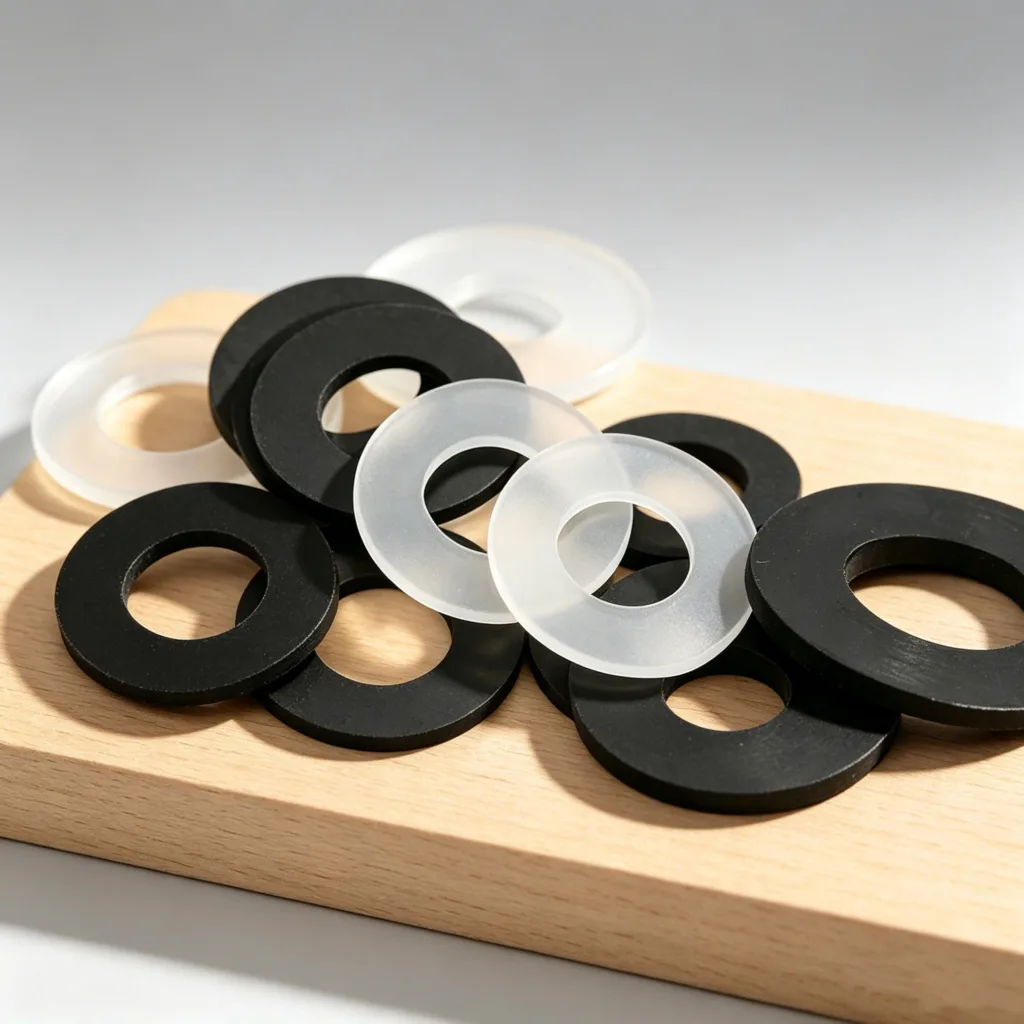
If there's one factor I've seen make or break a sealing project, it's not the material—it's the gasket thickness. Many engineers assume "thicker means better sealing," but this can lead to costly failures.
The right gasket thickness depends on controlled compression between 20-40% of the original thickness. Too thin creates gaps, too thick causes over-compression and material failure. The key is matching thickness to your specific flange design and operating conditions.
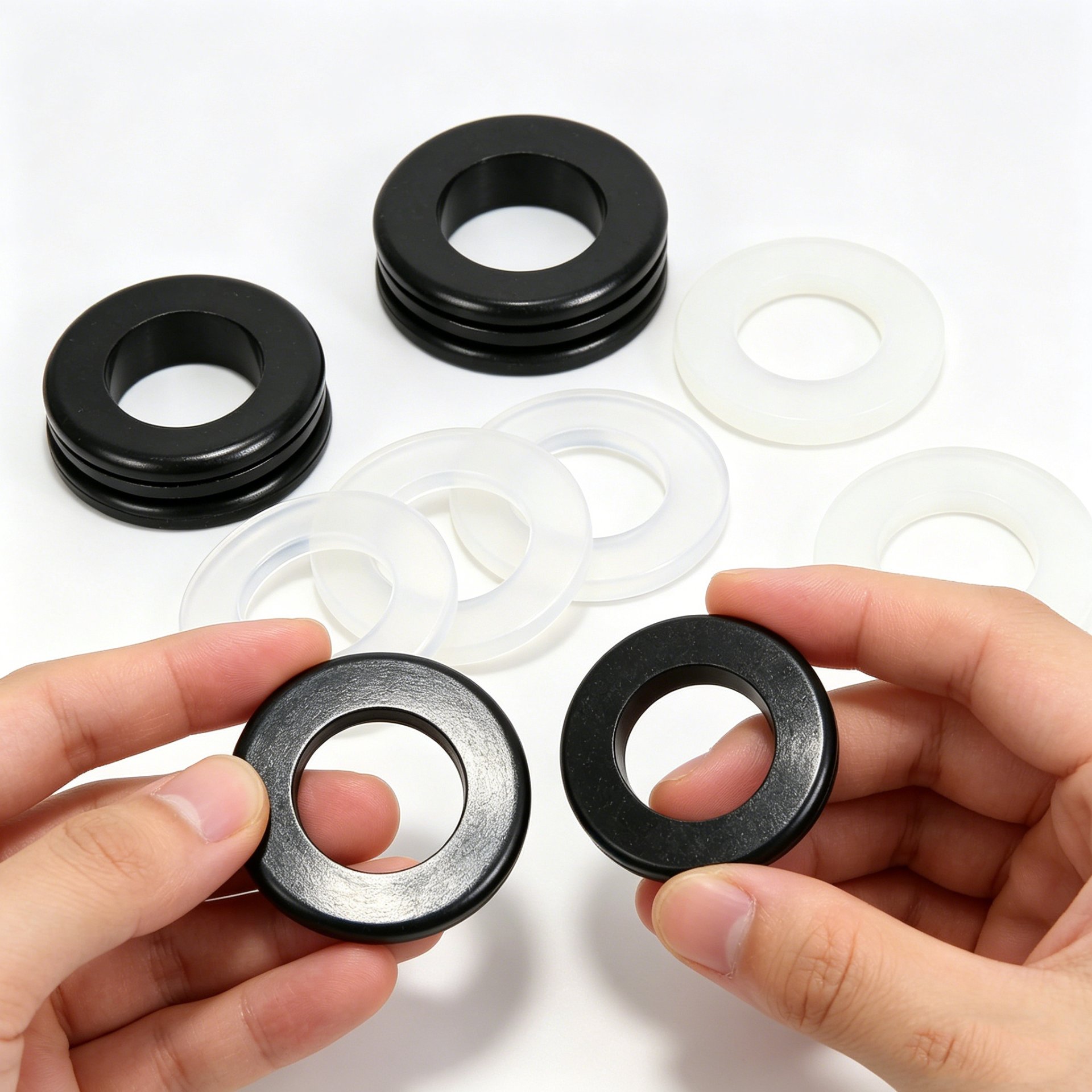
After 27 years in rubber and silicone manufacturing, I've learned that thickness selection is both science and art. Let me share what really matters when choosing gasket thickness for reliable sealing performance.
What Happens When Gasket Thickness Goes Wrong?
I still remember a project from 2019. A European lighting manufacturer contacted us after repeated sealing failures in their outdoor fixtures. Water kept getting in despite using premium silicone gaskets.
The problem wasn't material quality or design flaws. The gaskets were simply too thick for the application, creating uneven compression and allowing water ingress through poorly sealed areas.
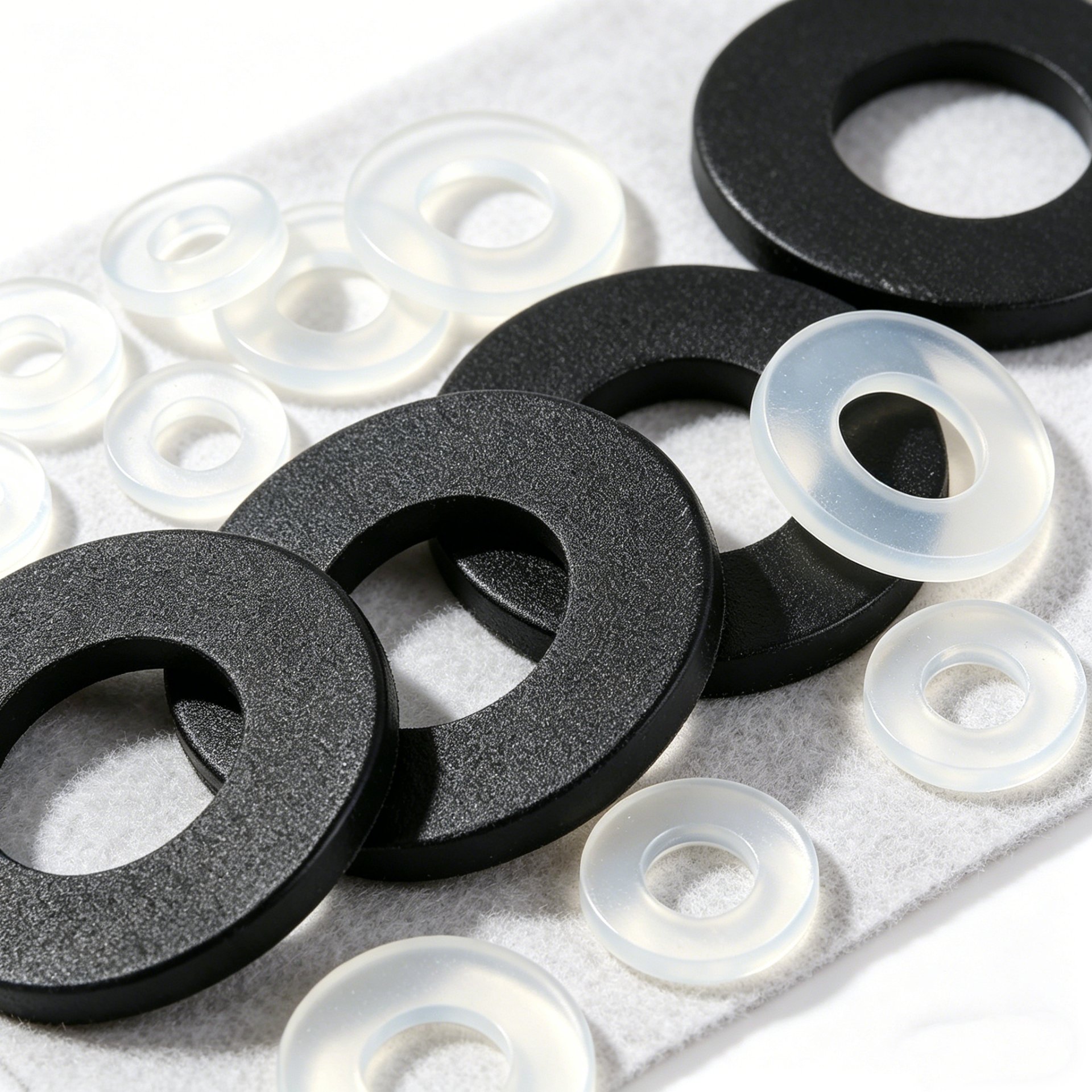
This experience taught me that thickness errors fall into three categories. Under-compression happens when gaskets are too thin for the gap. The material can't fill surface irregularities, leaving microscopic channels for leaks. Over-compression occurs with excessive thickness. The gasket gets squeezed beyond its elastic limit, causing permanent deformation and stress cracking. Uneven compression results from poor thickness control. Some areas seal properly while others fail, creating unpredictable performance.
| Thickness Problem | Cause | Result | Solution |
|---|---|---|---|
| Under-compression | Too thin for gap | Surface gaps remain | Increase thickness |
| Over-compression | Exceeds elastic limit | Material failure | Reduce thickness |
| Uneven compression | Poor thickness control | Inconsistent sealing | Improve tolerance |
The lighting manufacturer's fix was surprisingly simple. We reduced gasket thickness by just 0.8mm and redesigned the profile slightly. Their IP rating improved to stable waterproof performance, installation became easier, and product lifespan increased significantly.
How Do You Calculate the Correct Compression Ratio?
The most critical factor in thickness selection is understanding compression behavior. Every elastomer material has an optimal compression range where it performs best.
For most silicone and rubber gaskets, the ideal compression ratio falls between 20-40% of the original thickness. This range provides effective sealing while maintaining material integrity and recovery properties.
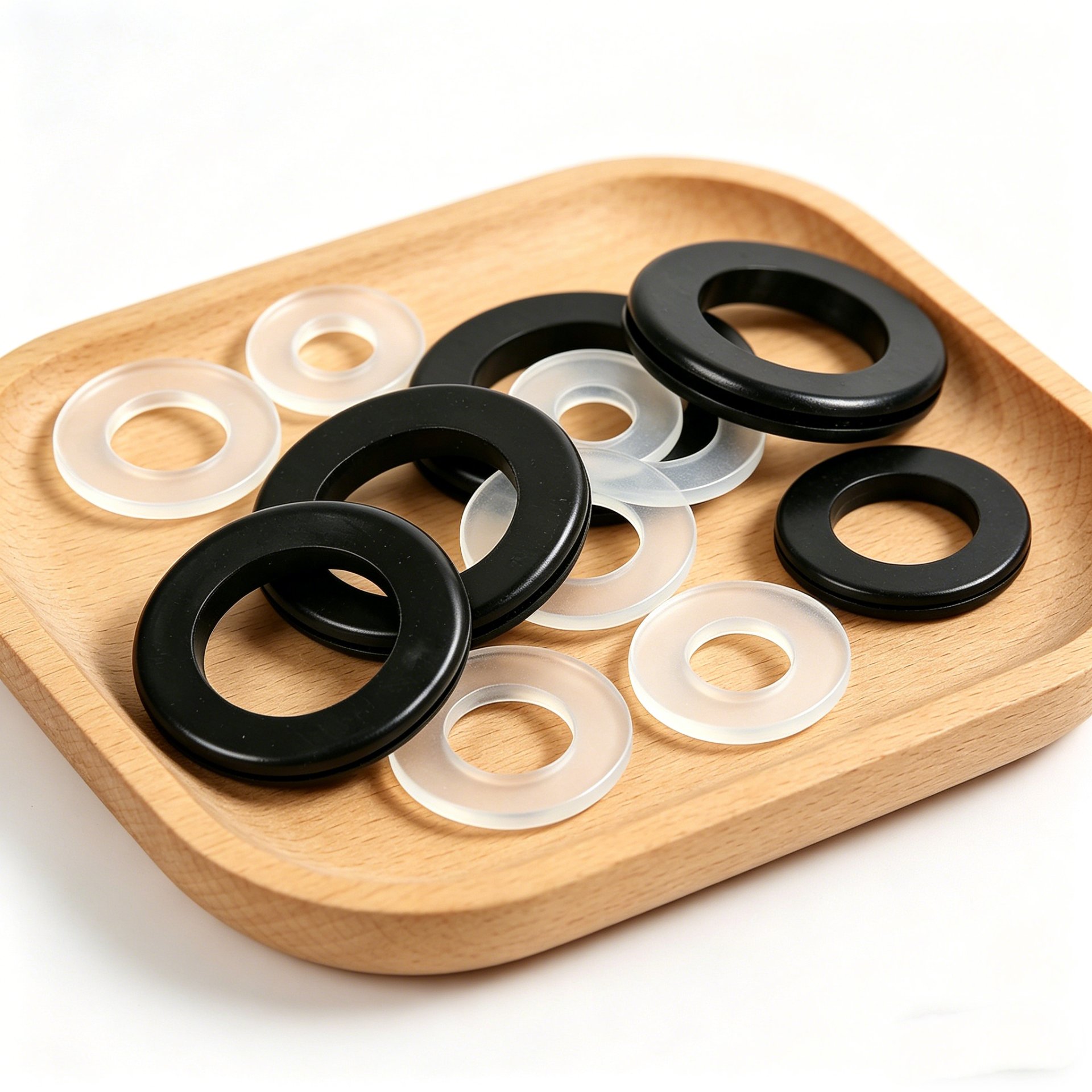
I use a systematic approach to determine the right compression ratio. First, I measure the actual flange gap under operating conditions. This includes thermal expansion, pressure loading, and manufacturing tolerances. Next, I select the base thickness that will compress to fill this gap within the optimal range. Then I verify the material can handle repeated compression cycles without permanent set.
The calculation looks like this: If your flange gap is 2.0mm and you want 30% compression, your gasket thickness should be approximately 2.86mm. This allows the gasket to compress from 2.86mm down to 2.0mm, achieving exactly 30% compression.
Different materials require different approaches. Silicone gaskets typically work best at 25-35% compression due to their excellent recovery properties. EPDM rubber performs well at 20-30% compression but needs careful control to avoid over-compression. NBR and natural rubber can handle 30-40% compression but may show more permanent set over time.
| Material Type | Optimal Compression | Key Characteristics | Best Applications |
|---|---|---|---|
| Silicone | 25-35% | Excellent recovery | High temperature, outdoor |
| EPDM | 20-30% | Weather resistant | Automotive, HVAC |
| NBR | 30-40% | Oil resistant | Industrial, hydraulic |
| Natural Rubber | 30-40% | High elasticity | General purpose, indoor |
What Environmental Factors Affect Thickness Selection?
Environmental conditions dramatically impact how gaskets behave over time. I've seen perfect laboratory seals fail in real-world conditions because we didn't account for environmental stress.
Temperature changes, chemical exposure, and UV radiation all affect gasket compression and recovery. You must select thickness based on worst-case environmental conditions, not ideal laboratory settings.
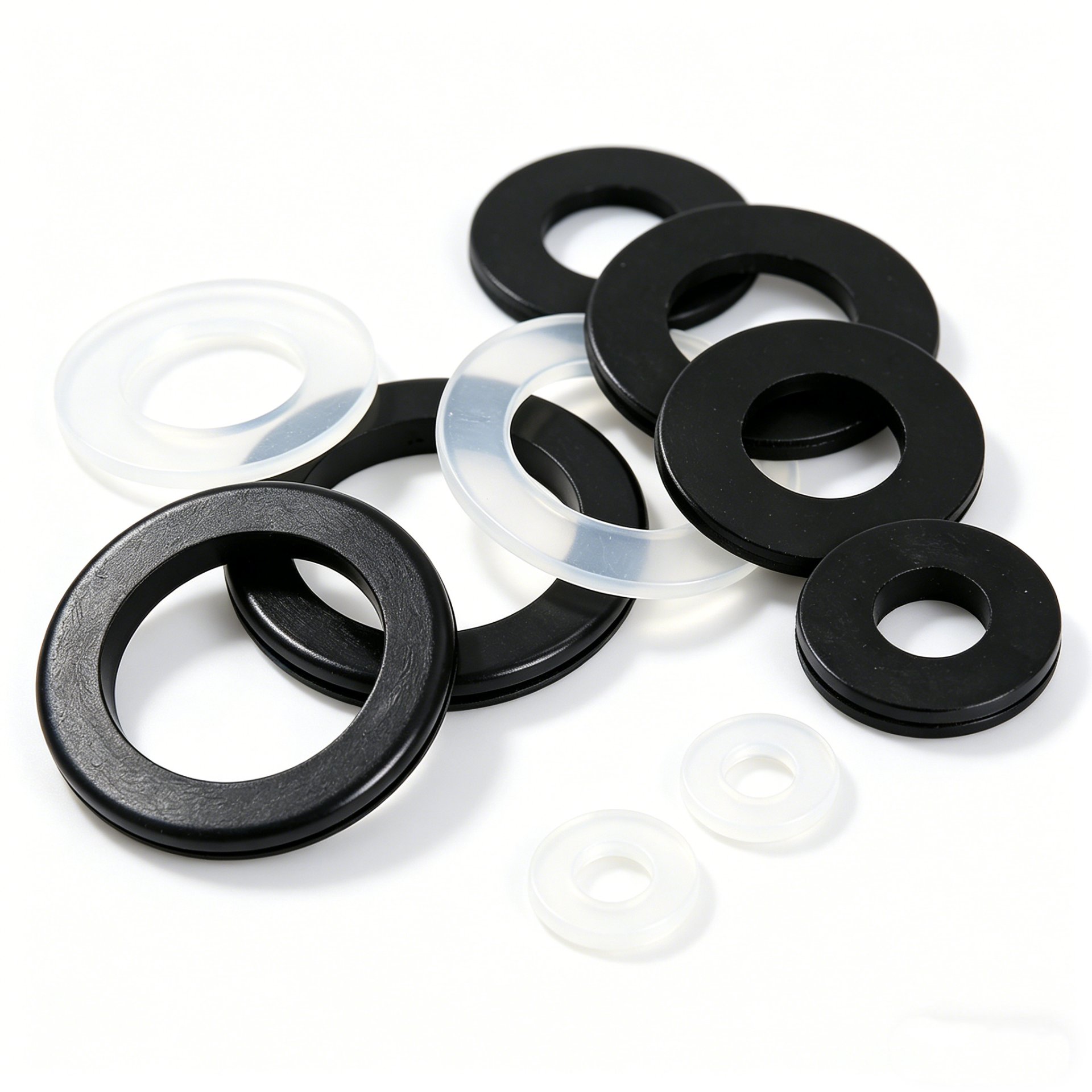
Temperature effects are often underestimated. Silicone gaskets can handle extreme temperatures but still experience thermal expansion and contraction. A gasket that seals perfectly at room temperature might lose compression at high temperatures or become too stiff at low temperatures. I always calculate thickness based on the operating temperature range, not installation temperature.
Chemical compatibility affects long-term compression behavior. Aggressive chemicals can cause swelling, shrinkage, or hardening. What starts as proper compression can become inadequate as the material properties change. UV exposure creates similar challenges for outdoor applications.
Pressure cycling adds another layer of complexity. Gaskets that experience repeated pressure changes need extra thickness allowance to compensate for compression set over time. Static applications can use thinner gaskets since they don't experience repeated deformation.
I learned this lesson from a medical device manufacturer. Their gaskets worked perfectly in controlled testing but failed after six months in clinical use. The issue was gradual compression set from repeated sterilization cycles. We increased thickness by 15% to compensate for long-term compression loss, and the problem disappeared.
| Environmental Factor | Impact on Thickness | Compensation Strategy |
|---|---|---|
| High temperature | Reduces compression | Increase initial thickness 10-15% |
| Chemical exposure | Changes material properties | Select resistant materials, adjust thickness |
| UV radiation | Causes hardening | Use UV-stable compounds, increase thickness |
| Pressure cycling | Creates compression set | Add 10-20% thickness allowance |
How Do Manufacturing Tolerances Impact Your Choice?
Perfect gaskets are worthless if your manufacturing tolerances are too loose. I've seen excellent designs fail because the actual gasket thickness varied too much from the specification.
Manufacturing tolerance control is just as important as selecting the right nominal thickness. Tight tolerances ensure consistent compression across all parts, while loose tolerances create unpredictable sealing performance.
In our facility, we maintain thickness tolerances of ±0.05mm for most applications. This precision requires careful process control during molding and cutting operations. The investment in precision tooling pays off through consistent product performance and reduced field failures.
Tolerance stack-up analysis is critical for complex assemblies. When multiple parts contribute to the final gap dimension, small variations can add up to significant problems. I always work with customers to understand their complete tolerance chain, not just the gasket specification.
Consider a typical automotive application. The housing casting might have ±0.1mm tolerance, the cover has ±0.08mm tolerance, and surface finish adds another ±0.02mm variation. The total stack-up could be ±0.2mm or more. Your gasket thickness must accommodate this variation while still maintaining proper compression.
Quality control becomes even more important for high-volume production. We use automated thickness measurement systems to check every gasket before shipping. Statistical process control helps us identify trends before they become problems.
| Tolerance Level | Application | Benefits | Challenges |
|---|---|---|---|
| ±0.02mm | Precision instruments | Consistent performance | Higher cost, slower production |
| ±0.05mm | Industrial equipment | Good balance | Standard tooling required |
| ±0.1mm | General purpose | Lower cost | May need design compensation |
| ±0.2mm | Non-critical sealing | Lowest cost | Unpredictable performance |
Conclusion
Choosing the right gasket thickness requires understanding compression behavior, environmental conditions, and manufacturing realities. Get it right, and your seals will perform reliably for years.