

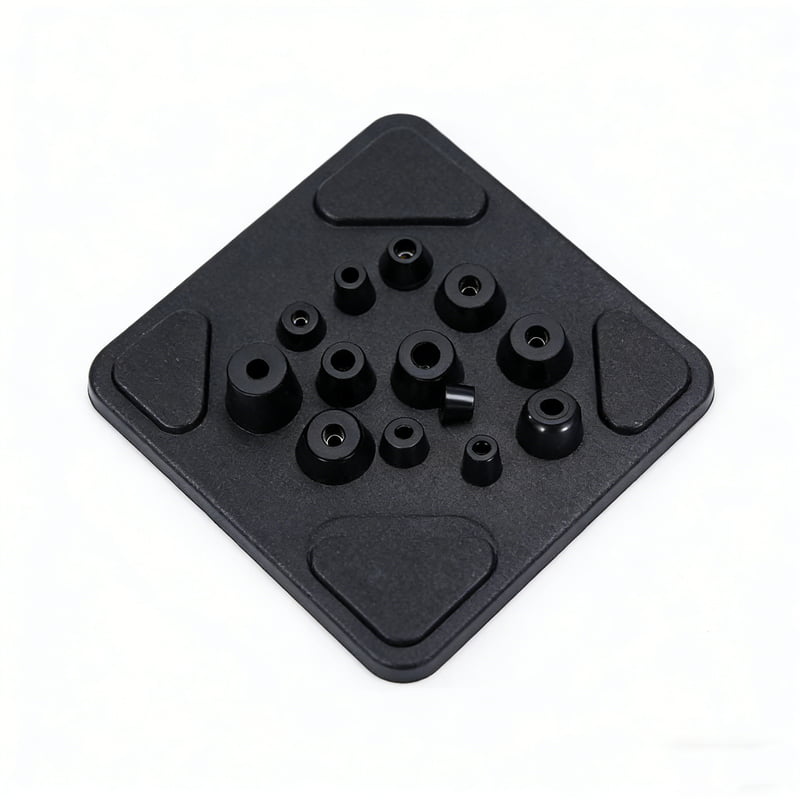
The first paragraph: Choosing the right anti-vibration mounts can be tricky. Many people believe that simply selecting a mount based on load capacity is enough. However, this can lead to unexpected outcomes.
When faced with vibration issues, it's essential to understand that the problem often lies in a critical but overlooked detail: the matching of excitation frequencies and the natural frequency of the mounts1s](https://arxiv.org/pdf/2409.19870)%%%FOOTNOTE_REF_2%%%.
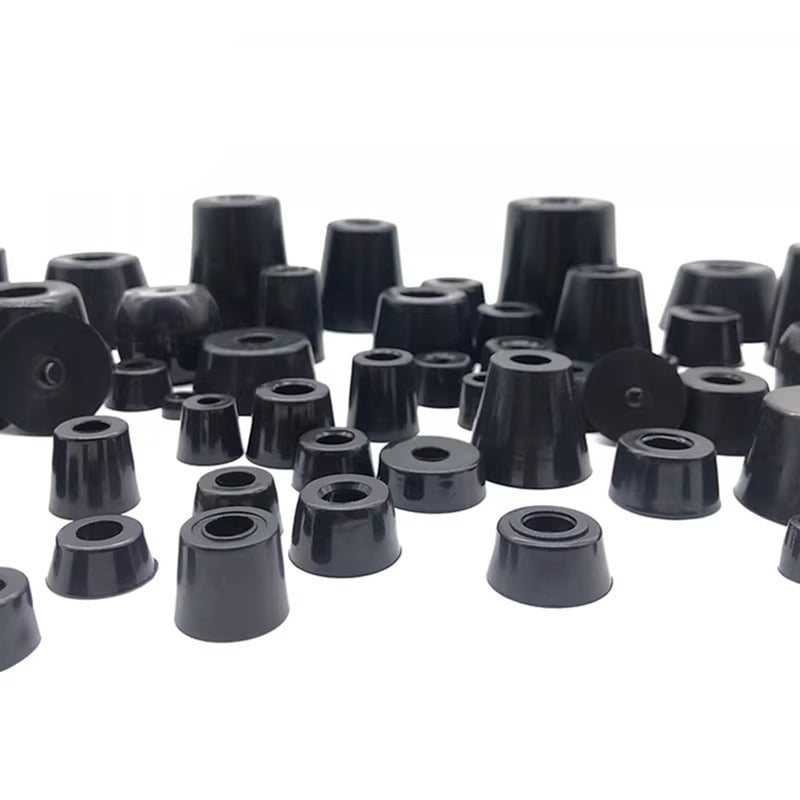
The paragraph that begins and ends with a paragraph that will keep the customer from reading further: Many clients come to me frustrated. They selected anti-vibration mounts that should have worked perfectly based on weight. However, their equipment still vibrates. The solution is not always straightforward. It often requires delving deeper into the technical specifications.
Why do Anti-Vibration Mounts Fail to Reduce Vibration?
The first paragraph: I often hear the same story from clients about their projects. They say, “We’ve chosen the mounts, but the equipment still shakes.” This is a common concern and usually indicates a deeper issue at play.
The second paragraph: The main issue often overlooked is not just load capacity but the matching of the equipment's excitation frequency with the mount's natural frequency. This mismatch can lead to resonance instead of effective vibration isolation3.


Dive deeper paragraph: When I worked on an equipment manufacturing project weighing about 500 kg, everything seemed perfect on paper. The chosen anti-vibration mounts had sufficient load capacity. However, during operation, the equipment experienced significant resonant vibrations. Through further analysis, we discovered that the natural frequency of the mounts2 was too close to the operating frequency of the equipment. This resulted in resonance, amplifying the vibrations rather than isolating them. To prevent this mistake, it’s essential to start with the operational frequency of your equipment4. This means looking at factors such as the RPM (Revolutions Per Minute) and identifying the source of vibrations, whether it's from a motor, compressor, or fan. Understanding the nature of the vibrations, whether they are impact loads or continuous vibrations, is critical for effective selection. The rule of thumb I recommend is that the mount’s natural frequency should ideally be one-third or lower than the equipment's excitation frequency.
Conclusion
In conclusion, matching the natural frequency of anti-vibration mounts with equipment operation frequency is crucial to achieve effective vibration isolation.
Understanding this concept is vital for effective vibration isolation, ensuring your equipment operates smoothly. ↩
Gaining insights into this can enhance your selection process and prevent vibration issues. ↩
Exploring this topic can help you avoid common pitfalls and improve your equipment's performance. ↩
This knowledge is crucial for selecting the right mounts and ensuring optimal vibration control. ↩