

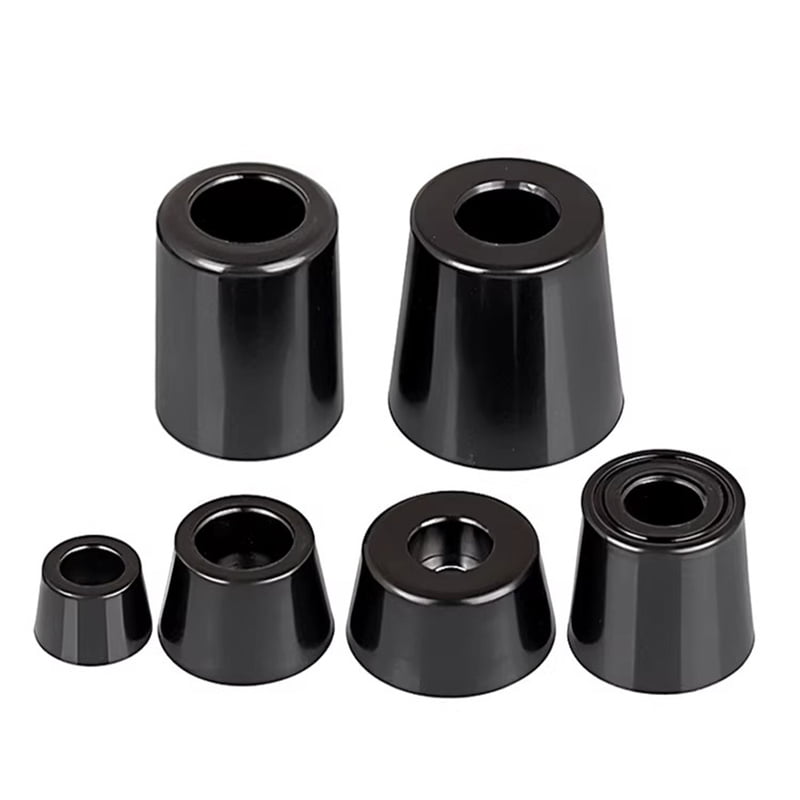
Shock mounts protect your equipment from damage, but many people choose wrong types and face costly repairs.
Shock mounts are critical components that absorb vibration and protect equipment from mechanical damage. The right shock mount can extend equipment life by 3-5 times and prevent expensive system failures.
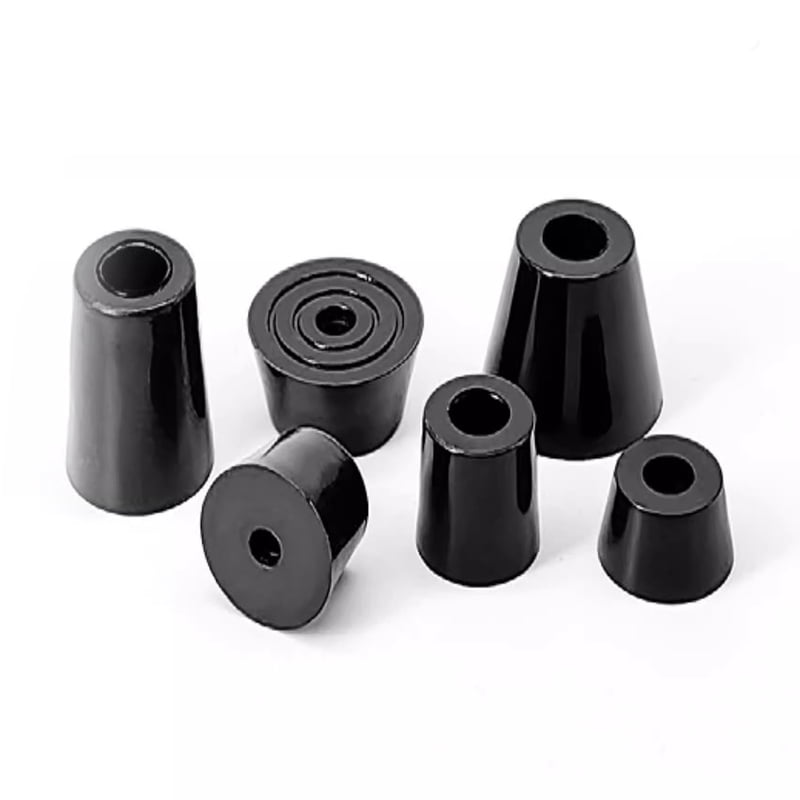
After working in this industry for over 27 years, I have seen countless equipment failure1s that could have been prevented with proper shock mount selection. Let me share what I have learned about why these small components make such a big difference.
What Happens When You Choose Wrong Shock Mounts?
Equipment vibration becomes your worst enemy when shock mounts2 fail to do their job properly.
Wrong shock mounts2 cause excessive vibration, leading to premature equipment failure1, electrical system damage, and increased maintenance costs3 that can exceed 200% of normal operating expenses.
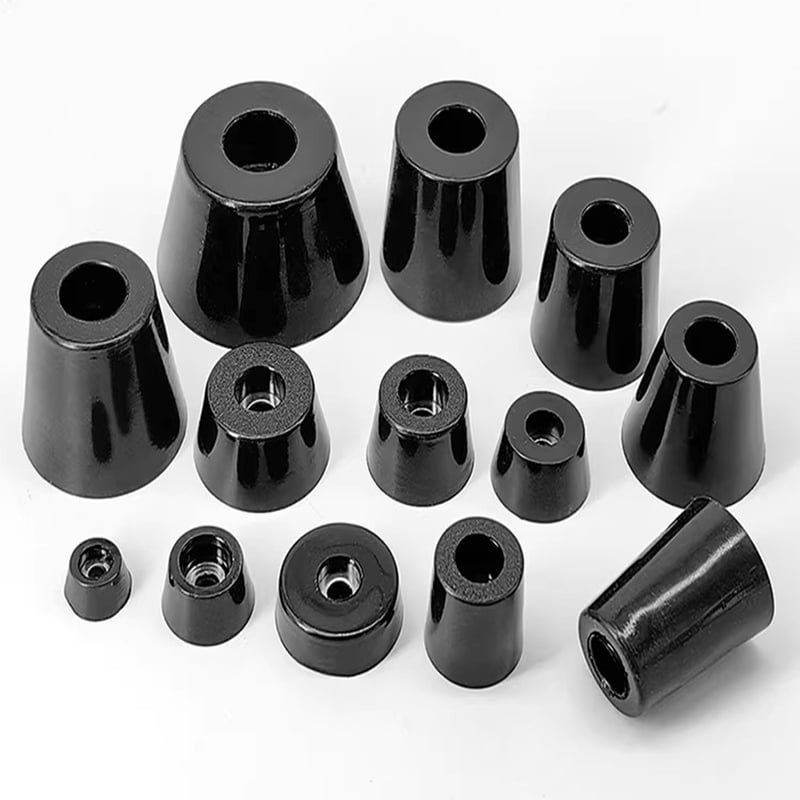
I remember a project where a client called us in panic. Their expensive machinery was shaking so violently that it damaged the electrical control system. The root cause was simple but costly - they had chosen shock mounts2 with wrong hardness for their high-frequency vibration environment.
The equipment manufacturer had recommended standard rubber mounts. But the actual operating conditions included constant vibration from nearby heavy machinery. The standard mounts could not handle the specific frequency range. Within six months, the vibration caused wire connections to loosen and control boards to crack.
We analyzed their working conditions and provided custom shock mounts2 with the right material composition and hardness. The vibration problem disappeared immediately. The equipment has been running smoothly for three years now.
Here is what typically goes wrong with shock mount selection:
| Common Mistake | Consequence | Solution |
|---|---|---|
| Wrong hardness selection4 | Inadequate vibration isolation5 | Match hardness to vibration frequency6 |
| Ignoring temperature range7 | Material degradation | Use temperature-resistant materials |
| Overlooking load capacity8 | Mount failure under stress | Calculate actual load requirements |
| Missing chemical compatibility9 | Rubber deterioration | Select chemical-resistant compounds |
How Do You Choose Right Shock Mounts?
Understanding your equipment environment is the first step to proper shock mount selection.
Effective shock mount selection requires analyzing vibration frequency6, temperature range7, load conditions, and environmental factors to match the right material hardness and design configuration.


The selection process starts with understanding what your equipment actually faces during operation. Many people make assumptions instead of measuring real conditions.
We always ask our clients to provide detailed operating parameters. Temperature extremes matter because rubber compounds behave differently at -40°C versus +150°C. Load calculations must include both static weight and dynamic forces during operation.
Vibration frequency analysis is crucial. Low-frequency vibrations need different mount characteristics than high-frequency ones. A mount that works perfectly for 10 Hz vibration might amplify 100 Hz vibration instead of dampening it.
Material selection depends on your specific environment. Standard rubber works fine in clean indoor conditions. But industrial environments often need EPDM for chemical resistance or silicone for extreme temperatures. We have seen too many projects fail because someone chose the cheapest option without considering long-term exposure conditions.
Here is our systematic approach to shock mount selection:
Step 1: Environmental Analysis
- Measure actual vibration frequencies
- Record temperature range7s during operation
- Identify chemical exposure risks
- Calculate total load requirements
Step 2: Material Matching
- Select base material for temperature range7
- Verify chemical compatibility9
- Choose hardness for vibration isolation5
- Consider aging characteristics
Step 3: Design Validation
- Test prototypes under actual conditions
- Verify isolation performance
- Check load capacity8 margins
- Confirm installation compatibility
What Makes Quality Shock Mounts Different?
Quality shock mounts2 use precise material formulations and manufacturing processes that cheap alternatives cannot match.
High-quality shock mounts2 feature engineered rubber compounds, precise hardness control, and consistent manufacturing that provides reliable performance over 10+ years versus 1-2 years for cheap alternatives.
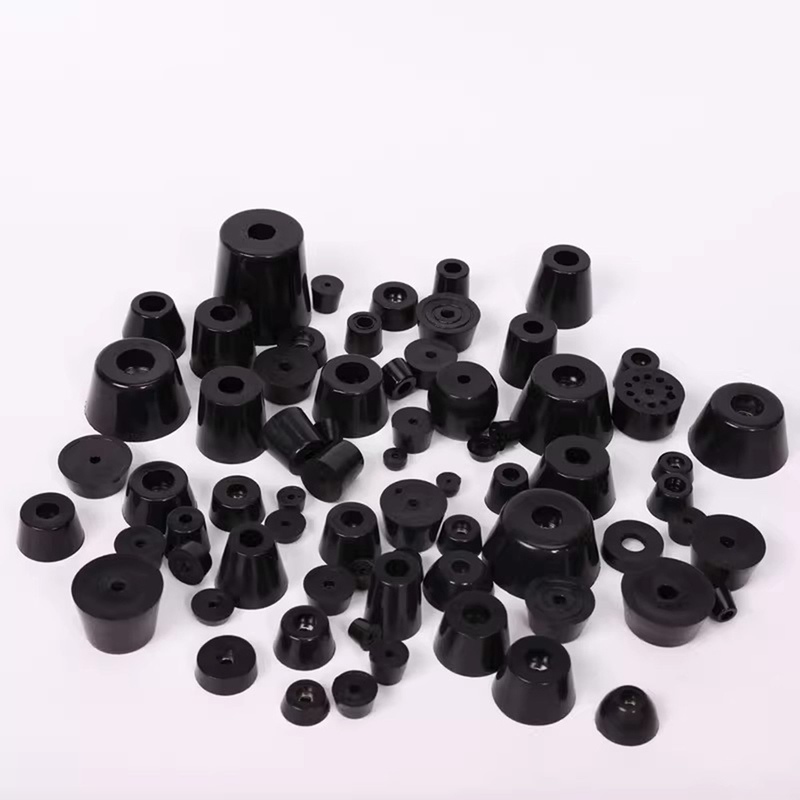
The difference between quality shock mounts2 and cheap alternatives becomes clear over time. We manufacture our shock mounts2 with precise material formulations that maintain their properties for years.
Our compression molding10 process ensures consistent hardness throughout each part. Cheap shock mounts2 often have soft spots or hard spots that create uneven vibration isolation5. This inconsistency leads to premature failure.
Material quality makes a huge difference in longevity. We use premium rubber compounds with additives that resist aging, ozone, and temperature cycling. Cheap shock mounts2 use basic rubber that hardens and cracks within months in harsh environments.
Quality control during manufacturing catches problems before they reach your equipment. We test every batch for hardness, tensile strength, and compression set. This testing ensures that each shock mount will perform as designed.
The cost difference between quality and cheap shock mounts2 is minimal compared to equipment replacement costs. A $10 quality shock mount that lasts 10 years costs much less than replacing $5 cheap mounts every year, plus the downtime and labor costs.
Here are the key quality indicators we focus on:
| Quality Factor | Our Standard | Cheap Alternative |
|---|---|---|
| Hardness tolerance | ±3 Shore A | ±10 Shore A |
| Temperature range | -40°C to +150°C | -20°C to +80°C |
| Compression set | <15% after 1000 hours | >30% after 100 hours |
| Tensile strength | >8 MPa | <4 MPa |
| Service life | 10+ years | 1-2 years |
How Do You Install Shock Mounts Properly?
Proper installation determines whether your shock mounts2 will protect equipment or create new problems.
Correct shock mount installation requires proper alignment, appropriate torque settings, and regular inspection to maintain optimal vibration isolation5 and prevent equipment damage.
Installation mistakes can turn quality shock mounts2 into expensive failures. The most common error is over-tightening mounting bolts. This compresses the rubber beyond its design limits and reduces vibration isolation5.
We provide detailed installation instructions with every shock mount shipment. The torque specifications are calculated to compress the rubber to optimal working height. Too little compression allows movement that creates wear. Too much compression makes the mount too stiff.
Alignment during installation affects long-term performance. Shock mounts must be perpendicular to the mounting surface. Angled installation creates uneven stress that leads to premature cracking.
Regular inspection catches problems before they cause equipment damage. We recommend checking shock mounts2 every six months for signs of cracking, hardening, or excessive compression. Early replacement costs much less than emergency repairs.
Environmental protection extends shock mount life significantly. Simple measures like protecting mounts from direct sunlight or chemical splash can double their service life11.
Installation best practices include:
Before Installation:
- Verify correct part numbers and specifications
- Check mounting surfaces for flatness and cleanliness
- Ensure proper tools and torque specifications are available
During Installation:
- Follow specified torque sequences
- Verify proper alignment and spacing
- Check for interference with other components
After Installation:
- Test equipment operation and vibration levels
- Document installation date and specifications
- Schedule regular inspection intervals
Conclusion
Quality shock mounts2 are essential investments that protect equipment, reduce maintenance costs3, and extend operational life when selected and installed properly.
Understand the factors leading to equipment failure and how to prevent them. ↩
Explore how shock mounts can significantly enhance equipment longevity and performance. ↩
Discover how proper shock mount selection can lead to significant cost savings. ↩
Discover the critical role of hardness selection in ensuring effective vibration dampening. ↩
Learn about the science behind vibration isolation and its importance in protecting machinery. ↩
Understand the impact of vibration frequency on shock mount selection and effectiveness. ↩
Find out how temperature affects material performance and longevity in shock mounts. ↩
Get insights on accurately determining load requirements for optimal shock mount performance. ↩
Explore the importance of chemical compatibility in selecting durable shock mounts. ↩
Explore the benefits of compression molding in creating high-quality shock mounts. ↩
Find out how to assess the expected lifespan of shock mounts for better planning. ↩