

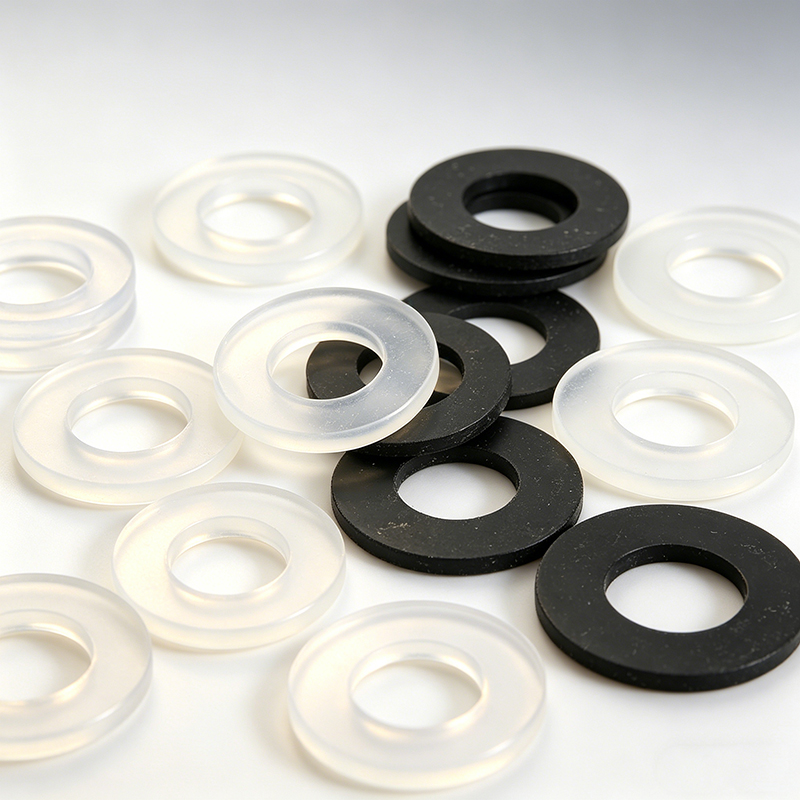
Choosing the wrong gasket material for your application's temperature range can lead to costly failures, system downtime, and safety risks.
Operating temperature1 is the most critical factor when selecting gasket materials2. Different materials perform optimally within specific temperature ranges, and exceeding these limits causes seal failure3, leakage, and equipment damage.


I've seen countless projects fail because someone chose a gasket based on price or availability instead of temperature compatibility. Let me share what I've learned from 27 years in the gasket manufacturing business.
What Happens When Temperature Limits Are Exceeded?
Temperature extremes destroy gasket performance4 faster than any other factor in industrial applications.
When gaskets operate beyond their temperature limits, they experience rapid degradation including hardening, cracking, loss of elasticity, and complete seal failure3 within days or weeks instead of years.
High Temperature Damage
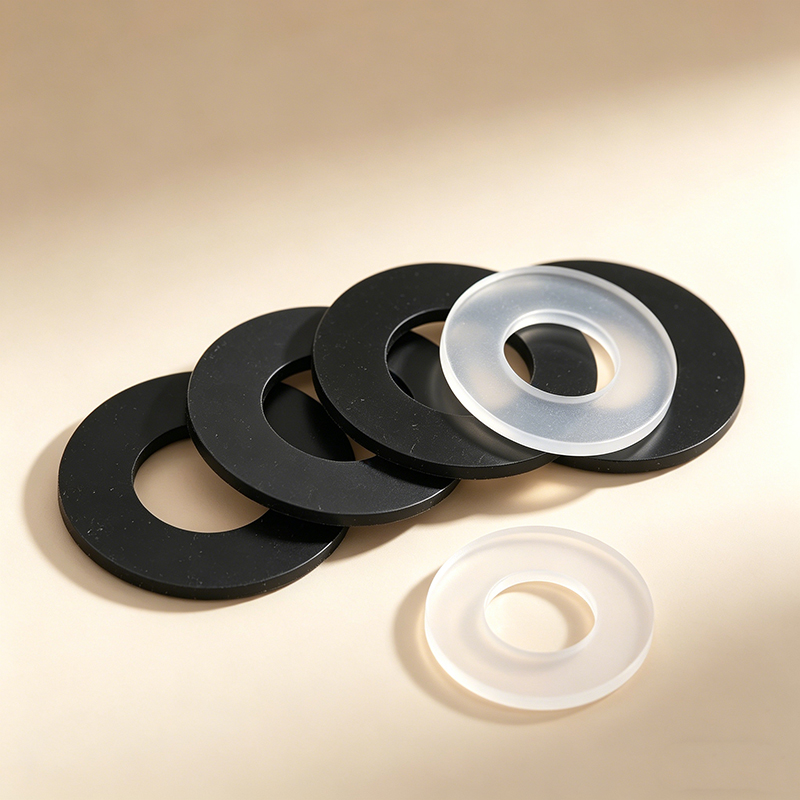
High temperatures cause several destructive processes in gasket materials2. The rubber compounds begin to cross-link excessively, making the material hard and brittle. I remember a client who used standard NBR gaskets5 in a 200°C application. Within two weeks, the gaskets had turned into hard, cracked pieces that provided zero sealing capability.
The chemical bonds in the polymer chains break down under heat stress. This process, called thermal degradation6, is irreversible. Once it starts, the gasket will continue deteriorating even if temperatures return to normal ranges.
Different materials fail at different rates. EPDM7 maintains flexibility up to 150°C, while silicone can handle 200°C continuously. Here's what happens at various temperature ranges:
| Temperature Range | Material Behavior | Typical Failure Mode |
|---|---|---|
| Below -40°C | Becomes brittle | Cracking, loss of compression |
| 150-200°C | Accelerated aging | Hardening, permanent set |
| Above 250°C | Rapid degradation | Complete seal failure3 |
Low Temperature Problems
Cold temperatures create different but equally serious problems. Gaskets lose their elasticity and become rigid. I've worked with automotive clients where door seals failed completely during winter months because the wrong rubber compound was specified.
The glass transition temperature marks the point where rubber becomes glass-like. Below this temperature, gaskets cannot maintain proper compression against mating surfaces. This leads to immediate leakage and system failure.
Which Materials Work Best at Different Temperatures?
Each gasket material has a specific temperature window where it performs optimally and safely.
Silicone offers the widest temperature range (-60°C to +200°C), EPDM7 works well from -45°C to +150°C, NBR handles -30°C to +120°C, and specialized compounds can extend these ranges for extreme applications.
High Temperature Champions
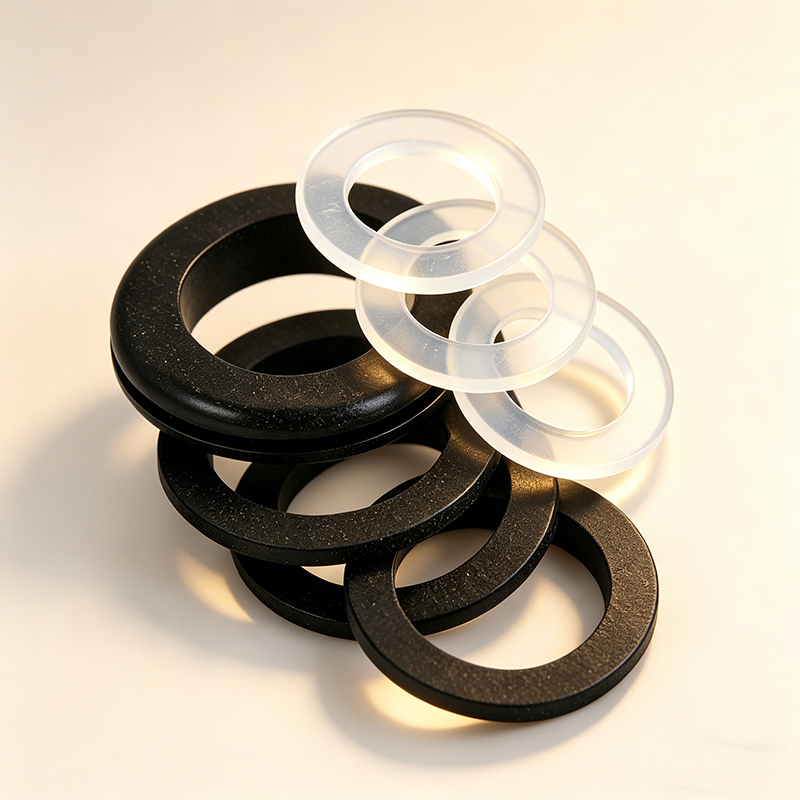
For high-temperature applications8, material selection becomes critical. Silicone rubber stands out as the most versatile option. We manufacture silicone gaskets9 that maintain flexibility and sealing capability up to 200°C continuously, with short-term exposure capability to 250°C.
Fluorocarbon (FKM/Viton) materials handle even higher temperatures, up to 250°C continuously. These materials cost more but provide exceptional performance in demanding applications. I recommend them for automotive engine applications, industrial ovens, and chemical processing equipment.
EPDM7 offers excellent high-temperature performance up to 150°C at a lower cost than silicone. This makes it ideal for automotive cooling systems, industrial machinery, and outdoor applications where heat resistance matters.
Here's how different materials compare for high-temperature service:
| Material | Continuous Temp | Short-term Temp | Best Applications |
|---|---|---|---|
| Silicone | 200°C | 250°C | Electronics, medical devices |
| FKM/Viton | 250°C | 300°C | Chemical processing, aerospace |
| EPDM7 | 150°C | 175°C | Automotive, industrial equipment |
| NBR | 120°C | 140°C | General purpose, moderate heat |
Cold Weather Solutions
Cold temperature applications require materials that maintain flexibility below freezing. Silicone again leads the pack with reliable performance down to -60°C. This makes it essential for aerospace applications, Arctic equipment, and refrigeration systems.
EPDM7 handles cold well, maintaining elasticity down to -45°C. For most industrial applications, this range covers winter operating conditions effectively. NBR becomes limited below -30°C, making it unsuitable for outdoor winter use in northern climates.
How Do You Match Material Properties to Your Application?
Successful gasket selection requires analyzing your complete operating environment, not just peak temperatures.
Consider continuous operating temperature, peak temperature excursions, thermal cycling frequency, and chemical compatibility10 when selecting gasket materials2 to ensure long-term reliability and performance.
Temperature Cycling Considerations
Many applications involve temperature cycling11 rather than steady-state conditions. This creates additional stress on gasket materials2 through repeated expansion and contraction. I've seen gaskets fail from thermal cycling even when peak temperatures stayed within the material's rated range.
Silicone handles thermal cycling exceptionally well due to its stable polymer structure. EPDM7 also performs well under cycling conditions. NBR shows more degradation under repeated thermal stress, especially when combined with chemical exposure.
The rate of temperature change matters too. Rapid heating or cooling creates thermal shock that can crack brittle materials. We design gaskets with appropriate thickness and shore hardness to accommodate thermal expansion without losing seal integrity.
Chemical Compatibility at Temperature
Temperature amplifies chemical compatibility10 issues. A material that resists a chemical at room temperature might fail rapidly when that same chemical is heated. This combination effect often surprises engineers who test compatibility only at ambient conditions.
Oil resistance decreases significantly at elevated temperatures. NBR gaskets5 that work fine with hydraulic oil at 50°C might swell and fail at 100°C with the same oil. We always recommend testing material compatibility at actual operating temperatures.
Safety Factors and Design Margins
I always recommend building safety margins12 into temperature ratings. If your application reaches 150°C, specify gaskets rated for at least 175°C. This accounts for hot spots, measurement uncertainties, and unexpected temperature excursions.
Design margins also compensate for aging effects. A new gasket might handle your peak temperature, but after months of service, degradation reduces its temperature capability. Starting with higher-rated materials ensures long-term reliability.
Conclusion
Matching gasket materials2 to operating temperatures prevents costly failures and ensures reliable long-term performance in your applications.
Understanding operating temperature is crucial for selecting the right gasket material, ensuring optimal performance and longevity. ↩
Explore the best gasket materials to ensure reliability and performance in various temperature conditions. ↩
Learn about the common causes of seal failure to prevent costly downtime and enhance system reliability. ↩
Find strategies to optimize gasket performance across varying temperatures for enhanced reliability. ↩
Understanding the limitations of NBR gaskets can help in selecting better alternatives for high-temperature applications. ↩
Discover how thermal degradation affects gasket performance and how to choose materials that resist it. ↩
Explore the advantages of EPDM gaskets for various applications, especially in automotive and industrial settings. ↩
Find out which materials excel in high-temperature environments to ensure safety and efficiency. ↩
Learn why silicone gaskets are preferred for extreme temperature applications and their unique properties. ↩
Explore the relationship between temperature and chemical compatibility to avoid material failures. ↩
Learn about temperature cycling and its effects on gasket integrity to improve application reliability. ↩
Discover the importance of safety margins in ensuring long-term reliability and performance of gaskets. ↩