

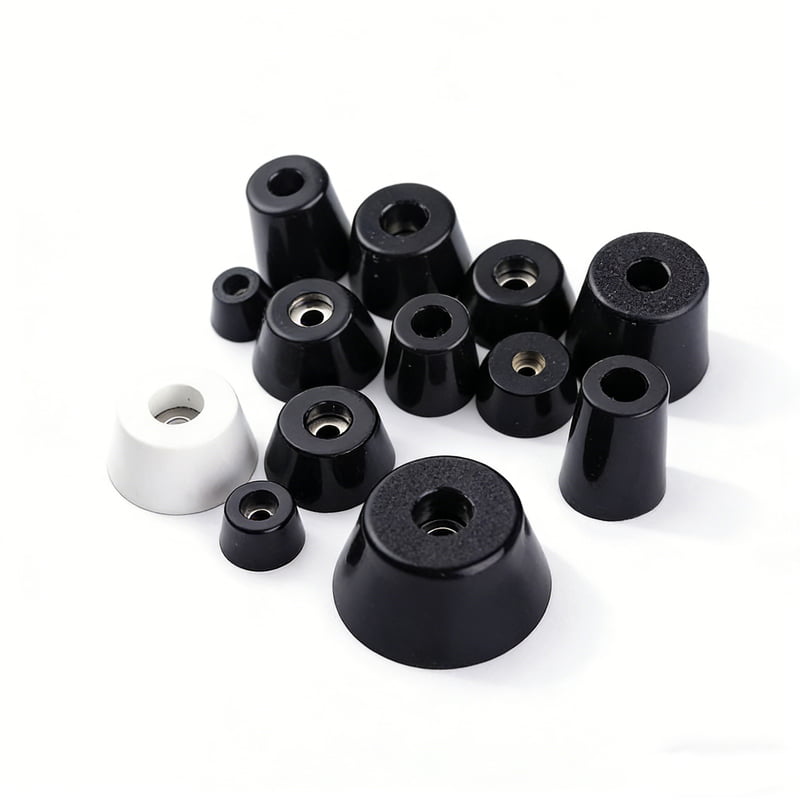
Equipment vibration can destroy your machinery faster than you think. Poor mount selection1 leads to costly downtime and repairs that could have been prevented.
Vibration and shock mounts are critical components that protect equipment from damaging vibrations and impacts. The right mount reduces wear, extends equipment life, and prevents costly failures by absorbing and isolating mechanical forces that would otherwise damage sensitive components.
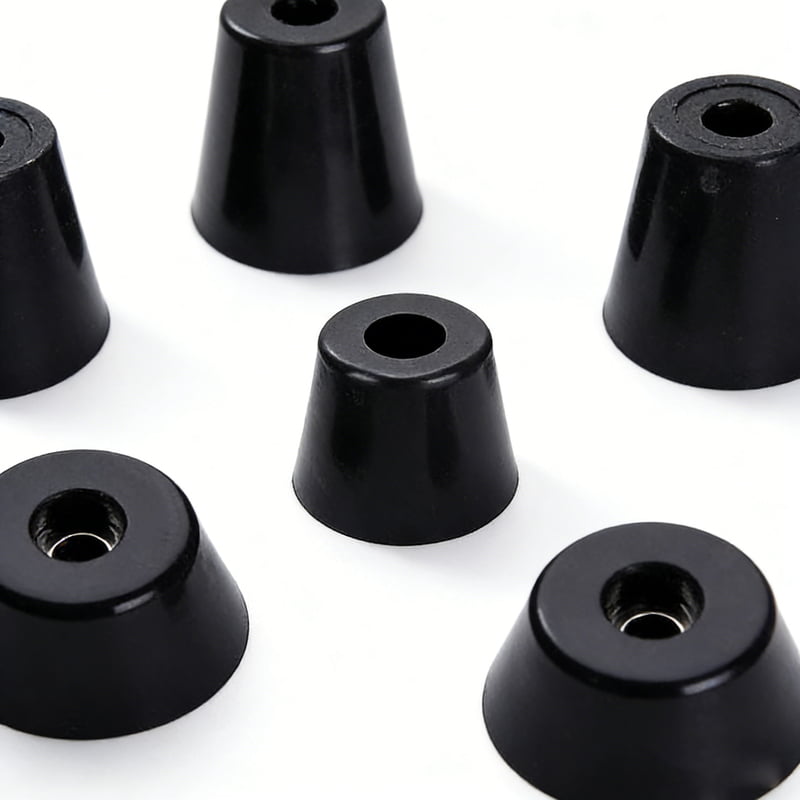
I have seen too many companies make expensive mistakes with mount selection1. Let me share what I have learned from 27 years in this industry to help you avoid these costly errors.
What Are the Most Common Mistakes When Selecting Vibration Mounts?
Many engineers focus only on load capacity2. They forget about frequency matching3 and environmental factors4 that can make or break their equipment protection.
The biggest mistake is choosing mounts based on weight alone without considering vibration frequency, environmental conditions, and equipment dynamics. This mismatch leads to inadequate vibration control5 and premature equipment failure.
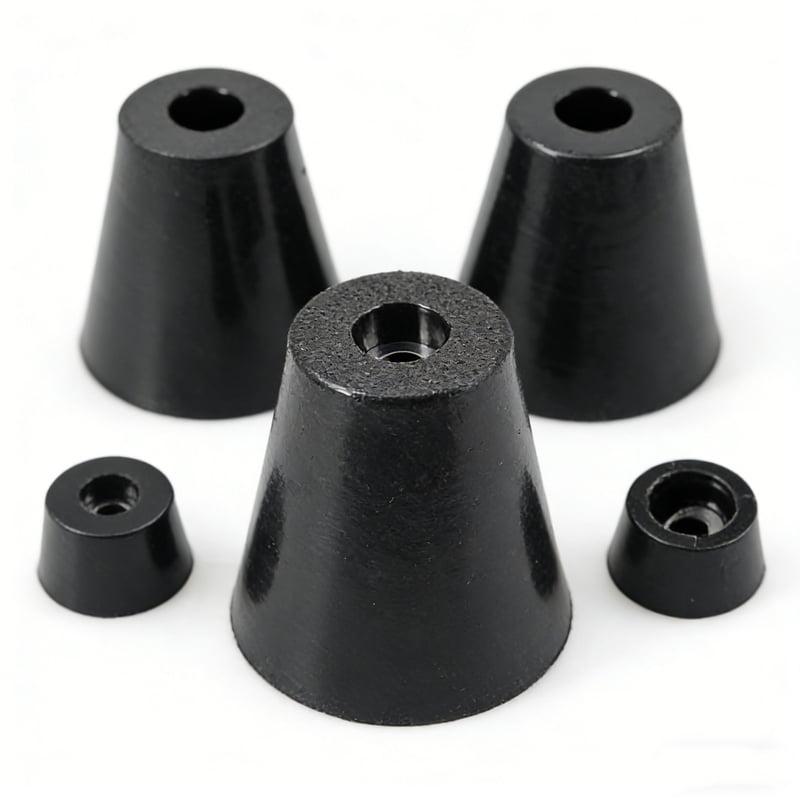
I once worked with an industrial equipment company that selected standard rubber mounts6 for high-frequency vibrating machinery. They thought rubber would handle everything because it worked for their other equipment. Within six months, their precision components started failing. The vibration was actually amplifying instead of reducing.
The problem was frequency mismatch. Rubber mounts work well for low-frequency vibrations, typically below 10 Hz. But this equipment operated at much higher frequencies where rubber mounts6 become ineffective. They needed spring mounts7 designed for high-frequency isolation.
Here is what I see companies get wrong most often:
| Common Mistake | Why It Happens | Real Cost |
|---|---|---|
| Wrong frequency range | Focus only on weight capacity | Equipment damage, downtime |
| Ignoring environment | Standard specs without site conditions | Premature mount failure |
| Oversizing mounts | "Bigger is better" thinking | Poor isolation, resonance issues |
| Undersizing mounts | Cost cutting on specifications | Mount failure, safety risks |
Another case involved a client who installed oversized mounts thinking they would provide better protection. The mounts were too stiff for the application. Instead of isolating vibration, they transmitted it directly to the foundation. Their "solution" became the problem.
How Do You Match Mount Type to Your Specific Vibration Requirements?
Different mount types handle different vibration patterns. Spring mounts excel at high frequencies while rubber mounts6 work best for low frequencies and impact loads.
Match mount natural frequency to equipment operating frequency for optimal isolation. Spring mounts work best above 20 Hz, rubber mounts6 handle 5-15 Hz effectively, and combination mounts8 cover broader frequency ranges with built-in damping.


Let me break down the main mount types and their best applications:
Spring Mounts work best for high-frequency equipment like fans, pumps, and compressors. The steel springs provide excellent isolation at frequencies above their natural frequency. I recommend spring mounts7 when your equipment operates above 20 Hz consistently.
Rubber Mounts handle low-frequency vibrations and shock loads effectively. They provide good damping characteristics and work well for equipment with intermittent operation or varying loads. Rubber works best below 15 Hz and provides excellent shock absorption.
Combination Mounts use springs with rubber elements to provide both isolation and damping. These work well for equipment with wide frequency ranges or when you need both vibration isolation and shock protection.
Here is how I help clients choose the right type:
| Equipment Type | Frequency Range | Recommended Mount | Key Benefit |
|---|---|---|---|
| HVAC fans | 20-60 Hz | Spring mounts | High-frequency isolation |
| Diesel generators | 5-25 Hz | Combination mounts | Broad frequency coverage |
| Impact equipment | Variable | Rubber mounts | Shock absorption |
| Precision machinery | 10-100 Hz | Engineered mounts | Custom frequency tuning |
The key is understanding your equipment's vibration signature9. I always ask clients to provide operating frequency data or we can help measure it. Without this information, mount selection1 becomes guesswork.
Material selection also matters greatly. Standard rubber works for most indoor applications, but outdoor equipment needs weather-resistant compounds. Chemical environments require specialized materials like EPDM or silicone. High-temperature applications need mounts that maintain their properties at operating temperatures.
What Environmental Factors Should You Consider for Long-Term Performance?
Environmental conditions can destroy even the best mounts if you do not plan for them. Temperature, chemicals, and weather exposure10 require specific material choices.
Environmental factors like temperature extremes11, chemical exposure12, UV radiation, and moisture determine mount material and design requirements. Ignoring these factors leads to premature failure and unexpected replacement costs.
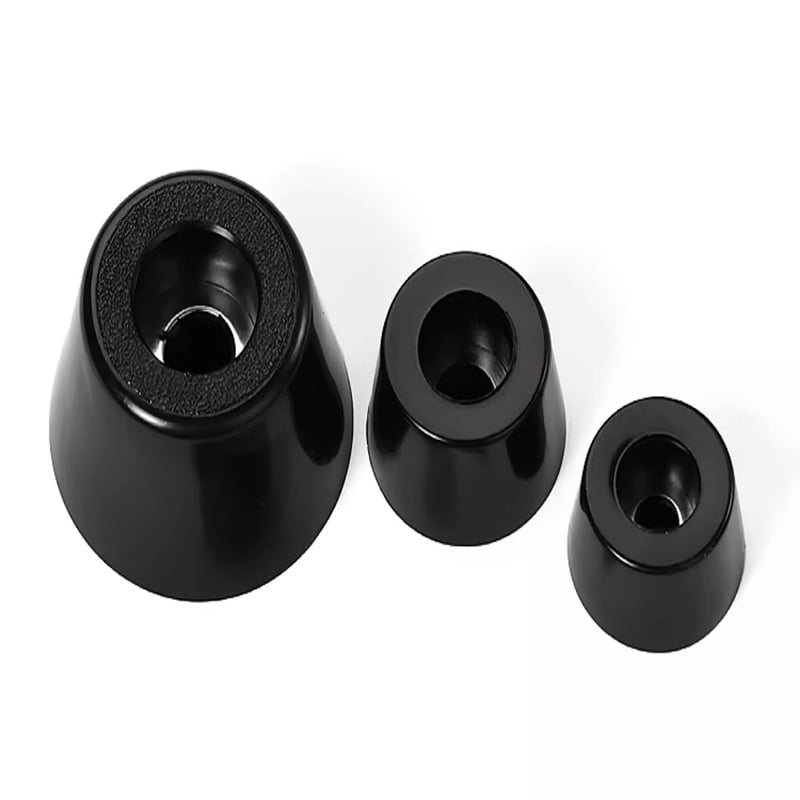
I learned this lesson early in my career. A client installed standard rubber mounts6 on outdoor equipment in a coastal environment. The salt air and UV exposure degraded the rubber within two years. We had to replace everything with marine-grade materials.
Temperature is often the biggest factor. Standard rubber compounds lose their elasticity in cold weather and become brittle. In hot environments, they soften and lose their load-bearing capacity. I have seen mounts fail completely in desert installations because the rubber literally melted.
Here are the environmental factors4 I always evaluate:
Temperature Range affects material selection more than any other factor. Standard rubber works from -20°C to 80°C. Beyond these limits, you need specialized compounds. Silicone maintains flexibility to -50°C and can handle temperatures up to 200°C. For extreme heat, metal spring mounts7 with high-temperature elastomers work best.
Chemical Exposure requires careful material matching. Standard rubber degrades quickly when exposed to oils, solvents, or acids. NBR (nitrile) rubber resists oils and fuels. EPDM handles acids and bases well. Silicone provides excellent chemical resistance across a wide range of substances.
Weather Exposure demands UV-resistant materials and proper drainage design. Outdoor mounts need covers or housings to protect against direct sunlight and rain. Water pooling around mounts accelerates corrosion and material degradation.
Vibration Environment beyond the equipment itself matters too. Foundation conditions, nearby equipment, and seismic activity all affect mount performance. Soft foundations may require different mount designs than concrete slabs.
I always recommend site surveys for critical applications. Understanding the complete environment helps us specify mounts that will last the equipment's full service life. This upfront investment prevents costly emergency replacements and downtime.
How Do You Ensure Proper Installation and Maintenance for Maximum Effectiveness?
Perfect mounts mean nothing if installation is wrong. Poor installation practices13 can completely eliminate vibration isolation and create new problems.
Proper installation requires level mounting surfaces, correct preload settings14, and alignment verification15. Regular inspection schedules and replacement criteria ensure continued performance throughout the mount's service life.
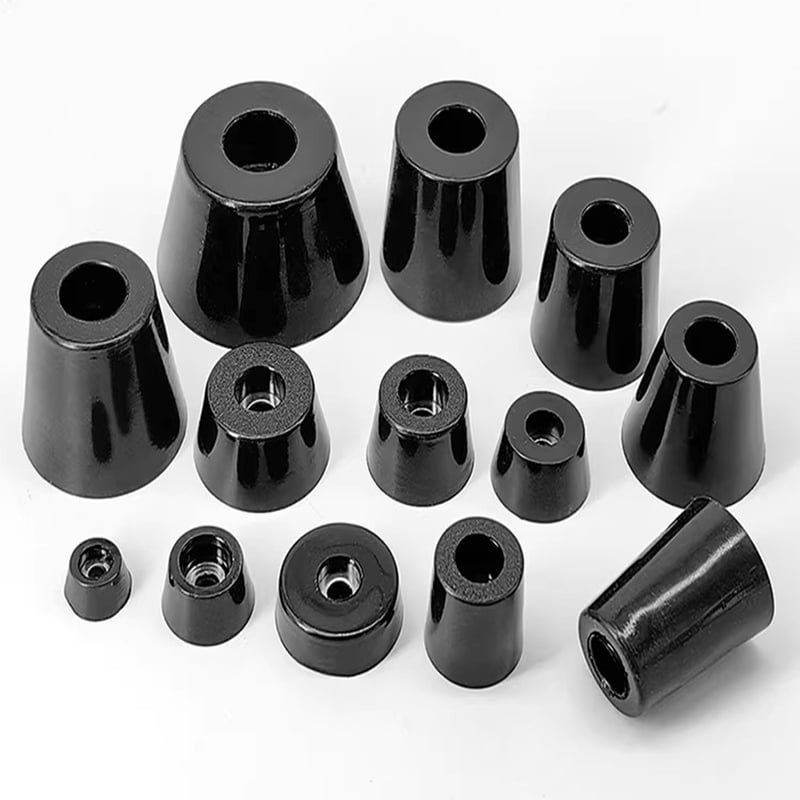
Installation errors cause more mount failures than material problems. I have seen expensive spring mounts7 installed with metal-to-metal contact that bypassed all isolation. Simple mistakes like uneven surfaces or incorrect bolt torque can ruin the best-designed mounting system.
Foundation Preparation is critical for success. The mounting surface must be level, clean, and properly sized. Uneven surfaces create stress concentrations that lead to premature failure. We provide detailed installation drawings showing required surface flatness and bolt hole locations.
Preload Settings affect mount performance significantly. Under-preloaded mounts allow excessive movement and wear. Over-preloaded mounts become too stiff and lose their isolation effectiveness. Each mount type has specific preload requirements that must be followed exactly.
Alignment Verification ensures all mounts share the load equally. Misaligned equipment creates uneven loading that can overload individual mounts. We recommend checking alignment during installation and periodically during operation.
Here is my recommended maintenance schedule16:
| Inspection Item | Frequency | What to Check | Action Required |
|---|---|---|---|
| Visual condition | Monthly | Cracks, wear, displacement | Replace if damaged |
| Bolt torque | Quarterly | Proper tightness | Re-torque to specification |
| Alignment | Semi-annually | Equipment level, mount loading | Adjust as needed |
| Performance | Annually | Vibration levels, mount deflection | Full system evaluation |
Documentation helps track mount performance over time. I recommend keeping installation records, inspection logs, and vibration measurements. This data helps predict replacement timing and improve future mount selection1s.
Replacement Planning should happen before failure occurs. Most mounts show warning signs like increased vibration, visible wear, or performance degradation. Having replacement mounts in stock prevents emergency downtime when problems develop.
Training your maintenance team on proper inspection techniques pays dividends. They can spot problems early and take corrective action before equipment damage occurs. We provide training materials and support to help your team maintain optimal mount performance.
Conclusion
Choosing the right vibration and shock mounts17 requires understanding your equipment's frequency characteristics, environmental conditions, and proper installation practices13 to ensure long-term protection and performance.
Learn the critical factors in selecting the right mount to avoid costly mistakes. ↩
Find out why load capacity is just one of many factors in mount selection. ↩
Understand the importance of frequency matching for effective vibration control. ↩
Discover how environmental conditions impact the performance of vibration mounts. ↩
Explore effective strategies for controlling vibration in industrial settings. ↩
Discover the advantages of rubber mounts for low-frequency vibrations. ↩
Learn about the benefits and applications of spring mounts for high-frequency equipment. ↩
Understand how combination mounts provide both isolation and damping. ↩
Learn how understanding vibration signatures aids in proper mount selection. ↩
Discover the importance of weather-resistant materials for outdoor applications. ↩
Explore how temperature impacts the material selection for vibration mounts. ↩
Learn about materials that withstand chemical exposure for long-lasting mounts. ↩
Learn the essential installation practices to ensure effective vibration isolation. ↩
Explore the significance of preload settings for effective mount performance. ↩
Learn the importance of alignment verification for even load distribution. ↩
Find out how to maintain vibration mounts for optimal performance. ↩
Explore how vibration and shock mounts protect machinery and enhance performance. ↩