

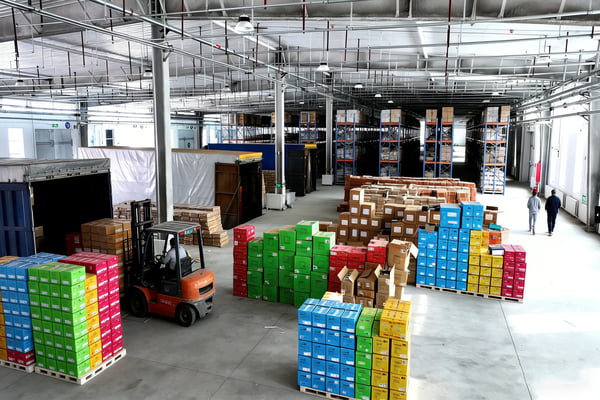
Finding the right rubber extrusion manufacturer can make or break your project. Many companies face costly delays and quality issues because they overlook critical compatibility factors.
The key to successful rubber extrusion partnerships lies in ensuring perfect alignment between materials, processes, and your specific application requirements. This compatibility determines product performance, durability, and long-term reliability.
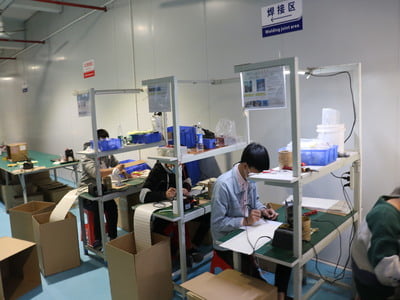
Selecting the wrong manufacturer can lead to production delays, substandard quality, and products that fail in real-world applications. Let me share insights from our 27 years in rubber manufacturing to help you avoid common pitfalls.
What Are the Most Common Mistakes When Selecting Rubber Extrusion Manufacturers?
Many buyers focus solely on price and delivery times. This narrow approach often leads to disappointing results and unexpected costs down the line.
The biggest mistake is choosing manufacturers who cannot match the right materials with appropriate processing techniques for your specific application. This mismatch causes premature product failure and performance issues.


I once worked with a client who needed custom rubber sealing strips for industrial equipment. They selected a manufacturer based on competitive pricing alone. The manufacturer used standard NBR rubber with basic extrusion processes. While the initial products met dimensional specifications, they failed prematurely in the field due to poor chemical resistance and inadequate temperature stability.
The root problem was material-process incompatibility. Different rubber compounds require specific processing parameters to achieve optimal properties. NBR rubber needs precise temperature control and curing conditions to develop proper chemical resistance. The chosen manufacturer lacked this specialized knowledge and equipment.
This failure resulted in equipment leaks, production downtime, and emergency replacement costs that far exceeded the initial savings. The client eventually switched to our facility, where we matched EPDM rubber with appropriate vulcanization processes for their chemical exposure requirements.
The lesson here is clear: technical expertise matters more than initial cost savings. Manufacturers must understand how material selection impacts processing requirements and final product performance in your specific application environment.
How Do You Evaluate Technical Capabilities and Material Expertise?
Technical capabilities separate competent manufacturers from those who simply push rubber through machines. You need partners who understand the science behind rubber formulation and processing.
Look for manufacturers who can explain material selection rationale, processing parameter optimization, and quality control measures specific to your application requirements. This technical depth ensures consistent product performance.
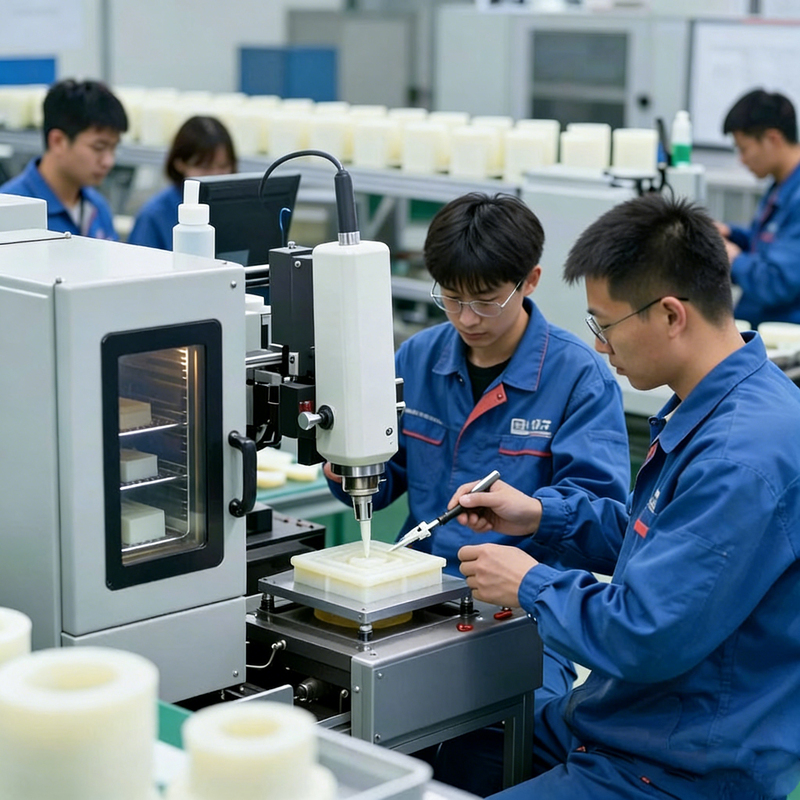
Start by evaluating their material knowledge. Can they explain why EPDM works better than NBR for your weather sealing application? Do they understand how Shore hardness affects compression set resistance? Can they recommend specific compounds for your temperature and chemical exposure requirements?
Processing expertise is equally critical. Different rubber types require different extrusion parameters. Silicone rubber needs lower processing temperatures than EPDM. NBR requires specific screw designs for optimal mixing. Manufacturers should demonstrate understanding of these technical nuances.
Quality systems reveal operational maturity. Look for ISO 9001 certification, documented process controls, and statistical quality monitoring. Ask about batch traceability, material certificates, and testing capabilities. We maintain comprehensive records for every production run, including material lot numbers, processing parameters, and quality test results.
Engineering support capabilities indicate partnership potential. Can they provide CAD modeling assistance? Do they offer design reviews and tolerance analysis? Can they suggest design modifications to improve manufacturability? Our engineering team regularly collaborates with clients on design optimization and material selection.
Prototyping capabilities allow validation before full production. Quick turnaround on sample parts lets you verify fit, function, and performance early in the development process. We typically deliver prototype samples within 5-7 days for most standard geometries.
What Quality Standards and Certifications Should You Require?
Quality standards provide measurable benchmarks for evaluating manufacturer capabilities. These certifications indicate systematic approaches to quality management and continuous improvement.
ISO 9001 certification is the minimum requirement, but look for additional industry-specific certifications like IATF 16949 for automotive applications or ISO 13485 for medical devices, depending on your industry.
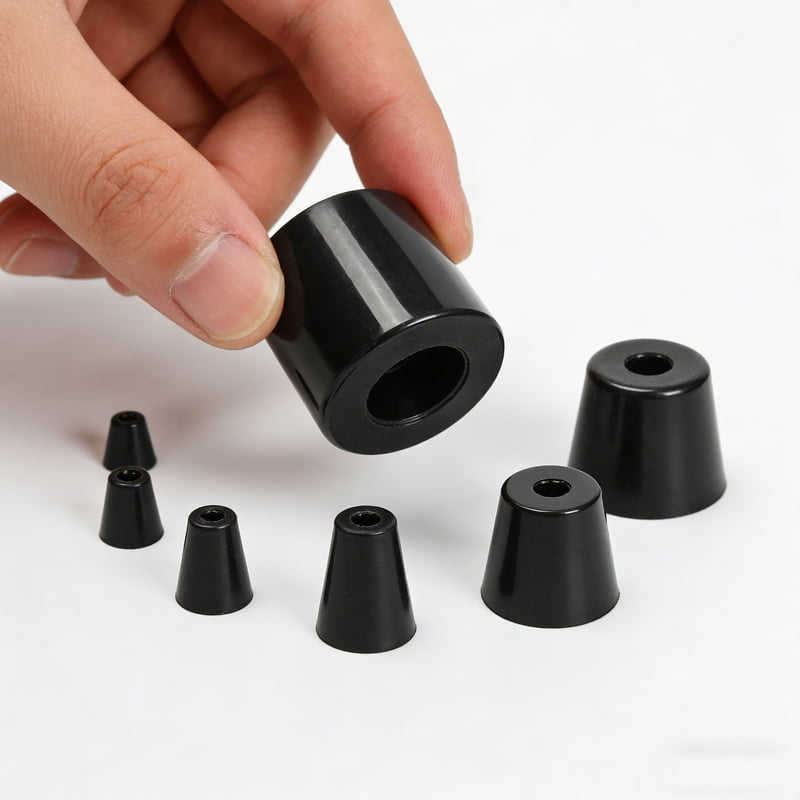
ISO 9001 establishes fundamental quality management principles: customer focus, process approach, and continuous improvement. Certified manufacturers maintain documented procedures, conduct regular audits, and track quality metrics systematically.
Industry-specific standards add specialized requirements. IATF 16949 emphasizes defect prevention, variation reduction, and waste minimization for automotive suppliers. ISO 13485 focuses on risk management and regulatory compliance for medical device manufacturers.
Material compliance certifications ensure regulatory conformance. RoHS compliance is essential for electronic applications. REACH compliance is required for European markets. FDA approval is necessary for food-contact applications. We maintain current certifications for all these standards.
Testing capabilities validate product performance. Look for manufacturers with in-house testing laboratories or partnerships with accredited testing facilities. Common tests include tensile strength, elongation, hardness, compression set, and environmental resistance testing.
Documentation standards support traceability and quality assurance. Manufacturers should provide material certificates, dimensional inspection reports, and test data packages with each shipment. This documentation supports your quality systems and regulatory compliance requirements.
Supplier auditing programs demonstrate commitment to supply chain quality. Regular audits of raw material suppliers ensure consistent input quality. We audit our material suppliers annually and maintain approved vendor lists with documented performance metrics.
How Do Processing Capabilities Impact Product Quality and Cost?
Processing capabilities directly influence both product quality and manufacturing costs. Advanced processing equipment enables tighter tolerances, better surface finishes, and more complex geometries.
Modern extrusion lines with precise temperature control, automated dimensional monitoring, and in-line quality testing deliver superior products with lower rejection rates and reduced total costs.
Extrusion line sophistication affects product consistency. Basic extruders with manual controls produce variable results. Advanced systems with programmable logic controllers maintain precise temperature profiles, screw speeds, and line speeds throughout production runs.
Temperature control precision impacts material properties. Rubber compounds are temperature-sensitive. Variations of just a few degrees can affect cure rates, physical properties, and dimensional stability. Our extrusion lines maintain temperature control within ±2°C across all heating zones.
Dimensional monitoring systems catch variations before they become quality issues. Laser micrometers continuously measure extruded profiles and automatically adjust line speeds to maintain specifications. This real-time control reduces waste and ensures consistent dimensions.
Secondary processing capabilities expand design possibilities. Post-extrusion operations like punching, cutting, bonding, and assembly allow complex part geometries. We offer complete secondary processing including precision cutting, hole punching, and multi-material bonding.
Tooling design and manufacturing capabilities affect lead times and costs. In-house tooling departments can modify dies quickly for design changes or new products. We maintain a complete tool room with CNC machining capabilities for rapid die modifications and new tool production.
Production capacity and flexibility determine delivery capabilities. Look for manufacturers with multiple production lines and flexible scheduling systems. Our facility operates multiple extrusion lines with different capabilities, allowing optimal matching of products to equipment specifications.
What Should You Know About Lead Times and Production Scheduling?
Lead times and production scheduling directly impact your project timelines and inventory costs. Understanding manufacturer capabilities and limitations helps set realistic expectations and avoid costly delays.
Typical lead times range from 2-3 weeks for standard products to 6-8 weeks for custom tooling and complex geometries. However, experienced manufacturers with in-house tooling capabilities can often reduce these timelines significantly.
Tooling lead times often drive overall project timelines. Standard extrusion dies typically require 2-3 weeks for manufacturing. Complex profiles or custom geometries may need 4-6 weeks. Our in-house tool room reduces these timelines by 30-40% compared to outsourced tooling.
Production scheduling flexibility accommodates varying demand patterns. Look for manufacturers who can handle both small prototype quantities and large production runs efficiently. We maintain flexible scheduling systems that can accommodate rush orders while maintaining delivery commitments to existing customers.
Material availability affects production scheduling. Common compounds like EPDM and NBR are readily available. Specialty materials or custom formulations may require longer procurement times. We maintain strategic inventory of common materials to minimize scheduling delays.
Quality validation time must be factored into schedules. First article inspection, material testing, and dimensional verification add time to initial production runs. However, this validation prevents quality issues that could cause much longer delays later.
Seasonal demand patterns impact scheduling in many industries. Automotive and construction applications often have seasonal peaks. Planning production schedules around these patterns helps ensure capacity availability when needed.
Communication systems keep projects on track. Regular updates on production progress, potential delays, and shipping schedules help you manage your own production planning. We provide weekly production updates and immediate notification of any schedule changes.
Conclusion
Choosing the right rubber extrusion manufacturer requires evaluating technical capabilities, quality systems, and production flexibility beyond just price considerations. Focus on material expertise and process compatibility for long-term success.