

You're planning a project that needs custom rectangular bellows1, but you're worried about making costly mistakes that could derail your timeline and budget.
The biggest trap in custom rectangular bellows1 projects is choosing the wrong material. This single decision affects durability, sealing performance, and environmental compatibility. Getting it right from the start saves time, money, and prevents system failures.
After 27 years in the rubber and plastics industry, I've seen too many projects stumble because teams overlooked critical material considerations. Let me share what I've learned so you can avoid these expensive mistakes.
Why Does Material Selection Make or Break Your Rectangular Bellows Project?
Many engineers assume all bellows materials perform similarly, but this thinking leads to project disasters and safety risks.
Different materials have vastly different temperature ranges2, chemical resistance3, and flexibility characteristics4. Silicone handles extreme temperatures while EPDM excels in outdoor applications. Choosing incorrectly causes premature failure, leaks, and system downtime.
I remember a client who selected PVC bellows for a high-temperature automotive application. Within three months, the bellows cracked and failed, causing expensive warranty claims. The root cause? They needed silicone but chose based on initial cost rather than performance requirements.
Material selection affects more than just temperature tolerance. Consider these critical factors:
| Material | Temperature Range | Chemical Resistance | UV Resistance | Flexibility | Best Applications |
|---|---|---|---|---|---|
| Silicone | -60°C to 250°C | Excellent | Excellent | High | Medical, automotive, aerospace |
| EPDM | -40°C to 150°C | Good | Excellent | Medium | Outdoor, HVAC, construction |
| NBR | -30°C to 120°C | Excellent (oils) | Poor | Medium | Industrial, hydraulic systems |
| Natural Rubber | -50°C to 80°C | Poor | Poor | Very High | General purpose, low cost |
Your operating environment dictates material choice. High temperatures demand silicone. Chemical exposure requires NBR or specialized compounds. Outdoor applications need UV-resistant EPDM. Cost-sensitive projects might use natural rubber if conditions allow.
What Design Specifications Should You Never Compromise On?
Design shortcuts in rectangular bellows create expensive problems that multiply throughout your project lifecycle.
Critical specifications include wall thickness5, convolution depth6, mounting flange design7, and movement range8. Compromising on these parameters leads to premature wear, inadequate sealing, or mechanical failure under normal operating conditions.
Wall thickness directly impacts durability and pressure resistance. Too thin, and your bellows tears under normal stress. Too thick, and flexibility suffers, creating binding and premature fatigue. The sweet spot depends on your specific application requirements.
Convolution design affects both flexibility and lifespan. Shallow convolutions limit movement range8. Deep convolutions may create stress concentration points. Your supplier should calculate optimal convolution geometry based on your movement requirements and cycle life expectations.
Mounting considerations often get overlooked until installation. Standard bolt patterns might not match your equipment. Custom flange designs add cost but ensure proper fit and sealing. Consider access requirements for maintenance and replacement when specifying mounting details.
Movement range specifications must account for thermal expansion, vibration, and operational displacement. Under-specifying movement capability leads to premature failure. Over-specifying increases cost and size unnecessarily. Work with your supplier to calculate actual movement requirements including safety margins.
How Do You Choose the Right Manufacturing Partner for Custom Bellows?
Selecting the wrong manufacturing partner9 creates quality issues, delivery delays, and ongoing support problems that affect your entire project.
Look for manufacturers with in-house tooling capabilities, comprehensive material options, quality certifications10, and proven experience in your industry. Avoid suppliers who outsource critical processes or lack technical support capabilities.
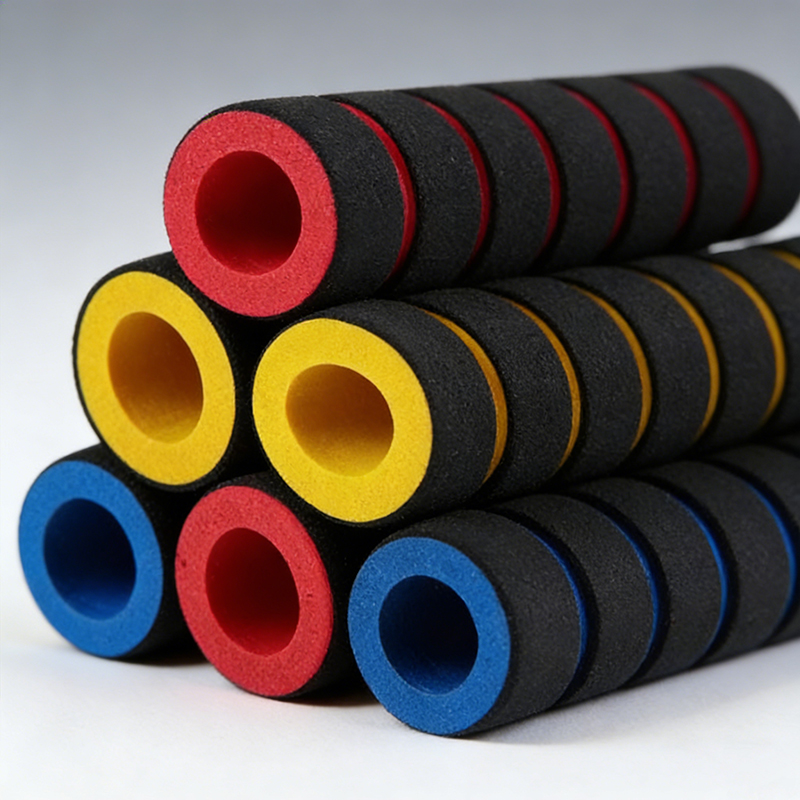
In-house tooling capability separates professional manufacturers from brokers. When you need modifications or have quality issues, direct access to tooling engineers speeds resolution. Outsourced tooling creates communication delays and quality control challenges.
Material sourcing affects both quality and lead times. Suppliers with established material relationships provide consistent quality and better pricing. They also offer alternative materials when your first choice faces supply constraints.
Quality systems matter more for custom products than standard items. ISO 9001 certification indicates systematic quality management. Ask about batch traceability, incoming inspection procedures, and final testing protocols. Request sample test reports to verify their quality documentation capabilities.
Technical support distinguishes great suppliers from order-takers. Can they review your specifications for potential issues? Do they offer design optimization suggestions? Will they provide CAD files and technical drawings? Strong technical support prevents problems and accelerates your development timeline.
Consider these supplier evaluation criteria:
- In-house mold design and manufacturing capabilities
- Multiple material options with certified test data
- Quality management system certification
- Industry-specific experience and references
- Technical support and engineering services
- Prototype and small-batch production capabilities
- Global shipping and logistics coordination
What Testing and Validation Steps Prevent Field Failures?
Skipping proper testing creates expensive field failures and customer complaints that damage your reputation and profitability.
Essential testing includes dimensional verification11, pressure testing12, temperature cycling, and accelerated aging13. Each test validates specific performance characteristics and identifies potential failure modes before production deployment.


Dimensional verification ensures your bellows fit properly and function as designed. Coordinate measuring machines provide precise measurements of critical dimensions. Out-of-tolerance parts create assembly problems and performance issues.
Pressure testing validates sealing performance and structural integrity. Hydrostatic testing uses water pressure to check for leaks without material damage. Pneumatic testing simulates actual operating conditions but requires careful safety protocols.
Temperature cycling reveals thermal expansion issues and material compatibility problems. Rapid temperature changes stress material bonds and reveal potential failure points. Extended temperature exposure validates long-term material stability.
Accelerated aging testing predicts service life under accelerated conditions. UV exposure, ozone testing, and thermal aging simulate years of service in compressed timeframes. This testing identifies materials that might fail prematurely in service.
Fatigue testing validates cycle life expectations. Automated test equipment cycles bellows through specified movements while monitoring for wear or failure. This testing confirms design calculations and identifies optimization opportunities.
Document all testing results for future reference and customer requirements. Test reports support quality certifications10 and provide baseline data for future improvements.
Conclusion
Successful custom rectangular bellows1 projects require careful material selection14, precise specifications, qualified suppliers, and thorough testing to avoid costly failures and delays.
Explore this resource to learn essential design practices that ensure your custom rectangular bellows meet performance and durability standards. ↩
This resource details the temperature ranges of various materials, helping you choose the right one for your application. ↩
Explore this link to find out which materials provide superior chemical resistance for your specific needs. ↩
Learn about flexibility characteristics that can affect the performance of your bellows in different applications. ↩
This resource explains the importance of wall thickness in bellows design and its impact on durability and performance. ↩
Discover how convolution depth influences flexibility and lifespan in bellows, ensuring optimal design. ↩
This link provides essential considerations for mounting flange design, ensuring proper fit and sealing. ↩
Learn how to accurately specify movement range to prevent premature failure in your bellows. ↩
This resource outlines key criteria for selecting a reliable manufacturing partner to ensure quality and support. ↩
Explore the importance of quality certifications in ensuring the reliability and performance of custom bellows. ↩
This resource explains the process of dimensional verification and its importance in ensuring proper fit and function. ↩
Discover the methods and importance of pressure testing in validating the performance of your bellows. ↩
Learn how accelerated aging testing can predict service life and identify potential material failures. ↩
Understanding material selection is crucial; this link provides insights into how different materials affect bellows functionality. ↩