

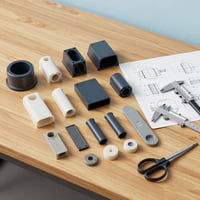
Finding the right custom rubber moulding service feels overwhelming. You need precision, reliability, and expertise all in one package.
Custom rubber moulding service provides end-to-end solutions from design to production, creating precise rubber components tailored to your specific applications across electronics, automotive, and industrial sectors.
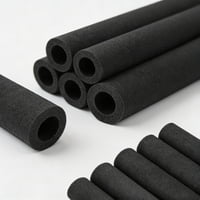
After 27 years in this industry, I have seen countless projects succeed and fail. The difference often comes down to choosing the right partner who understands both your technical needs and business goals.
What Makes Custom Rubber Moulding Different from Standard Solutions?
Standard rubber parts rarely fit perfectly. Your application demands something unique, something that works exactly as intended.
Custom rubber moulding creates components designed specifically for your application, offering precise dimensions, material properties, and performance characteristics that off-the-shelf products cannot match.
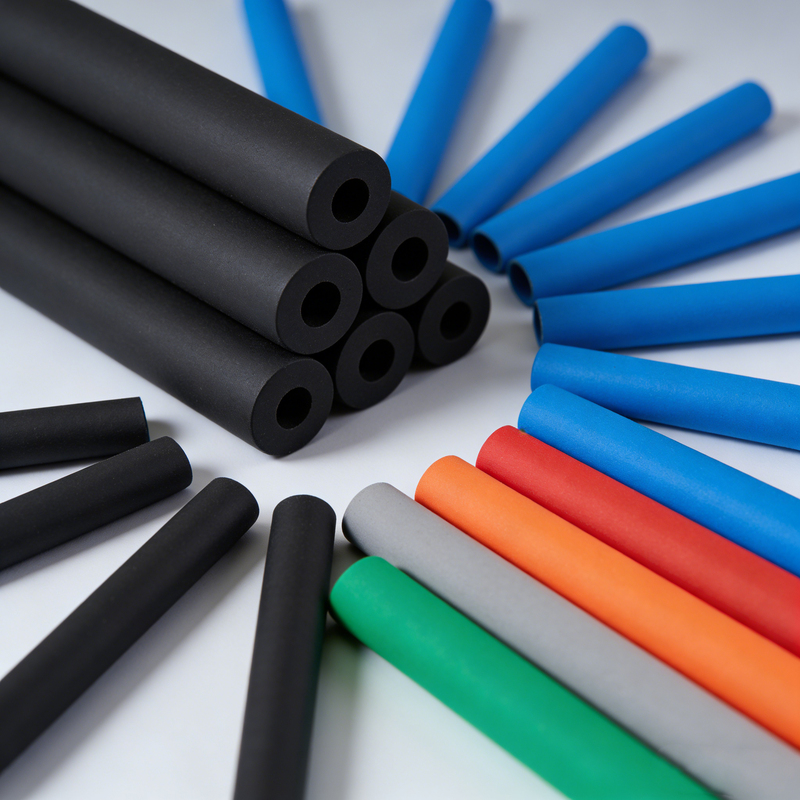
The Real Value of Customization
I remember working with an electronics manufacturer who struggled with vibration issues in their equipment. Standard rubber mounts just did not work. We designed custom rubber mounts with specific durometer ratings and geometric features that eliminated the vibration completely. The difference was remarkable.
Custom moulding allows us to control every aspect of your component. We can adjust the material hardness, add specific textures, create complex geometries, and ensure perfect dimensional accuracy. This level of control translates into better performance, longer life, and lower total cost of ownership.
The manufacturing process itself differs significantly. We start with your exact specifications and work backward to create the optimal mould design. This approach ensures that every component meets your requirements from the first production run.
| Aspect | Standard Parts | Custom Moulding |
|---|---|---|
| Fit | Approximate | Exact |
| Material Options | Limited | Unlimited |
| Performance | Generic | Optimized |
| Lead Time | Immediate | Planned |
| Cost per Unit | Lower | Competitive |
| Total Value | Basic | Maximum |
How Do You Choose the Right Materials for Your Custom Application?
Material selection makes or breaks your project. I have seen too many failures caused by choosing the wrong rubber compound for the application.
Material selection depends on operating temperature, chemical exposure, mechanical stress, and regulatory requirements. Silicone works for high temperatures, EPDM for weather resistance, and NBR for oil resistance.
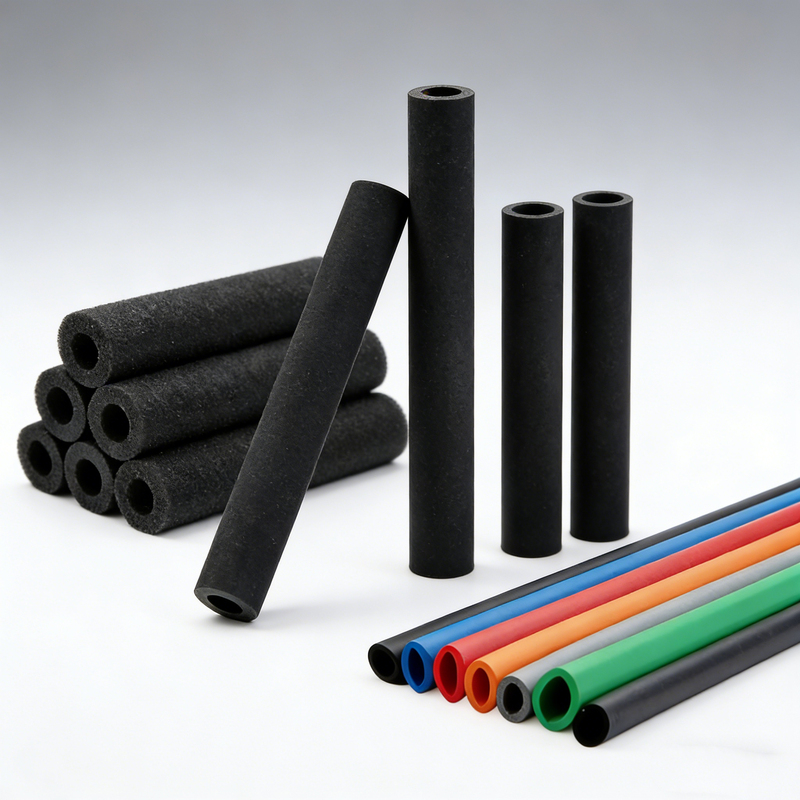
Common Material Selection Mistakes
One client needed custom sealing gaskets for their chemical processing equipment. They initially wanted to use standard EPDM because it was cheaper. But their application involved exposure to aggressive chemicals that would degrade EPDM within weeks. We recommended fluorocarbon rubber instead, which cost more upfront but lasted years in their harsh environment.
Temperature resistance is another critical factor. Silicone rubber maintains its properties from -60°C to +200°C, making it ideal for automotive and aerospace applications. Natural rubber offers excellent elasticity but degrades quickly above 80°C. Understanding these limitations prevents costly failures.
Chemical compatibility requires careful analysis. We maintain extensive compatibility charts that show how different rubber compounds react to oils, acids, bases, and solvents. This data helps us recommend the right material for your specific environment.
Regulatory compliance adds another layer of complexity. Medical applications require USP Class VI materials, food processing needs FDA approval, and automotive components must meet specific safety standards. We stock materials that meet these requirements and provide the necessary documentation.
| Material Type | Temperature Range | Key Properties | Best Applications |
|---|---|---|---|
| Silicone | -60°C to +200°C | Heat resistance, flexibility | Automotive, medical |
| EPDM | -40°C to +120°C | Weather resistance, ozone | Outdoor applications |
| NBR | -30°C to +100°C | Oil resistance, durability | Industrial sealing |
| Natural Rubber | -50°C to +80°C | High elasticity, tear strength | General purpose |
| Fluorocarbon | -20°C to +200°C | Chemical resistance | Chemical processing |
What Should You Expect from the Custom Moulding Process?
The custom moulding process involves multiple steps that require careful coordination. Each step affects the final product quality and delivery time.
Custom rubber moulding typically involves design review, material selection, mould creation, prototype testing, and production. The entire process takes 4-8 weeks depending on complexity and requires close collaboration.


From Concept to Production
We start every project with a detailed design review. Your drawings, specifications, and application requirements guide our engineering team in optimizing the design for manufacturing. We often suggest small changes that improve performance or reduce cost without compromising functionality.
Mould design and creation represent the most critical phase. Our in-house mould room creates precision tooling that ensures consistent part dimensions and surface finish. We use CAD software to simulate the moulding process and identify potential issues before cutting steel. This simulation prevents costly mould modifications later.
Prototype production allows us to validate the design and material choice. We typically produce 10-50 prototype parts for your testing and approval. This step catches any issues early and allows for refinements before full production begins. I always recommend thorough prototype testing because it saves time and money in the long run.
Production planning considers your volume requirements, delivery schedule, and quality standards. We establish process parameters that ensure consistent quality across all production runs. Our quality system tracks every batch and provides complete traceability from raw materials to finished parts.
Communication throughout the process keeps you informed of progress and any challenges. We provide regular updates, photos of prototype parts, and test data to ensure the project stays on track. This transparency builds confidence and prevents surprises.
| Process Stage | Duration | Key Activities | Your Involvement |
|---|---|---|---|
| Design Review | 1-2 days | Engineering analysis, optimization | Provide specifications |
| Mould Creation | 2-3 weeks | Tool design, machining, testing | Approve design changes |
| Prototyping | 1 week | Sample production, testing | Evaluate prototypes |
| Production Setup | 1 week | Process optimization, quality setup | Approve first articles |
| Full Production | Ongoing | Manufacturing, quality control | Monitor delivery |
How Can You Ensure Quality and Consistency in Custom Production?
Quality control in custom rubber moulding requires systematic approaches and continuous monitoring. Small variations can affect performance significantly.
Quality assurance involves incoming material inspection, process control, dimensional checking, and performance testing. ISO 9001 systems provide the framework for consistent quality across all production runs.
Our Quality Approach
We implement quality controls at every stage of production. Incoming materials undergo testing for hardness, tensile strength, and chemical composition. This testing ensures that every batch meets specifications before entering production. Raw material quality directly affects finished part performance.
Process monitoring tracks critical parameters like temperature, pressure, and cure time during moulding. These parameters affect part dimensions, physical properties, and surface finish. Our operators record these values for every production run, creating a complete history for each batch.
Dimensional inspection uses precision measuring equipment to verify that parts meet drawing specifications. We typically check critical dimensions on every part and sample other features statistically. Our measurement uncertainty is ±0.02mm, which ensures parts fit properly in your assemblies.
Performance testing validates that parts meet functional requirements. This testing might include compression set, tensile strength, tear resistance, or chemical compatibility depending on your application. We maintain detailed test records and can provide certificates of compliance when required.
Documentation supports traceability and regulatory compliance. Each shipment includes inspection reports, material certificates, and batch identification. This documentation helps you track part performance and supports any quality investigations that might arise.
| Quality Element | Method | Frequency | Documentation |
|---|---|---|---|
| Material Testing | Laboratory analysis | Every batch | Material certificates |
| Process Control | Parameter monitoring | Continuous | Process records |
| Dimensional Check | Precision measurement | 100% critical, sampling others | Inspection reports |
| Performance Test | Functional testing | As specified | Test certificates |
| Traceability | Batch coding | Every part | Shipping documents |
Conclusion
Custom rubber moulding service transforms your manufacturing by providing precisely engineered solutions that standard parts cannot match, ensuring optimal performance and long-term success.