

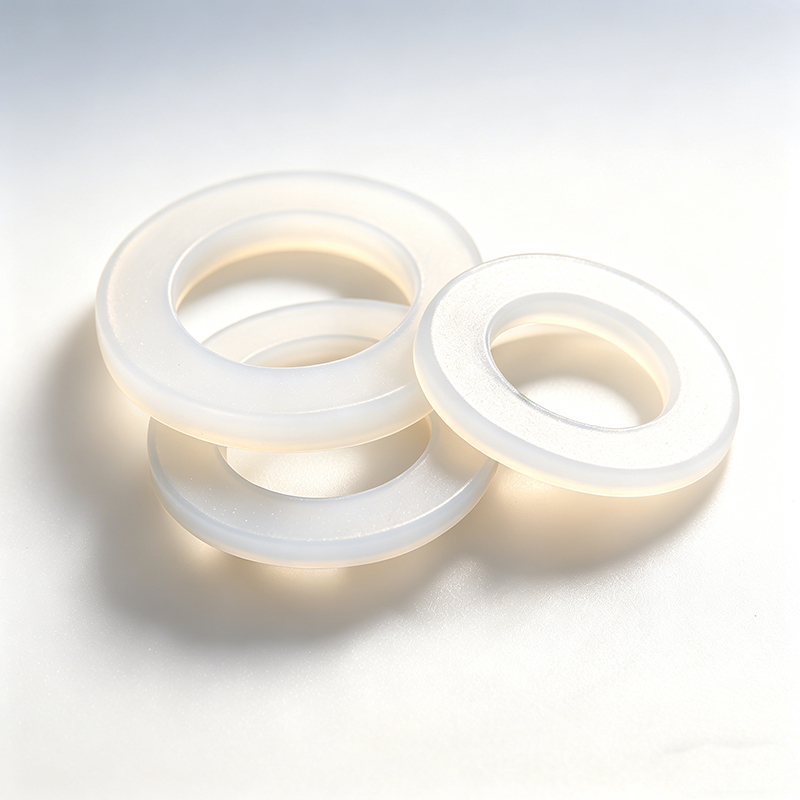
Working with high-temperature applications1 can be tricky. Many engineers face the same problem: their gaskets fail when exposed to extreme heat, causing costly downtime and safety issues.
Choosing the right high-temperature gasket material2 depends on three key factors: temperature rating3, chemical compatibility4, and pressure resistance5. The best materials for extreme heat applications include silicone, EPDM6, and specialized compounds that maintain their sealing properties at temperatures up to 500°F (260°C) or higher.
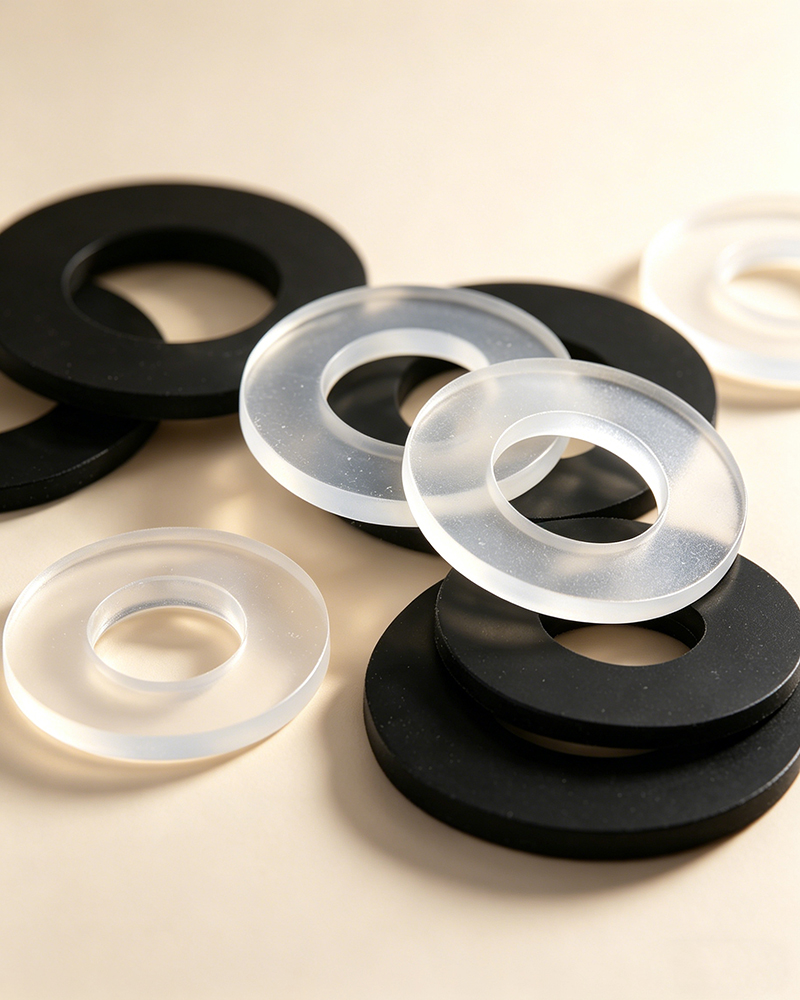
I've seen too many projects fail because someone picked a gasket based only on price or availability. The real cost comes later when the seal fails and shuts down your entire operation. Let me share what I've learned about avoiding these expensive mistakes.
What Temperature Range Do You Actually Need for Your Application?
Most people think they know their temperature requirements. Then reality hits. The actual operating temperature is often much higher than the design specification.
High-temperature gaskets typically handle temperatures from 200°F to 500°F (93°C to 260°C), with specialized materials reaching up to 600°F (315°C). The key is matching the material's continuous operating temperature to your specific application requirements, not just the peak temperature.
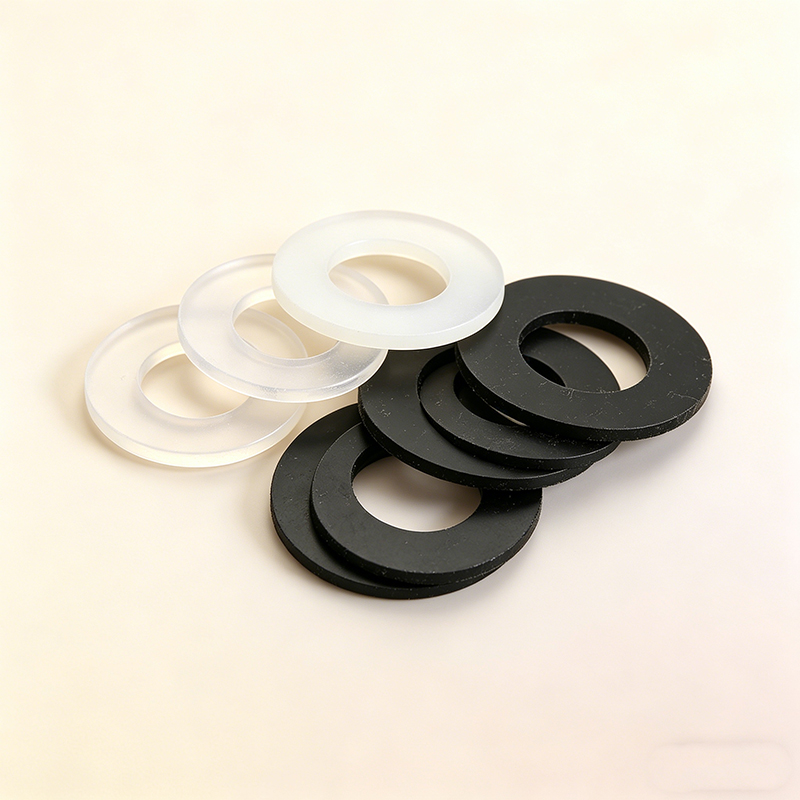
Here's what I tell my customers: always add a safety margin to your temperature calculations. If your application runs at 300°F, don't choose a material rated exactly at 300°F. Go for something rated at least 350°F or higher.
The most common materials we work with and their temperature ranges:
| Material | Continuous Temp | Peak Temp | Best Applications |
|---|---|---|---|
| Silicone | -65°F to 400°F | 450°F | Food processing, medical |
| EPDM6 | -65°F to 300°F | 350°F | Automotive, HVAC |
| Viton/FKM7 | -15°F to 400°F | 500°F | Chemical processing |
| PTFE8 | -400°F to 500°F | 550°F | Extreme chemical resistance |
I remember working with an automotive client who needed gaskets for an exhaust system. They initially wanted EPDM6 because of cost. But the actual operating temperature was 380°F. EPDM6 would have failed within weeks. We switched to silicone, and their gaskets have been running perfectly for over two years.
Temperature cycling is another factor most people forget. Your gasket doesn't just sit at one temperature. It heats up and cools down repeatedly. This expansion and contraction can cause cracking in the wrong material. We always test our materials through multiple temperature cycles before recommending them.
Which Chemical Resistance Properties Matter Most?
Temperature is just one piece of the puzzle. Chemical compatibility can make or break your seal's performance. I've seen gaskets that handle heat perfectly but dissolve when exposed to cleaning chemicals.
Chemical resistance in high-temperature gaskets focuses on three main areas: oil and fuel resistance9, acid and base compatibility10, and solvent resistance11. Viton/FKM7 offers the best overall chemical resistance, while silicone excels with food-grade and medical applications.
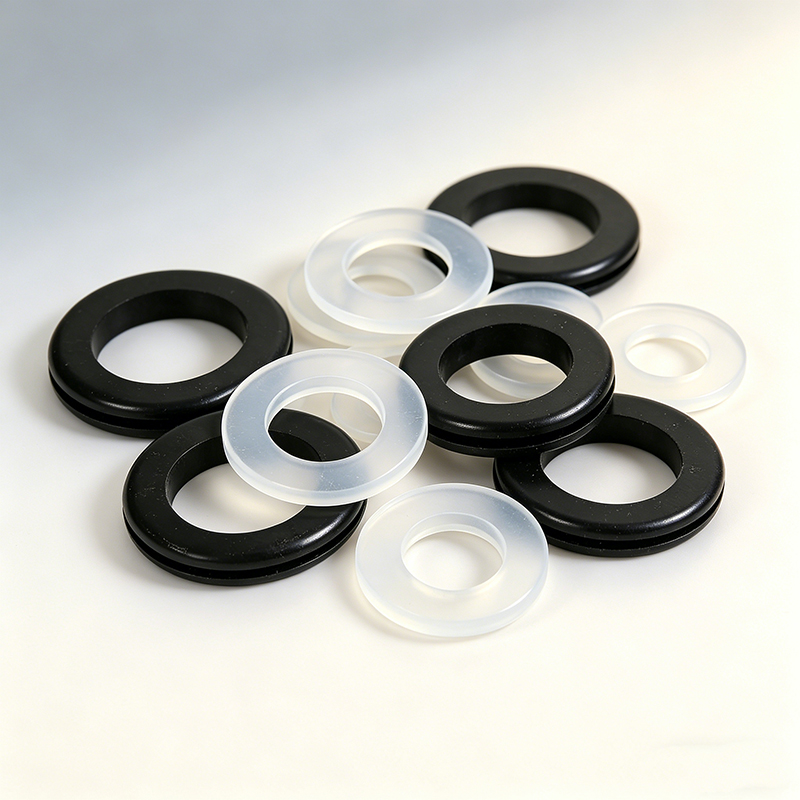
The biggest mistake I see is assuming that high-temperature rating3 automatically means good chemical resistance. That's not true. Each material has its strengths and weaknesses.
Let me break down the chemical resistance of our most popular high-temp materials:
Silicone Advantages:
- Excellent resistance to water and steam
- Compatible with most food-grade applications
- Handles ozone and UV exposure well
- Good flexibility at low temperatures
Silicone Limitations:
- Poor resistance to oils and fuels
- Not suitable for most solvents
- Can swell in some cleaning chemicals
- Outstanding oil and fuel resistance9
- Excellent chemical compatibility4
- Handles most acids and bases
- Long-term stability in harsh environments
- More expensive than other options
- Limited flexibility at low temperatures
- Not food-grade approved
- Good resistance to water and steam
- Handles many cleaning chemicals
- Cost-effective option
- Good mechanical properties
- Poor oil and fuel resistance9
- Limited high-temperature capability
- Not suitable for many solvents
I worked with a chemical processing plant that was using silicone gaskets12 in their high-temperature reactors. The temperature was fine, but they were losing gaskets every few weeks. The problem? Their cleaning process used a strong solvent that caused the silicone to swell and fail. We switched to Viton, and their maintenance costs dropped by 80%.
Always ask yourself: what chemicals will contact my gasket? This includes not just your main process fluids, but also cleaning agents, lubricants, and any emergency chemicals that might be present.
How Do Pressure Requirements Affect Material Selection?
High temperature and high pressure often go together. But not all high-temp materials can handle significant pressure. This combination requires careful material selection and design consideration.
Pressure resistance in high-temperature gaskets depends on material hardness, gasket design13, and flange configuration. Most high-temp elastomers maintain good sealing properties up to 150 PSI, while specialized compounds can handle pressures up to 1000 PSI or higher.
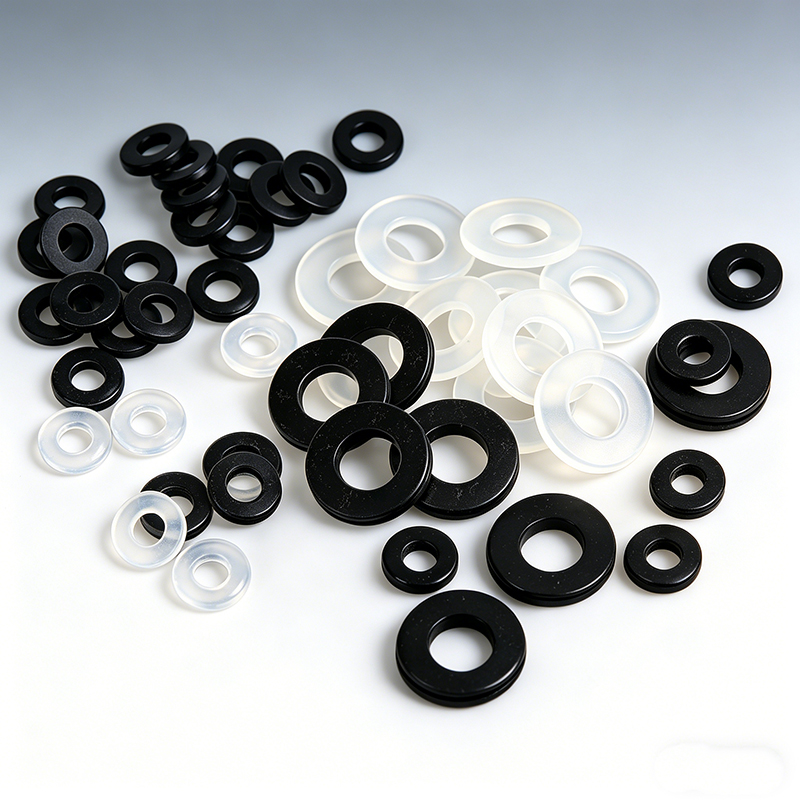
Here's what happens when temperature and pressure combine: the material becomes softer as temperature increases, reducing its ability to resist pressure. This is called the temperature-pressure relationship, and it's critical for proper gasket selection.
Pressure Performance by Material:
| Material | Max Pressure at 200°F | Max Pressure at 400°F | Hardness Range |
|---|---|---|---|
| Silicone | 200 PSI | 100 PSI | 30-80 Shore A |
| EPDM6 | 250 PSI | 150 PSI | 40-90 Shore A |
| Viton | 300 PSI | 200 PSI | 60-90 Shore A |
| PTFE8 | 1000+ PSI | 800+ PSI | 50-60 Shore D |
The gasket design13 also matters enormously. O-rings typically handle higher pressures than flat gaskets because the pressure actually helps them seal better. Flat gaskets rely more on the material's inherent strength.
I remember a steam application where the customer needed to seal 300°F steam at 180 PSI. Standard silicone gaskets12 kept blowing out under pressure. We redesigned the groove to better support the gasket and used a higher durometer silicone. Problem solved.
Key Design Considerations:
Groove Design: The groove must support the gasket against pressure without allowing extrusion14. We calculate the gap based on material hardness and expected pressure.
Gasket Thickness: Thicker gaskets can handle more pressure but may not seal as well at low compression. We typically recommend 1/8" to 1/4" thickness for most high-pressure applications.
Surface Finish: Rougher surfaces require softer materials to seal properly, but softer materials can't handle as much pressure. It's a balance we help our customers optimize.
Installation Torque: Over-tightening can actually reduce sealing performance and gasket life. We provide torque specifications for each application.
One automotive client was having issues with transmission gaskets failing under pressure. The temperature was only 250°F, well within the material limits. But the pressure spikes during shifting were causing the gaskets to extrude. We switched to a harder compound and modified the groove design. Their warranty claims dropped to almost zero.
What Manufacturing Processes Work Best for High-Temperature Applications?
The way we make your gasket affects its performance just as much as the material choice. Different manufacturing processes create different material properties, even with the same base compound.
Compression molding produces the most consistent high-temperature gaskets because it creates uniform density and eliminates weak spots. This process works best for complex shapes and provides the longest service life in extreme heat applications.


I've been working with rubber manufacturing for over 25 years, and I can tell you that process selection makes a huge difference. Let me explain the main processes we use and when each works best.
Compression Molding Benefits:
- Creates uniform material density
- Eliminates flow lines and weak spots
- Handles complex geometries well
- Produces consistent wall thickness
- Best for high-volume production
Compression Molding Process: We place the exact amount of material needed into a heated mold. The press closes under controlled pressure and temperature. The material flows to fill every detail of the mold cavity. This creates gaskets with consistent properties throughout.
When We Use Compression Molding:
- Complex gasket shapes
- High-volume orders (1000+ pieces)
- Critical sealing applications
- When dimensional accuracy is crucial
Extrusion for Continuous Profiles: Some applications need long continuous gaskets or strips. For these, we use extrusion14. The material is pushed through a heated die to create the desired cross-section.
Extrusion Benefits:
- Continuous lengths available
- Cost-effective for simple profiles
- Fast production for standard shapes
- Good for weather sealing applications
Extrusion Limitations:
- Limited to simple cross-sections
- Less precise than molding
- May have slight dimensional variations
- Not suitable for complex shapes
Die Cutting for Flat Gaskets: For simple flat gaskets, we often use die cutting15 from molded sheets. This works well for gaskets that don't need complex geometries.
Die Cutting Advantages:
- Fast turnaround for prototypes
- Cost-effective for small quantities
- Good for standard shapes
- Easy to modify designs
Quality Control in Manufacturing: Every high-temperature gasket we produce goes through specific quality checks:
| Process Step | Quality Check | Acceptance Criteria |
|---|---|---|
| Material Mixing | Viscosity test | Within ±5% of standard |
| Molding | Dimensional check | ±0.05mm tolerance |
| Curing | Hardness test | Shore A ±5 points |
| Final Inspection | Visual inspection | Zero defects policy |
Post-Cure Treatment: High-temperature gaskets often benefit from post-cure treatment16. This additional heating cycle removes any remaining volatiles and stabilizes the material properties. It's especially important for silicone gaskets12 that will see continuous high-temperature service.
I worked with a power generation company that was having premature gasket failures in their turbine applications. The gaskets looked perfect, but they were failing after just a few months. We discovered their previous supplier was skipping the post-cure step to save time. We implemented proper post-curing, and their gasket life increased by over 300%.
Design for Manufacturing (DFM)17: We always review gasket design13s for manufacturability. Small changes can dramatically improve performance and reduce cost:
- Avoiding sharp corners that create stress concentrations
- Designing adequate draft angles for mold release
- Minimizing undercuts that complicate tooling
- Optimizing wall thickness for even curing
The best gasket design13 considers both function and manufacturing. We work with our customers during the design phase to optimize both aspects.
Conclusion
Selecting high-temperature gaskets requires balancing temperature rating3, chemical compatibility4, pressure resistance5, and manufacturing process. The right choice prevents costly failures and ensures long-term reliability in demanding applications.
Understanding the challenges can help you choose the right materials and avoid costly mistakes. ↩
Choosing the right gasket material is crucial for performance and longevity in high-temperature environments. ↩
Learn how temperature ratings influence the durability and effectiveness of gaskets in extreme conditions. ↩
Chemical compatibility is vital for ensuring that gaskets perform well in various environments. ↩
Understanding pressure resistance helps in selecting gaskets that can withstand operational demands. ↩
EPDM gaskets are widely used; knowing their properties can help in selecting the right application. ↩
Viton/FKM's chemical resistance makes it a top choice for demanding environments. ↩
PTFE gaskets are known for their extreme chemical resistance; explore their applications. ↩
Gaskets exposed to oils and fuels need specific resistance properties to ensure reliability. ↩
Acid and base compatibility is crucial for maintaining gasket integrity in various applications. ↩
Gaskets must resist solvents to prevent failure; learn how to choose the right material. ↩
Silicone gaskets offer unique benefits that make them suitable for specific high-temperature uses. ↩
Proper gasket design is essential for performance; explore the factors that influence it. ↩
Understanding the extrusion process can help in selecting the right gaskets for continuous applications. ↩
Die cutting is a common method for producing gaskets; learn when it's the best choice. ↩
Post-cure treatment can significantly enhance gasket performance; learn more about its benefits. ↩
DFM principles can optimize gasket design and manufacturing, leading to better performance. ↩