

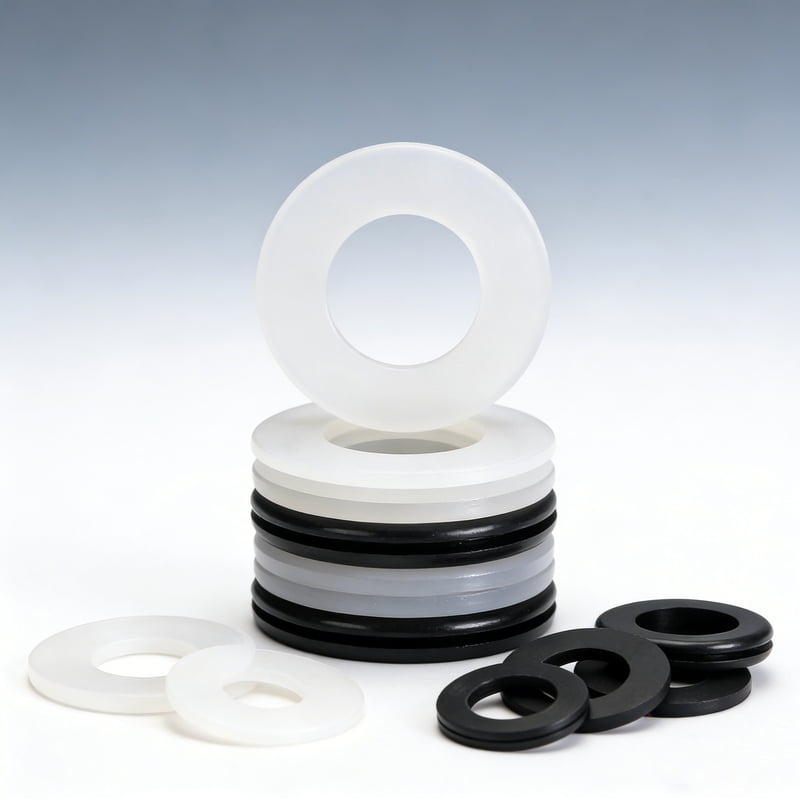
The first paragraph grabs the reader's attention:
As I have worked with glass jar gaskets over the years, I’ve noticed a common issue that surprises many: they pass all tests but fail once in production.
Glass jar gaskets are meant to provide airtight seals. However, many people find that their gaskets leak after seemingly passing all tests. The reason lies in material compatibility1 with contents.
The importance of understanding material compatibility1 cannot be overstated. Many people overlook this critical factor, which can lead to significant issues down the line. Let’s dive deeper into why this happens and how you can avoid these pitfalls.
Why Do Seals Fail Despite Initial Success?
The first paragraph captures attention:
Often, gaskets appear to function perfectly during short-term tests, leading many to believe they will perform well over time.
However, with prolonged use, issues like hardening, swelling, or even odor transfer can develop, causing seals to fail. Understanding the reaction between materials and contents is key to preventing these problems.
As I reflect on my experiences, one particular project comes to mind. We were tasked with sealing food-grade glass jars using standard rubber materials. At first, everything seemed fine. The seals held perfectly during testing. But just weeks into actual use, we noticed slight odors and leaks.
Upon investigation, we found that the contents contained oil, which reacted with the rubber. This led to the rubber absorbing oil and swelling, ultimately compromising the seal. Switching to food-grade silicone2 solved the problem entirely.
How Can You Avoid This Common Pitfall?
When selecting glass jar gaskets, it’s crucial to keep these three factors in mind:
-
Know Your Contents Before Choosing Material
Different contents require different materials. If you’re sealing oily substances, avoid standard rubber. Instead, opt for silicone or FKM. For acidic or alcohol-based contents, you need materials resistant to chemical corrosion3. Always prioritize the contents when selecting materials. -
Don’t Just Conduct Short-Term Leak Tests
Many tests focus solely on whether a product leaks initially. However, it’s vital to understand long-term changes4. Pay attention to factors like absorption, swelling, odor migration, and long-term seal stability5. -
Request Compatibility Verification or Experience Support
If you can’t conduct thorough tests, at least check if similar applications have been successful. Data from previous experiences is often more reliable than one-off tests.
What Should Suppliers Do?
From the supplier's perspective, many issues stem from not asking the right questions upfront. A responsible approach involves:
- Confirming the type of contents early in the process
- Recommending suitable materials based on the application instead of defaulting to standard options
- Providing advice on material compatibility1 or sharing historical cases
- Offering samples for targeted testing when necessary
These steps seem simple, but they can prevent most risks in the future.
Final Thoughts
Glass jar gaskets may seem like a small component, but they play a significant role in ensuring reliability, safety, and customer satisfaction. I’ve learned from my own mistakes and have helped many projects avoid similar issues. Now, every time I assess a gasket, I first ask, “What will this jar contain?”
The success or failure often hinges not on the design but on the material used. If you’re evaluating the right glass jar gaskets or are unsure about your current materials, feel free to share your use case. I’m here to help you identify potential risks and avoid problems before they arise.
Understanding material compatibility is crucial for ensuring effective seals and preventing leaks in various applications. ↩
Food-grade silicone offers superior performance for sealing food containers, ensuring safety and preventing contamination. ↩
Learning about chemical corrosion can help you choose the right materials for specific contents, enhancing seal longevity. ↩
Exploring long-term changes helps in understanding the durability and reliability of gaskets beyond initial tests. ↩
Understanding factors affecting seal stability can help in selecting the right materials and avoiding future issues. ↩