

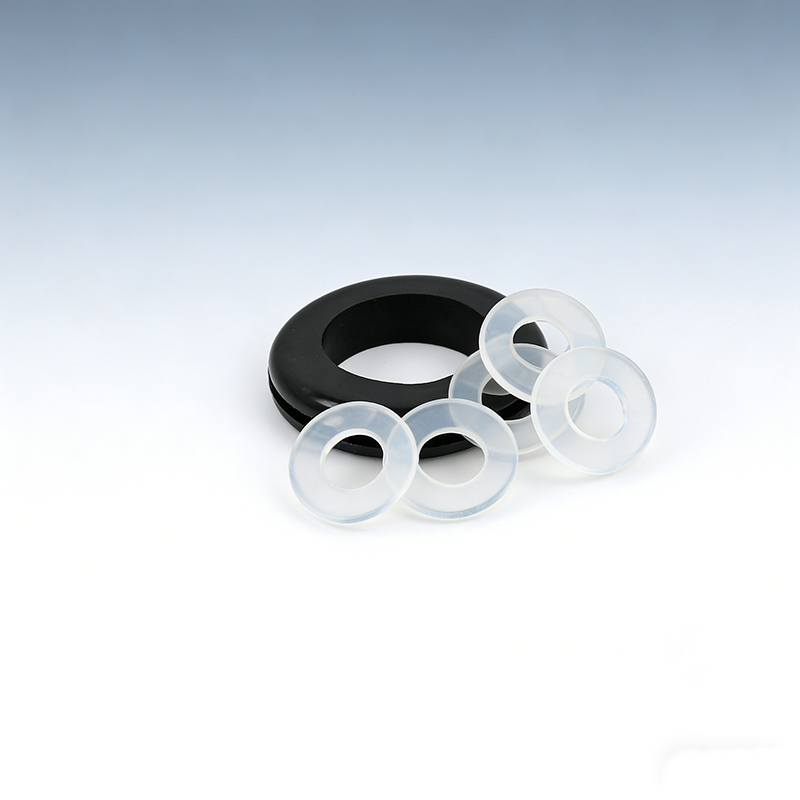
The first paragraph: Choosing the wrong gasket sheet material can lead to oil leaks and costly repairs. Don’t let budget concerns blind you to the importance of the right selection.
When selecting gasket sheets, it’s essential to consider not just the physical thickness and hardness but also the chemical compatibility1 and compression set2 rate. Ignoring these can lead to failures.
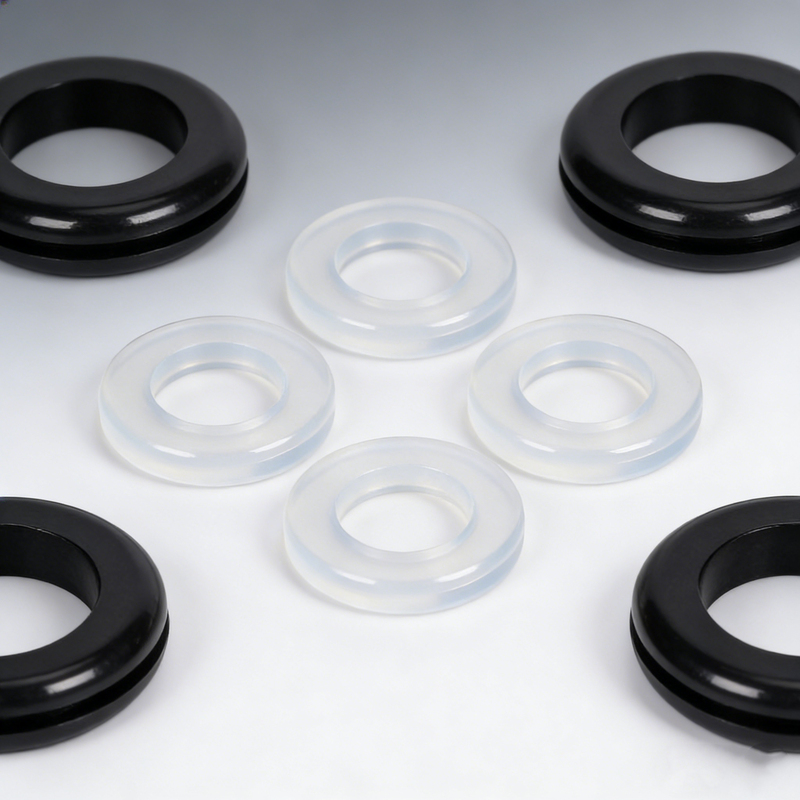
Transition Paragraph: Many people overlook critical aspects of gasket selection until it's too late. Understanding the full scope of materials and their interactions can save time, money, and headaches in the long run.
What is the Hidden Danger of Gasket Sheets?
The first paragraph: One of the main challenges in gasket selection is understanding the “false seal” effect. This occurs when a gasket seems to perform well initially but fails under specific conditions.
A common mistake is opting for a general-purpose rubber sheet or non-asbestos board that appears to be heat resistant. While it may work temporarily, exposure to certain chemicals can lead to unexpected leaks soon after installation.
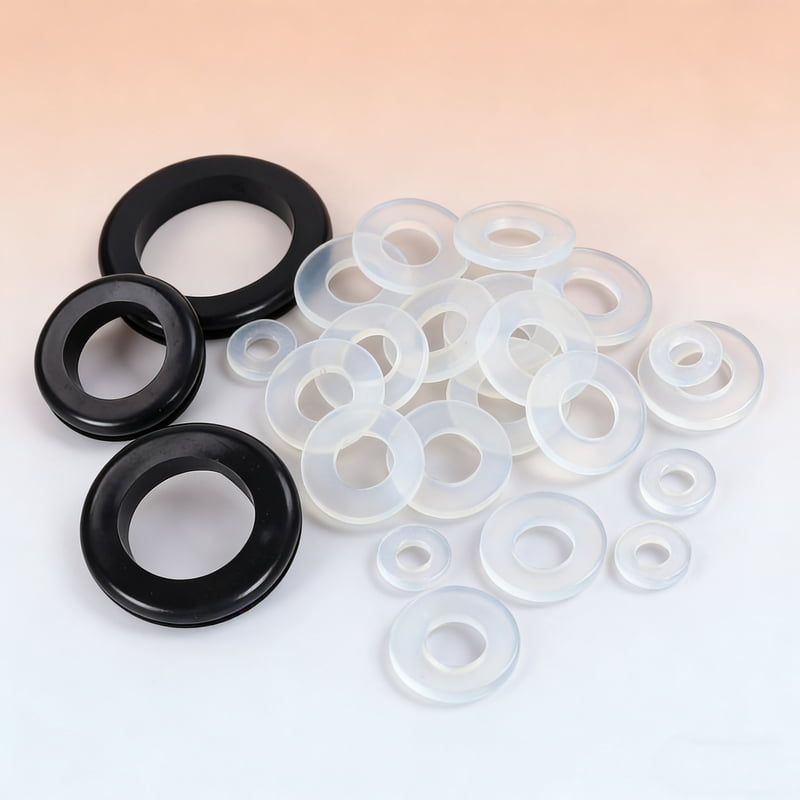
Dive deeper Paragraph: Let’s break down why this happens. Many gasket materials can expand when they come into contact with chemical agents, such as synthetic oils or weak acids. Initially, this may create a tighter seal. But as the temperature fluctuates, the material hardens and loses its ability to rebound properly. This is known as "compression set2," which means the material no longer maintains its sealing capacity. When the system cools down, gaps appear, causing leaks.
This problem is not just about the cost of materials; it can lead to significant downtime, maintenance costs, and even damage to expensive equipment. Therefore, understanding the chemical compatibility1 and thermal stability of gasket materials is essential for avoiding these pitfalls.
How Can You Avoid This Trap?
The first paragraph: I strongly recommend verifying three critical factors before placing an order: temperature tolerance3, pH range4 of the medium, and compression force requirements.
Understanding both the constant temperature and fluctuation frequency is vital. A constant 150°C and frequent changes between 20°C to 150°C create entirely different demands on material molecular chains.
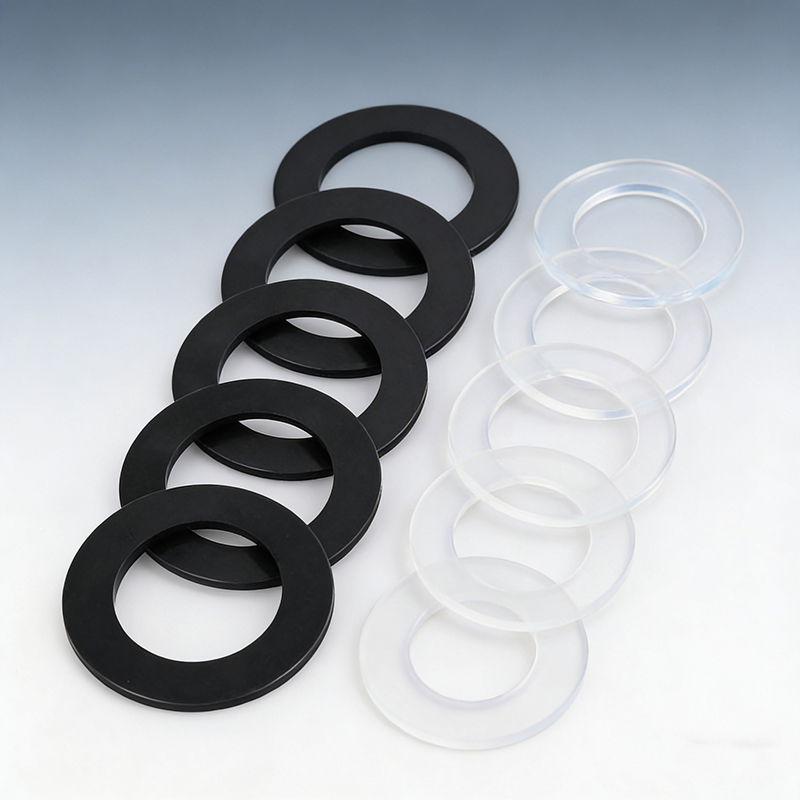
Dive deeper Paragraph: The pH range4 of the medium is another crucial consideration. You must identify whether the medium is pure or contains additives. Even a small percentage of additives can corrode the wrong gasket material. Additionally, calculating the minimum sealing pressure5 (M-Value) of the sheet is essential. This must match your flange's bolt tightening force for effective sealing.
I have seen firsthand how these factors can impact projects. In one case, a partner in Southeast Asia faced complaints regarding their industrial pumps due to gasket aging. Instead of rushing to quote a replacement, my technical team conducted a 72-hour immersion swelling test on the medium sample. This thorough analysis led us to recommend a specially tailored NBR modified non-asbestos sheet. By adjusting the fiber ratios, we eliminated the material’s tendency to expand and contract under oil and gas conditions. As a result, the lifespan of the gaskets increased threefold.
Conclusion
Your projects deserve reliable solutions, not endless maintenance. If you're dealing with sealing challenges or have concerns about your current gasket solutions, don't hesitate to reach out. Our professional engineering team is ready to address your technical needs and provide support from material selection to pressure calculations.
Understanding chemical compatibility is crucial for selecting the right gasket material to prevent leaks and failures. ↩
Learn about compression set to ensure your gasket maintains its sealing capacity under varying temperatures. ↩
Knowing temperature tolerance helps in selecting gaskets that can withstand specific operational conditions. ↩
Understanding the pH range of the medium can prevent corrosion and ensure the longevity of gasket materials. ↩
Calculating minimum sealing pressure is essential for effective sealing and preventing leaks in your applications. ↩