

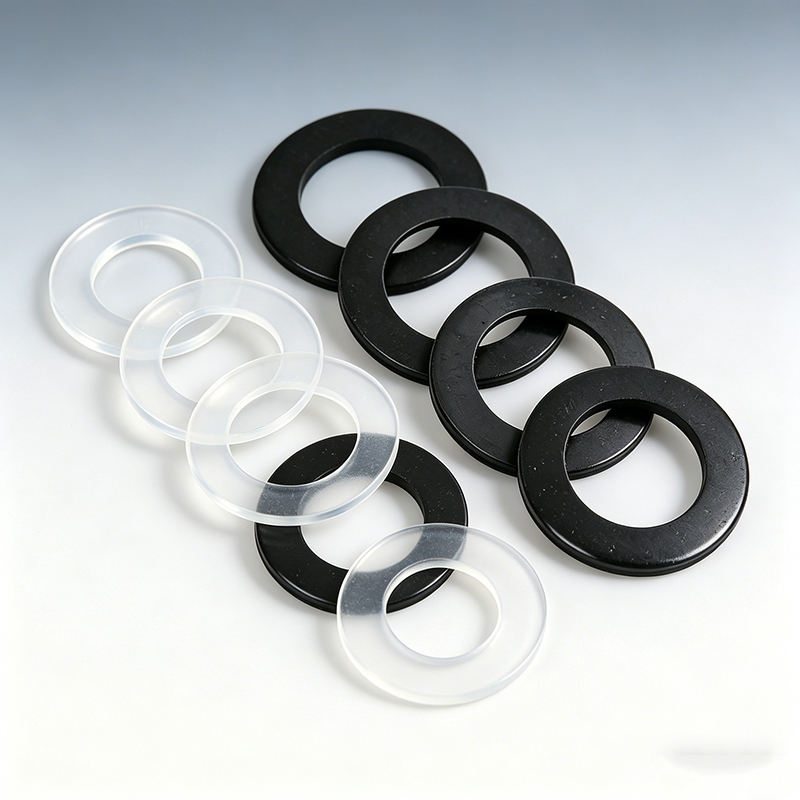
Many engineers make costly mistakes when selecting gaskets. They choose materials without understanding performance differences1. This leads to leaks, failures, and expensive downtime.
Fiber gaskets2 work best for low-pressure applications with stable temperatures. Rubber gaskets3 handle higher pressures and temperature changes better. The right choice depends on your specific operating conditions and fluid compatibility4 requirements.
I have seen too many projects fail because someone picked the wrong gasket material. The consequences are always the same: equipment shutdown, emergency repairs, and frustrated customers. Let me share what I have learned about making the right choice.
What Makes Fiber Gaskets Different From Rubber Options?
Fiber gaskets2 seem simple but they have specific strengths. Many people think all gaskets work the same way. This assumption costs them money and time.
Fiber gaskets2 use compressed organic or synthetic fibers with binding agents. They excel in static applications5 with steady pressure and temperature. They resist chemicals well but struggle with dynamic sealing6 and pressure fluctuations.
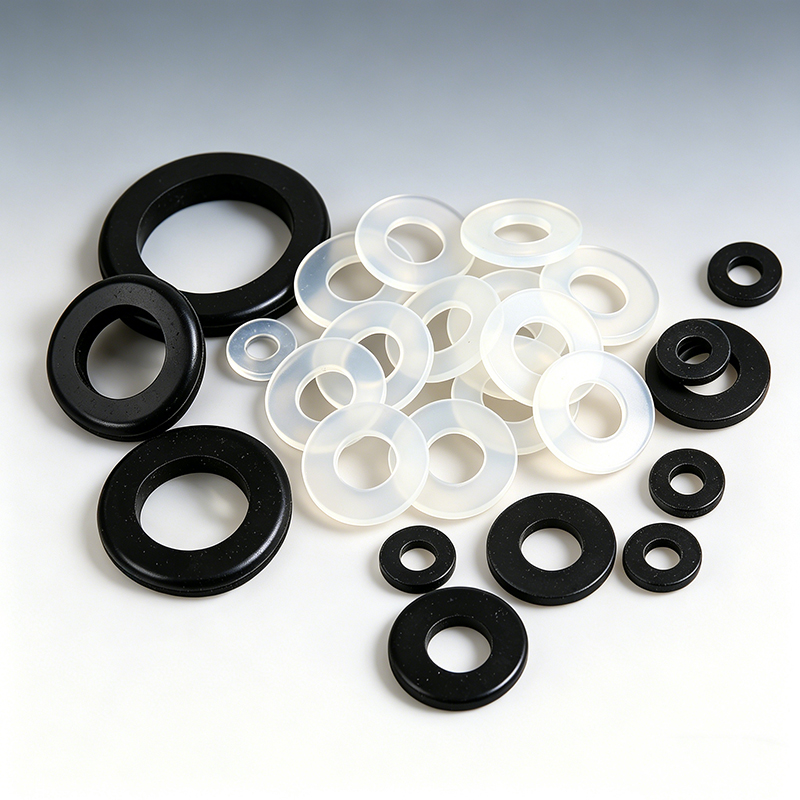
Fiber gaskets2 work through compression. When you tighten the bolts, the fibers compress and fill small gaps in the flange surfaces. This creates a barrier against fluid flow. The key is getting the right compression without over-tightening.
I remember working with a client who used fiber gaskets in a steam application. They thought fiber would handle the heat better than rubber. The gaskets failed within weeks. The problem was not the temperature but the pressure cycling7. Every time the system started up, pressure would spike. Fiber gaskets2 cannot handle these sudden changes well.
The binding agents in fiber gaskets determine their chemical resistance8. Different binders work with different fluids. NBR-bound fiber9 works with oils but fails with strong acids. PTFE-bound fiber10 handles acids but costs more. You need to match the binder to your application.
| Fiber Type | Temperature Range | Pressure Limit | Best Applications |
|---|---|---|---|
| Compressed Fiber | -40°C to 200°C | Up to 40 bar | Oil, fuel systems |
| Aramid Fiber | -100°C to 250°C | Up to 100 bar | High-temp steam |
| PTFE Fiber | -200°C to 260°C | Up to 150 bar | Chemical processing |
How Do Rubber Gaskets Handle Dynamic Applications?
Rubber gaskets3 work differently than fiber ones. They stretch and recover instead of just compressing. This makes them perfect for applications with movement or pressure changes.
Rubber gaskets3 use elastomer compounds11 that deform under pressure then return to original shape. They handle dynamic sealing6, pressure cycling7, and thermal expansion better than fiber gaskets. Material selection depends on fluid compatibility4 and operating conditions.


The secret to rubber gaskets is their elastic memory. When pressure increases, they deform to fill gaps. When pressure drops, they spring back. This self-adjusting behavior keeps seals tight through operating cycles.
I worked with an automotive client who had vibration problems12. Their fiber gaskets kept loosening from engine vibration. We switched to EPDM rubber gaskets. The rubber absorbed the vibration and maintained seal integrity. The client has not had a leak in three years.
Different rubber compounds handle different conditions. EPDM works great with water and steam but fails with oil. NBR handles oil perfectly but breaks down in ozone. Silicone resists extreme temperatures but tears easily. You must match the rubber to your specific needs.
Rubber gaskets3 also handle surface imperfections13 better. Machined flanges are never perfectly smooth. Tiny scratches and tool marks create leak paths. Rubber flows into these imperfections and seals them. Fiber gaskets2 cannot do this as effectively.
The compression set resistance14 of rubber matters a lot. This measures how well the rubber returns to its original thickness after being compressed. Poor compression set means the gasket stays flat and loses sealing force. High-quality rubber compounds maintain their spring for years.
| Rubber Type | Temperature Range | Chemical Resistance | Dynamic Performance |
|---|---|---|---|
| EPDM | -40°C to 150°C | Water, steam, acids | Excellent |
| NBR | -30°C to 120°C | Oils, fuels, hydraulics | Good |
| Silicone | -60°C to 200°C | Extreme temperatures | Fair |
| Viton | -20°C to 200°C | Aggressive chemicals | Excellent |
When Should You Choose Fiber Over Rubber Materials?
Fiber gaskets2 are not always the wrong choice. They excel in specific situations where rubber would fail. Understanding these situations saves you from expensive mistakes.
Choose fiber gaskets for high-temperature steam applications15, chemical processes with aggressive solvents, and static flanges with minimal pressure variation. Fiber handles extreme temperatures and certain chemicals better than most rubber compounds.
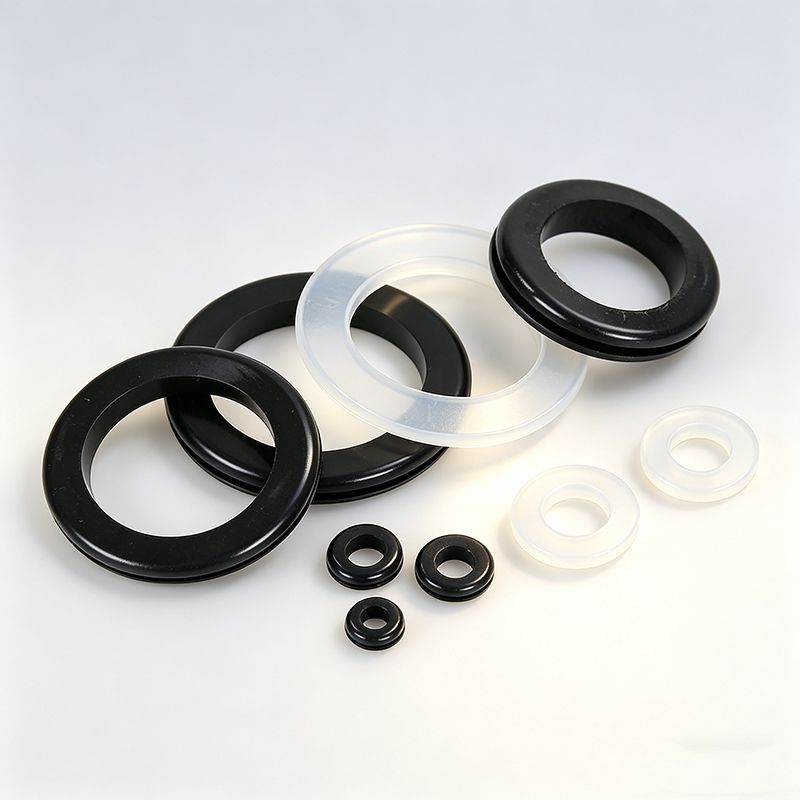
Steam applications above 150°C challenge most rubber materials. The combination of heat and moisture breaks down rubber compounds quickly. Aramid fiber gaskets handle steam at 250°C without degradation. They maintain strength and sealing ability through thousands of heating cycles.
Chemical compatibility gives fiber gaskets another advantage. Strong acids and solvents attack rubber molecular chains. The chemical breaks the polymer bonds and the gasket dissolves or swells. Fiber gaskets2 with PTFE binding resist almost all industrial chemicals. They work in applications where rubber would last only days.
Static applications favor fiber gaskets too. When flanges never move and pressure stays constant, you do not need rubber's elastic properties. Fiber gaskets2 cost less and last longer in these conditions. Many pipeline flanges and tank connections work perfectly with fiber gaskets.
I helped a chemical plant choose gaskets for their acid storage tanks. The tanks stayed at constant pressure and temperature. Rubber gaskets3 would swell and fail within months. We selected PTFE-bound fiber10 gaskets. They have worked for five years without replacement.
Installation torque matters more with fiber gaskets. You must follow torque specifications exactly. Too little torque and the gasket will not compress enough to seal. Too much torque and you crush the fibers and destroy the gasket. Rubber gaskets3 forgive installation errors better.
Fiber gaskets2 also need proper flange preparation. The surfaces must be clean and smooth. Any debris or scratches create leak paths that fiber cannot seal. Rubber gaskets3 handle surface imperfections13 much better.
What Are The Most Common Selection Mistakes?
I see the same gasket selection mistakes16 repeatedly. These errors cost companies thousands in repairs and downtime. Learning from these mistakes helps you choose correctly the first time.
The biggest mistake is ignoring operating conditions. People focus on material cost instead of total system cost. They also forget about installation requirements and maintenance access when selecting gasket materials.
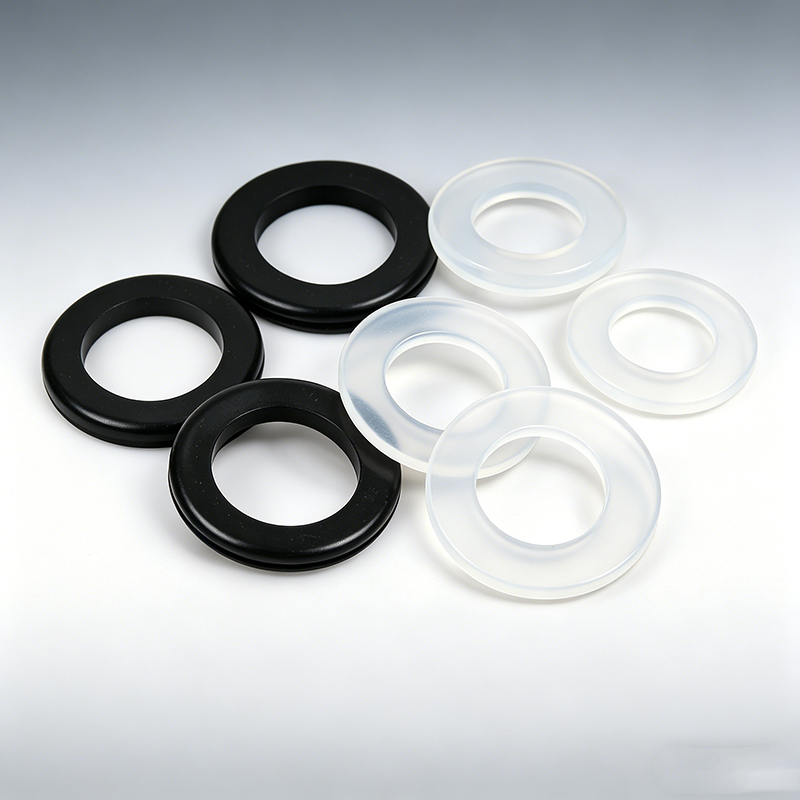
Temperature cycling destroys more gaskets than steady high temperature. Many people check maximum temperature but ignore thermal cycling. A system that goes from 20°C to 100°C repeatedly stresses gaskets more than constant 120°C operation. Rubber handles cycling better than fiber in most cases.
Pressure spikes catch people off guard too. They design for normal operating pressure but forget about startup conditions. Pumps create pressure surges when they start. Relief valves cause pressure drops when they open. These transients can exceed design pressure by 50% or more. Rubber gaskets3 absorb these spikes better than rigid fiber ones.
Chemical compatibility testing gets skipped too often. People assume all oils are the same or all acids behave identically. Small differences in additive packages or concentration levels change gasket performance dramatically. We always recommend compatibility testing with actual process fluids.
One client learned this lesson expensively. They used standard NBR gaskets with what they called "hydraulic oil." The oil contained special additives that attacked NBR. Every gasket failed within weeks. Testing would have revealed the incompatibility and saved them $50,000 in repairs.
Installation environment affects gasket choice too. Tight spaces make rubber gaskets attractive because they forgive installation errors. Accessible locations allow fiber gaskets if other conditions suit them. Maintenance schedules matter too. Rubber gaskets3 often last longer between replacements.
Cost calculations must include total ownership cost17. Cheap fiber gaskets that fail frequently cost more than expensive rubber gaskets that last years. Factor in labor costs, downtime expenses, and emergency repair charges. The true cost picture often favors higher-quality materials.
Conclusion
Choose fiber gaskets for high-temperature static applications5 with compatible chemicals. Select rubber gaskets for dynamic sealing6 with pressure or temperature cycling. Always test compatibility and consider total system costs.
Understanding performance differences can help you make informed choices in gasket selection. ↩
Explore the benefits of fiber gaskets to understand their unique strengths in specific applications. ↩
Learn about the performance of rubber gaskets and why they are preferred in dynamic sealing situations. ↩
Discover why matching gaskets to fluid compatibility is crucial for preventing failures. ↩
Learn best practices for selecting gaskets in static applications to enhance reliability. ↩
Explore the concept of dynamic sealing and its significance in various applications. ↩
Learn how pressure cycling impacts gasket performance and longevity. ↩
Explore the factors that influence gasket chemical resistance to avoid costly mistakes. ↩
Explore the applications of NBR-bound fiber to understand its strengths and limitations. ↩
Discover the advantages of PTFE-bound fiber gaskets in chemical processing. ↩
Learn about elastomer compounds and their critical role in gasket performance. ↩
Explore how the right gasket choice can mitigate vibration issues in machinery. ↩
Understanding the impact of surface imperfections can improve gasket sealing effectiveness. ↩
Understanding compression set resistance can help you choose durable rubber gaskets. ↩
Learn about the specific challenges faced in high-temperature steam applications. ↩
Identifying common mistakes can save you time and money in gasket selection. ↩
Understanding total ownership cost can lead to better financial decisions in gasket purchases. ↩