

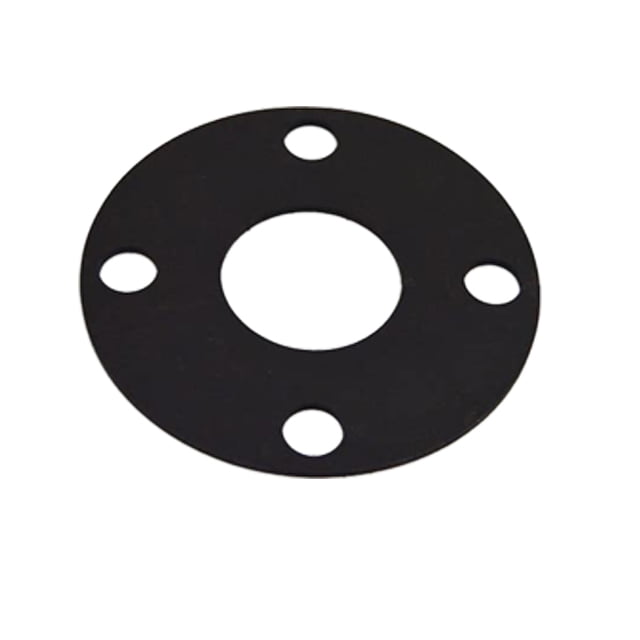
The first step in ensuring a strong seal is understanding the common mistakes that can lead to seal failure. Let’s dive into one of the biggest issues I’ve encountered over the years.
When using the Everbilt 5/16 in. 2-Bolt Gasket Kit 10065X1, many people overlook the importance of matching the gasket material2 to the working environment, leading to leakage and gasket damage down the line.
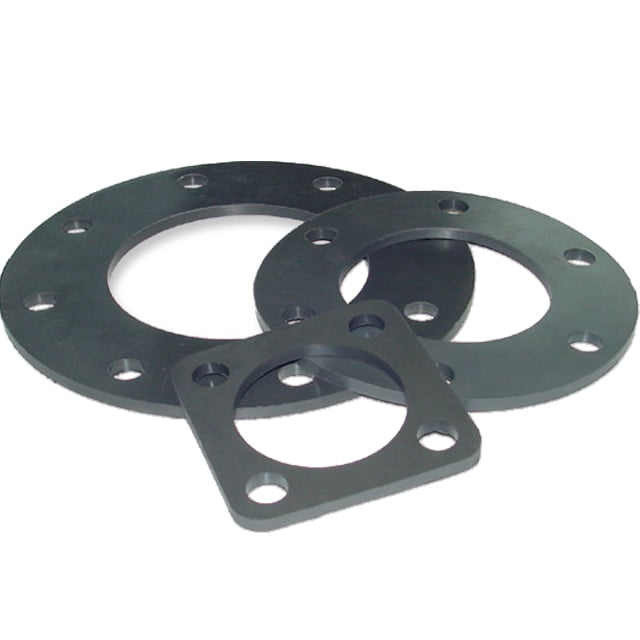
It's easy to think that if the dimensions and bolt holes match, the installation will go smoothly. However, that is only part of the equation. The real game-changer is whether the gasket material2 can withstand the pressure, temperature, and type of medium it will encounter.
LOOP START
Why Does Material Compatibility Matter?
Many people get too focused on the size and bolt hole positions, which can lead to problems later. I’ve seen this firsthand and want to share my insights.
Material compatibility is crucial for ensuring that the gasket can handle the stresses it faces without failure.
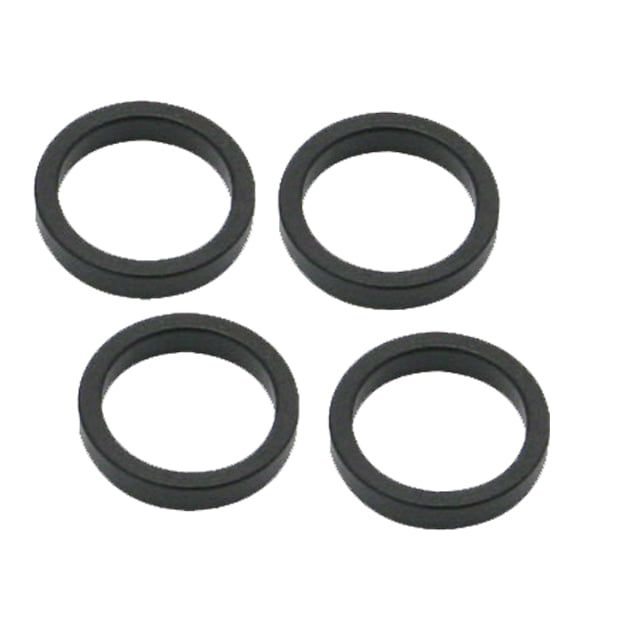
To illustrate, let’s consider some situations where gasket failures can occur:
- Using standard rubber gaskets in high-temperature or chemical environments can lead to deformation, hardening, or leakage.
- If the compression ratio3 is not suitable, it may seem secure initially, but long-term usage will reveal its weaknesses.
Many fall into this trap because everything appears fine on the surface, but issues often arise after a few months of operation.
A Real-World Example
In a recent project involving pipeline sealing, I utilized the Everbilt 10065X kit. The dimensions and bolt hole placements were perfect, leading to a smooth installation.
However, a few months later, I noted some troubling signs:
- Leaking at the joint
- Localized flattening of the gasket
- A noticeable decline in sealing performance4
After analyzing the situation, I discovered that the material’s hardness was too low to handle the pressure fluctuations of the pipeline. Additionally, the slightly elevated environmental temperature accelerated the aged degradation of the gasket.
Solutions Implemented
To solve these issues, I replaced it with a high-temperature resistant rubber5 material that had optimized compression recovery. I maintained the original dimensions and bolt design to ensure compatibility.
The result? A significant improvement in sealing stability, which resolved the issue entirely.
Key Takeaways to Avoid Pitfalls
- Confirm the usage environment: Understand the pressure range, temperature, and types of media the gasket will encounter.
- Check material performance: Ensure the gasket material2 has the right rebound ability, temperature resistance, and chemical resistance.
- Match the compression ratio3 with the installation: Too soft can lead to inadequate sealing over time, while too hard can create installation difficulties and uneven sealing.
LOOP END
How Can Suppliers Improve?
It’s easy for suppliers to ship based solely on size, but that can lead to pitfalls. A better approach would be:
- Recommend gasket material2s based on environmental conditions.
- Provide data on compression and rebound characteristics.
- Offer samples for verification where necessary.
- Ensure that dimensions align with compression ratio3s for long-term sealing performance4.
Conclusion
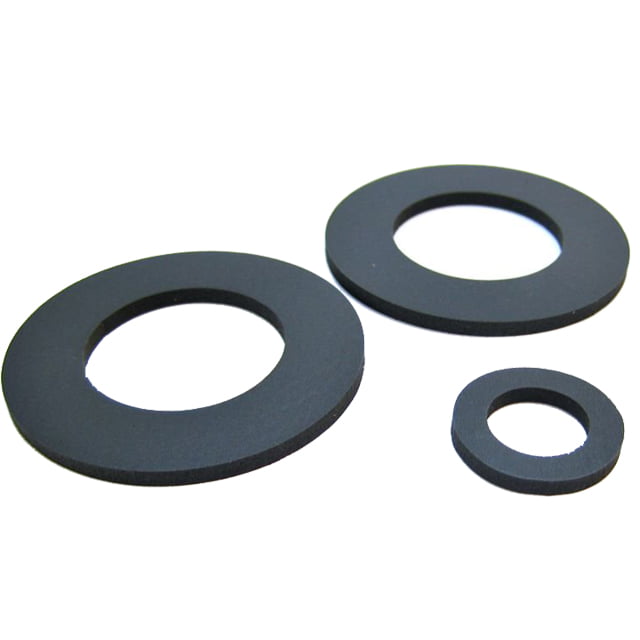
In summary, when using the Everbilt 5/16 in. 2-Bolt Gasket Kit 10065X1, understanding material performance, working environment, and compression matching is key to preventing seal failures.
Explore detailed specifications and user reviews to ensure you're making an informed choice for your sealing needs. ↩
Understanding gasket material compatibility can prevent costly failures and ensure long-lasting seals in various environments. ↩
Discover how the right compression ratio can enhance sealing performance and prevent future issues. ↩
Explore the key factors that affect sealing performance to ensure reliable and effective gasket applications. ↩
Find out why high-temperature resistant rubber is essential for maintaining seal integrity in extreme conditions. ↩