

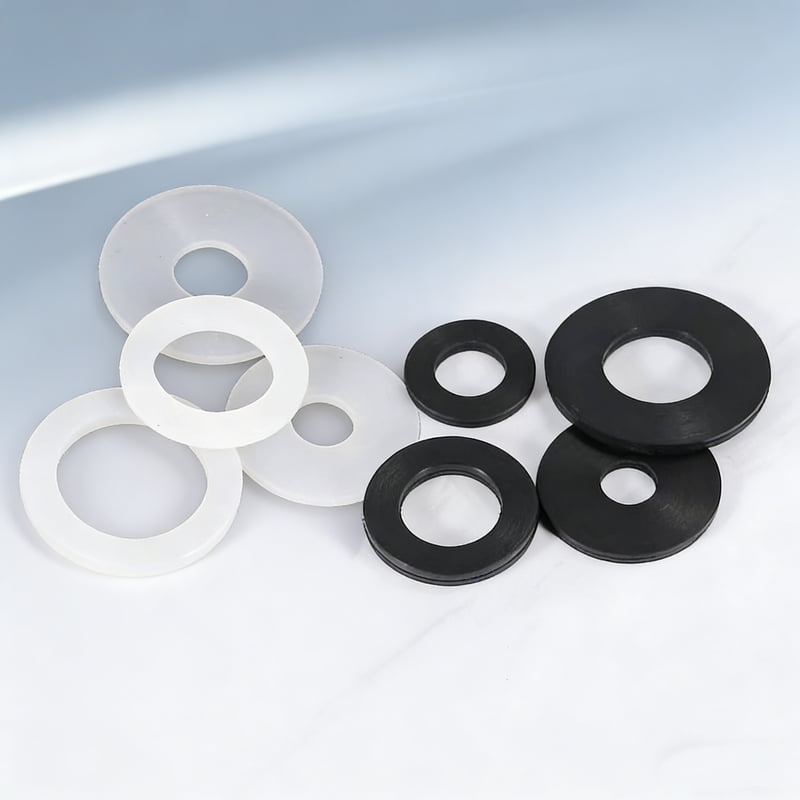
The common misunderstanding in the industry is that just selecting EPDM rubber seals1 and gaskets guarantees performance. However, many projects face premature failures due to overlooked factors.
Although EPDM is renowned for its weather resistance and aging properties, the truth is that performance can vary drastically based on formulation differences2.


One major pitfall that I frequently encounter is the assumption that all EPDM materials perform similarly. This misconception can lead to significant problems down the line. The reality is that EPDM is not a single material; it's a category of materials. The nuances in formulation, including filler ratios3, oil content, vulcanization systems4, and aging additives5, can lead to vastly different outcomes.
What Makes EPDM Performance Vary So Much?
Many people think, “As long as it’s EPDM, its performance will be consistent.” Unfortunately, this isn’t true. The performance of EPDM rubber depends heavily on its formulation. For example:
- Filler Material Ratio: The type and amount of fillers can significantly impact the material's flexibility and longevity.
- Use of Softening Agents: The inclusion of oils can affect the rubber’s behavior in various conditions.
- Vulcanization System: The method and materials used in vulcanization can alter properties like elasticity and heat resistance.
- Aging Additives: These additives help improve the rubber's longevity but can vary widely in effectiveness.
Different formulations can lead to different results. For instance, a low-cost EPDM formulation may feel soft initially but could lead to issues such as:
- Oil absorption
- Deformation
- Reduced rebound
Moreover, if the aging resistance is inadequate, outdoor use can result in:
- Surface chalking
- Cracking
- Diminished sealing performance
Thus, while they may look identical, the lifespan of EPDM products can differ by several times based on these hidden factors.
A Real-World Example
In one outdoor equipment project, we clearly specified the need for EPDM. Initial sample tests showed no issues:
- Softness
- Easy installation
- Good sealing
However, about six months later, problems arose:
- Surface whitening
- Declined rebound
- Localized leakage
Upon investigation, we discovered that we had used a high-fill, low-cost EPDM formulation that lacked adequate UV and aging resistance. After optimizing the formulation by enhancing the aging system and controlling the filler ratio, we achieved the following results:
- Initial tactile changes were minimal
- Clear improvement in stability during use
How to Avoid This Pitfall
If you're selecting EPDM rubber seals1 and gaskets, focus on these three key points:
-
Confirm the Formulation Grade Along With the Material: Don't just ask for "EPDM"; inquire about the specific formulation grade. For example, ask if there are UV-resistant options designed for outdoor or long-term use.
-
Be Cautious of Soft, Yet Overly Flexible Materials: Overly soft materials often indicate a high filler or oil content, which may signal instability in the long run.
-
Request Aging Performance References Instead of Only Initial Performance Metrics: The real question isn’t how it performs when new; it’s how it behaves after six months or a year of use. The aging resistance is what truly defines the value of EPDM.
What Should Suppliers Do?
Honestly, simply producing "EPDM" is not enough. A more effective approach is to:
- Design the formulation based on the intended environment (outdoor conditions, temperature variations, expected lifespan).
- Control the proportions of fillers and additives used.
- Provide references for aging performance or application experiences.
- Optimize formulations when necessary.
Often, the real differences lie in these unseen areas.
Final Thoughts
The problems with EPDM rubber seals1 and gaskets rarely stem from "choosing the wrong material." More often, it’s from selecting the right name but the wrong version. I have learned this lesson myself. The material name is just the starting point; the formulation is what truly matters.
Now, whenever I evaluate a product, I first confirm one thing: "Is this EPDM designed for this environment?" If this question has a solid answer, the sealing stability is usually guaranteed.
If you are currently assessing EPDM sealing solutions or are unsure if your existing material is suitable for long-term use, feel free to share your application environment with me. I can help you evaluate and mitigate risks in advance.
Explore this link to understand the critical factors in choosing EPDM rubber seals for optimal performance. ↩
Learn about the impact of formulation differences on EPDM rubber performance to make informed decisions. ↩
Discover how filler ratios influence the flexibility and longevity of EPDM rubber products. ↩
Find out how various vulcanization systems can alter the properties of EPDM rubber. ↩
Understand the importance of aging additives in enhancing the lifespan of EPDM rubber. ↩