


The first paragraph grabs attention:
Have you ever experienced sudden failures in your precision equipment due to hidden pitfalls in custom rubber products?
Compression set1 is a critical detail often overlooked during the selection of rubber seals2 or dampers. It can lead to significant failures, including leaks and costly downtimes.
The paragraph keeps the reader engaged:
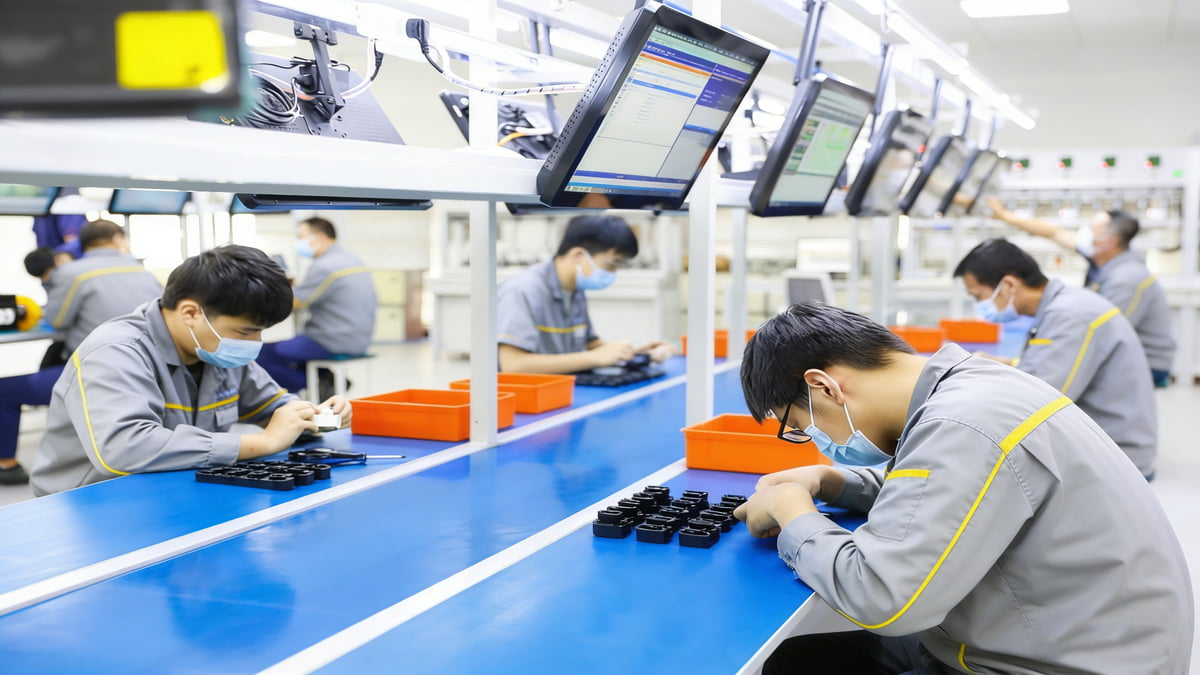
Many engineers and procurement leaders focus on precise dimensions when ordering custom rubber parts. Yet, the often-neglected aspect of compression set could determine the lifespan of your products. The question is, how can you avoid these hidden traps?
What are the Dangers of Compression Set Failures?
The first paragraph grabs attention:
It's shocking to think a seemingly perfect seal can turn into a problem over time.
New seals may perform well initially, but after a few months, they can flatten out and lose their elasticity, leading to oil or gas leaks. This isn't just material failure; it's also a loss of expensive downtime and brand reputation.
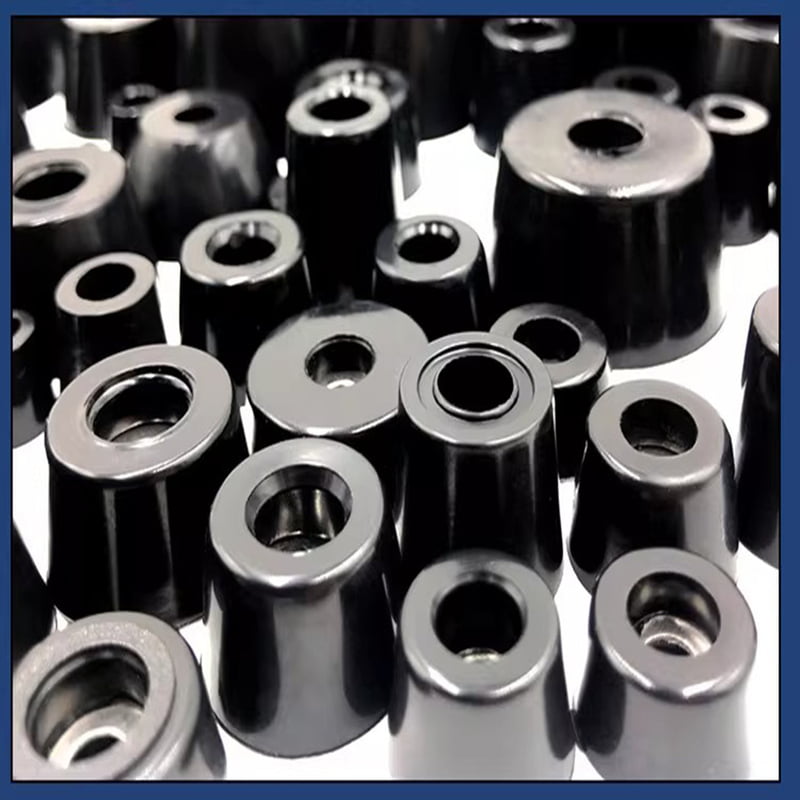
Diving deeper into the issue, let's break down how compression set failures occur. Many suppliers cut costs by using excessive low-quality fillers in their rubber formulations. As a result, while the hardness test may meet your specifications, the crosslink density3 of the material is often too low. When these seals are subjected to continuous pressure or high temperatures, the rubber molecular chains undergo irreversible displacement. In simple terms, the material compresses and cannot return to its original shape.
How Can You Avoid These Pitfalls?
The first paragraph grabs attention:
Knowing how to navigate the complexities of rubber materials can save you from major headaches.
You should request aging test reports4 from suppliers, not just the original data from when the materials were manufactured. Pay close attention to the compression set rate5s at elevated temperatures over extended periods.
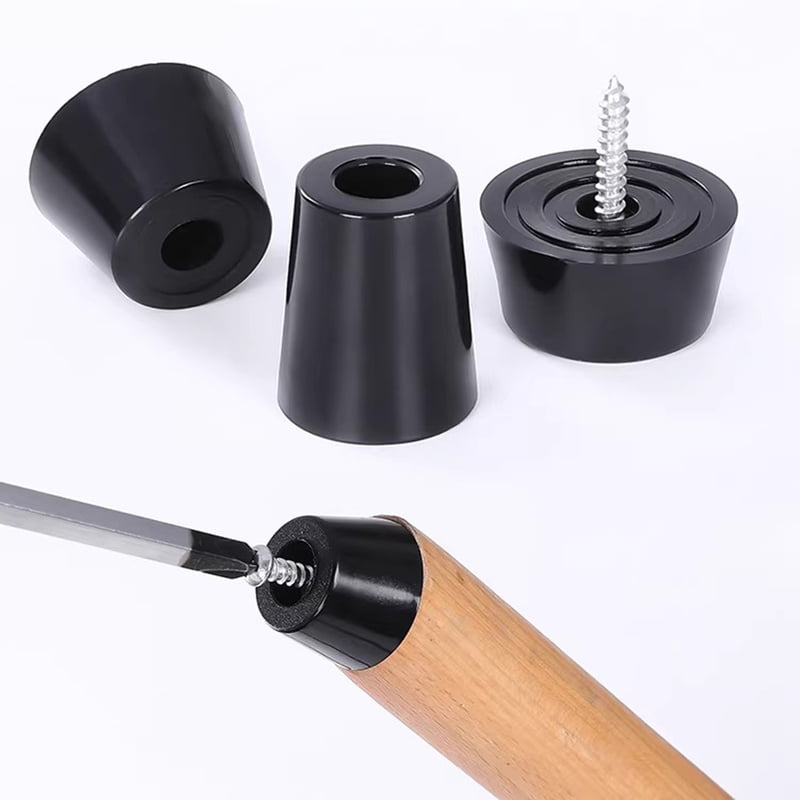
Next, it's crucial to clarify your operating conditions to your suppliers. Are the pressures intermittent or continuous? Different crosslink systems, like sulfur vs. peroxide systems, can have vastly different effects on rebound memory. Understanding these dynamics is key to choosing the right materials for your application.
How Do We Tackle This Issue at Our Factory?
The first paragraph grabs attention:
At our factory, controlling rebound isn't left to chance; it's achieved through molecular-level formula adjustments and post-cure processes.
We enhance crosslink density3 by optimizing the ratio of curing agents6 based on your application, ensuring the rubber molecules form a robust three-dimensional network.
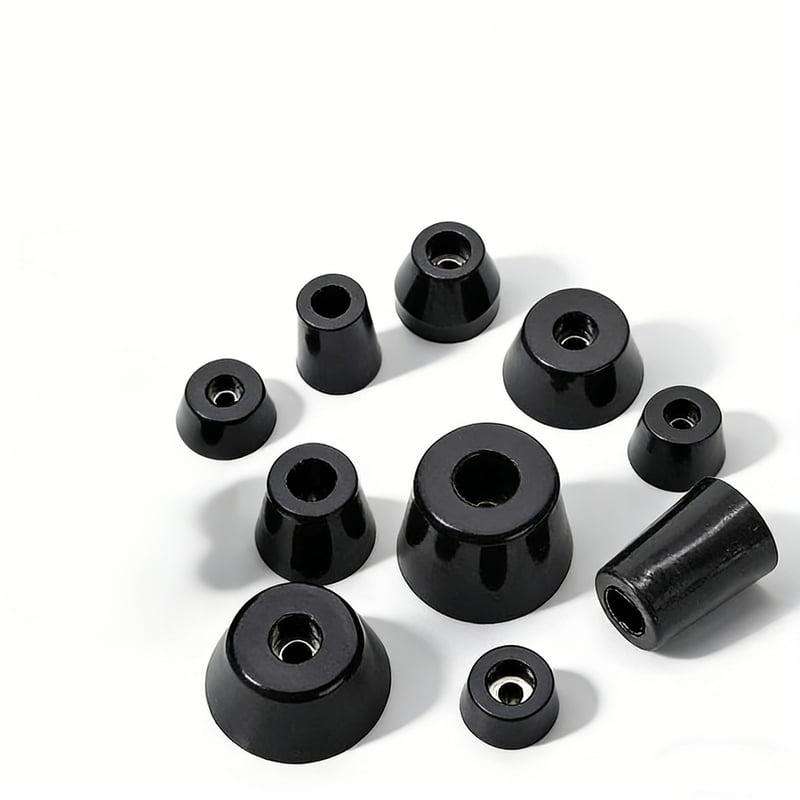
For instance, we previously worked with a client in the industrial pump sector. Their seals failed after just six months at 0.5 MPa pressure. We intervened by adjusting the copolymer structure of their fluorocarbon (FKM) and extended the post-cure time by four hours. This led to a compression set rate5 reduction from 45% to below 15%, effectively tripling their maintenance cycle.
Conclusion
Rubber parts may be small, yet they are critical in precision systems. If you face issues with seal failures or material lifespan, you don't have to worry anymore.
Our technical team is on standby, ready to provide in-depth material selection consulting. Get in touch with us to discuss your specific project challenges so we can use hard data and experience to safeguard your project.
Understanding compression set is vital for selecting durable rubber products that prevent failures and costly downtimes. ↩
Choosing the right rubber seals can significantly enhance product lifespan and performance, avoiding costly leaks. ↩
Learn about crosslink density to ensure your rubber products maintain their shape and elasticity under pressure. ↩
Aging test reports provide crucial insights into the long-term performance of rubber materials, helping you make informed decisions. ↩
Measuring compression set rate helps assess the durability of rubber products, ensuring they meet your operational needs. ↩
Understanding curing agents is essential for optimizing rubber properties and ensuring product reliability. ↩