

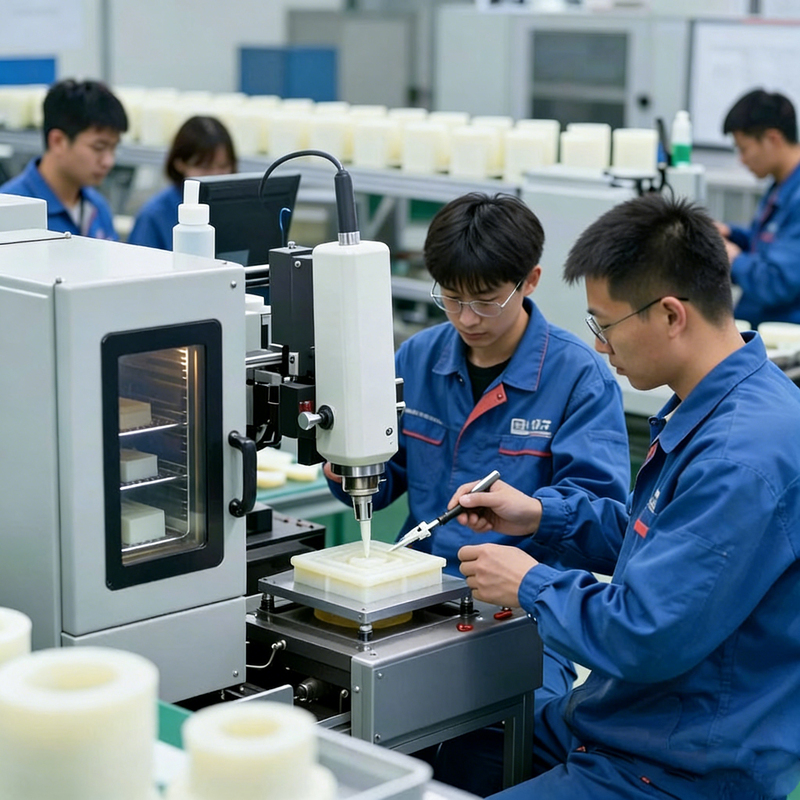
The first paragraph, which uses PAS formula to grab the reader's attention: In the B2B industrial realm, finding Custom Rubber Products1 often leads to significant engineering challenges that can derail your project and budget.
Custom Rubber Products1 can be a hidden minefield. The development process often involves hefty mold fees and months of effort, only to end with unusable final products.
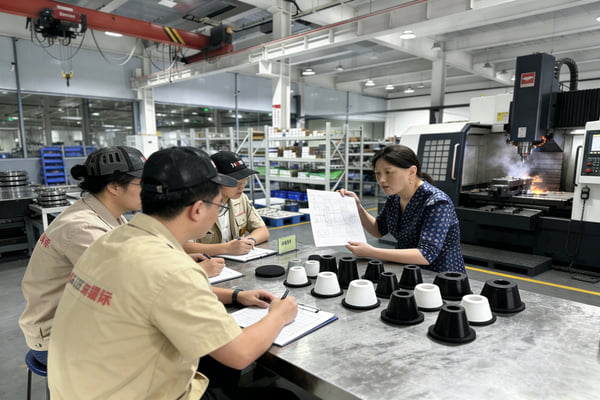
The sad truth is that many engineers and procurement specialists get caught in this web, overlooking critical factors that lead to wasted resources and time. The disconnect between mold tolerances and material shrinkage rates2 is often the silent destroyer of projects, creating frustration and delay.
What Is This "Pitfall" and How to Avoid It?
The first paragraph, which uses the PAS strategy to grab the reader's attention: Imagine perfect designs on paper, yet the results are disastrous, leaving you with parts that are either oversized or too small.
This disconnect between design and production often results from a lack of understanding of rubber material properties3. While your drawings may be marked with precise dimensions of ±0.05mm, the reality is that rubber behaves differently than metal. Each rubber formulation, be it EPDM, NBR, or silicone, has unique shrinkage characteristics during vulcanization.
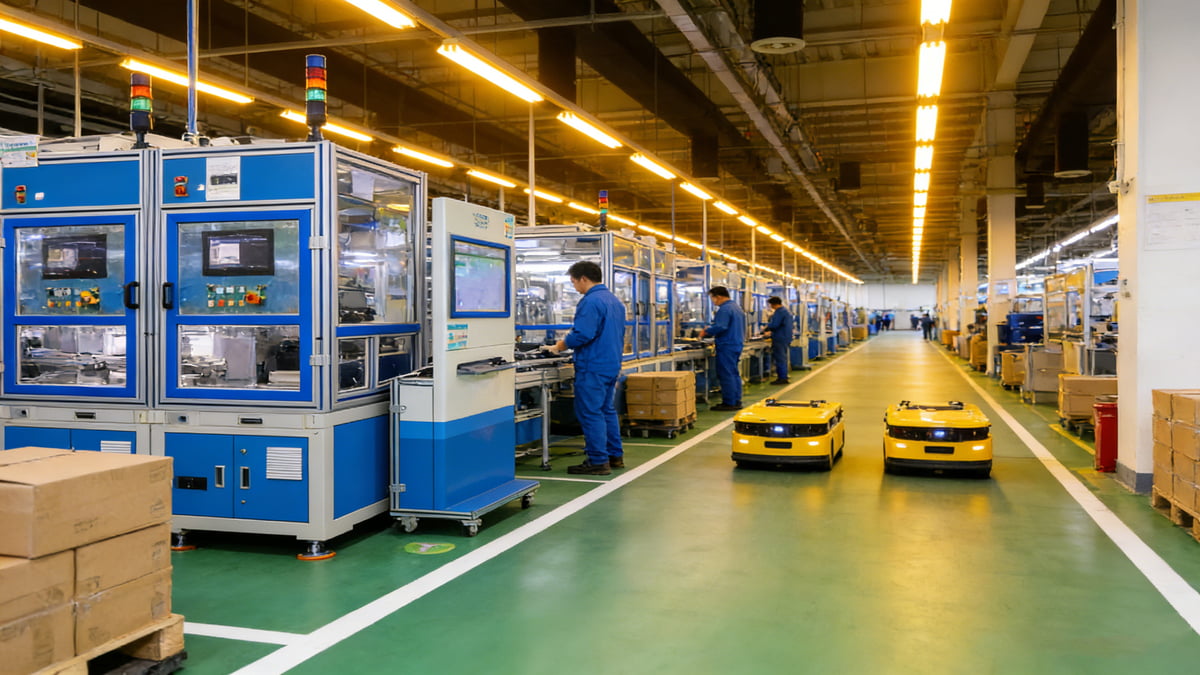
Many suppliers may simply follow your drawings without considering the material's shrinkage. This oversight can lead to hefty mold fees wasted on unusable parts, and you'll likely face project delays as well. Suppliers often shrug off responsibility, stating, "We made the molds according to your drawings." This "paper-based" manufacturing mentality can be the most expensive cost during custom projects.
How Can You Avoid This Pitfall?
To ensure your custom project is a success, I recommend holding suppliers accountable during the material selection and prototyping stages. Here are two critical actions to take:
-
Finalize the Formula Before Molding: Confirm the exact rubber material before mold production begins. Knowing how different materials shrink differently, like NBR versus silicone, is essential.
-
Request Simulation Verification: Ask suppliers for 3D simulation data4 or prototypes before any mold work is done. This allows you to verify critical dimensions and their compatibility.
How Does Our Team Tackle This "Accuracy Deviation"?
I believe that the essence of custom rubber parts lies not in the molds but in the precise control of the material properties.
Last year, a partner who specialized in precision hydraulic equipment5 needed a custom-shaped composite sealing gasket. Previous suppliers had failed twice, causing leaks due to uneven shrinkage. Our technical team stepped in; we conducted secondary research on the material formulation and calculated the precise shrinkage coefficient at specific vulcanization temperatures.
Using CNC precision machining, we accounted for optimal compensation. As a result, the first batch of samples achieved a 100% pass rate, saving the partner from incurring further mold costs and allowing them to meet their global launch deadline.
Your Unique Designs Deserve Professional Support
When you pursue innovation and precision, you shouldn't stumble over the material and mold connection.
If you are in the development phase of a new product or struggling with unstable dimensions on existing custom parts, feel free to reach out to us. Our expert engineering team has extensive experience with material libraries and mold design. We can assist from the sketch phase, offering comprehensive technical support from formulation to precision molding.
Contact us today, and let's transform your design into high-quality industrial products with precision.
Explore this link to discover essential tips for sourcing high-quality custom rubber products effectively. ↩
Understanding material shrinkage rates is crucial; this resource will help you grasp their impact on production. ↩
This link provides insights into rubber material properties that are vital for successful engineering projects. ↩
Discover how 3D simulation data can enhance your design accuracy and prevent costly errors. ↩
Explore the challenges faced in precision hydraulic equipment design to better prepare for your projects. ↩