

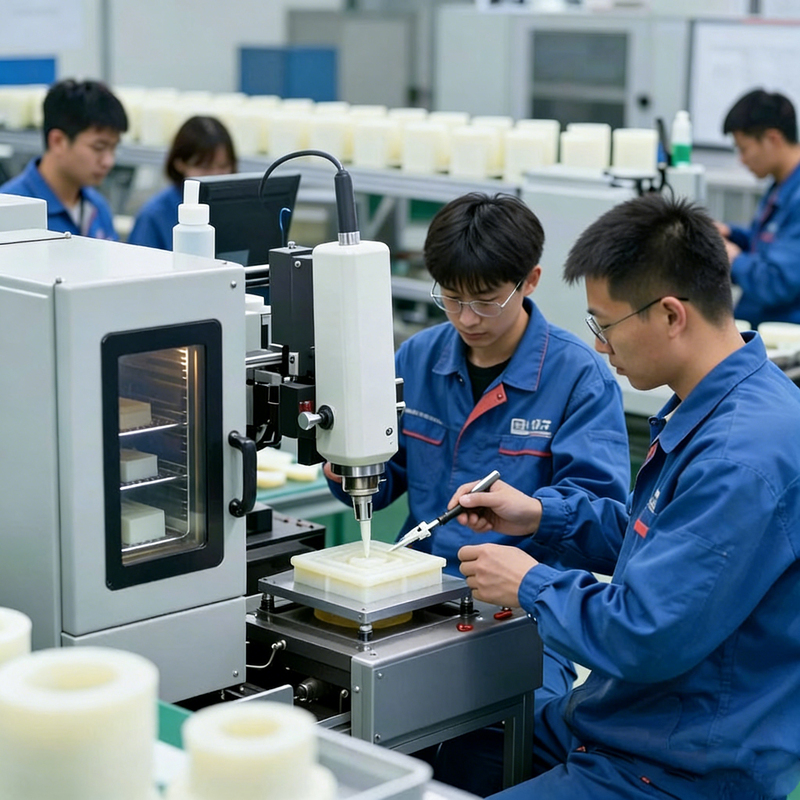
Choosing custom molded rubber products seems straightforward, but many projects fail due to poor material selection1 and performance mismatches.
Custom molded rubber products2 require careful material selection1 based on your specific operating environment. The wrong choice leads to premature failure, equipment damage, and costly replacements that could have been avoided with proper planning.
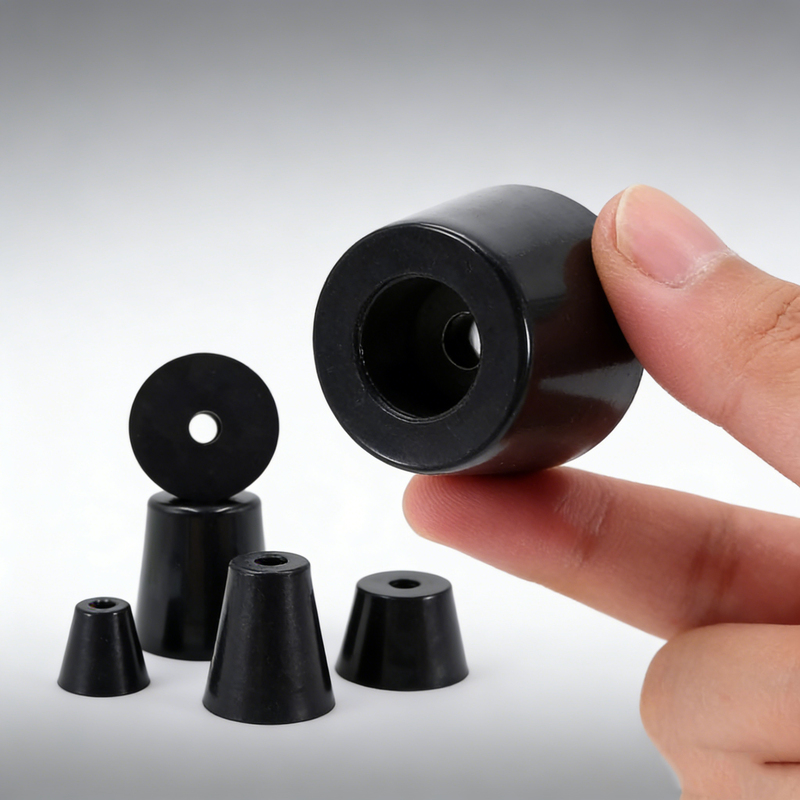
I have seen too many projects go wrong because people focus only on dimensions and forget about the environment where their rubber parts will work. Let me share what I have learned from 27 years in this industry.
What Makes Material Selection So Critical for Custom Rubber Products?
Many customers think all rubber is the same, but this assumption costs them money and creates safety risks in their operations.
Different rubber materials have vastly different temperature, chemical, and pressure resistance properties. NBR excels in oil resistance, EPDM handles weather exposure, while silicone withstands extreme temperatures from -60°C to 230°C.
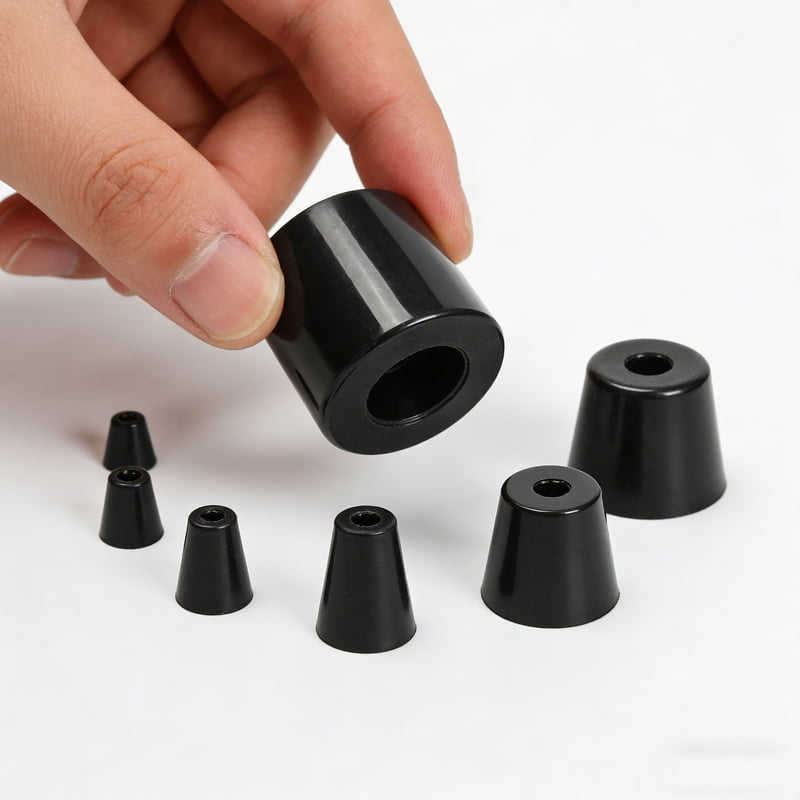
I remember working with a manufacturing team that needed custom rubber gaskets for high-temperature sealing applications. They specified the exact dimensions they wanted, but when I asked about operating temperature, they said "just normal industrial use." This vague answer worried me because "normal" means different things to different people.
Their equipment actually operated at 180°C continuously. They initially wanted standard NBR rubber because it was cheaper. However, NBR starts degrading around 120°C. I explained that their gaskets would fail within weeks, causing equipment downtime and potential safety issues.
We switched to high-temperature silicone rubber3 instead. The initial cost was 40% higher, but their gaskets now last over two years without replacement. The total cost savings from reduced maintenance and zero unexpected downtime paid for the material upgrade many times over.
Here is what you need to consider when selecting materials for custom molded rubber products:
| Environment Factor | Recommended Materials | Avoid These Materials |
|---|---|---|
| High Temperature (150°C+) | Silicone, Viton | NBR, Natural Rubber |
| Oil and Fuel Contact | NBR, Viton | EPDM, Natural Rubber |
| Weather Exposure | EPDM, Silicone | NBR, Natural Rubber |
| Food Contact | FDA Silicone4, EPDM | Standard compounds |
| Chemical Resistance | Viton, PTFE | Natural Rubber, SBR |
The key is matching your specific operating conditions with the right material properties. Temperature is often the biggest factor, but chemical exposure and mechanical stress matter just as much.
How Do You Avoid Common Design Pitfalls in Custom Rubber Manufacturing?
Design mistakes in custom rubber products often happen because people apply rigid material thinking to flexible rubber applications.
Proper design for custom rubber products requires understanding material flow, compression set5, and thermal expansion. Sharp corners, insufficient draft angles, and unrealistic tolerances cause manufacturing defects and performance failures.
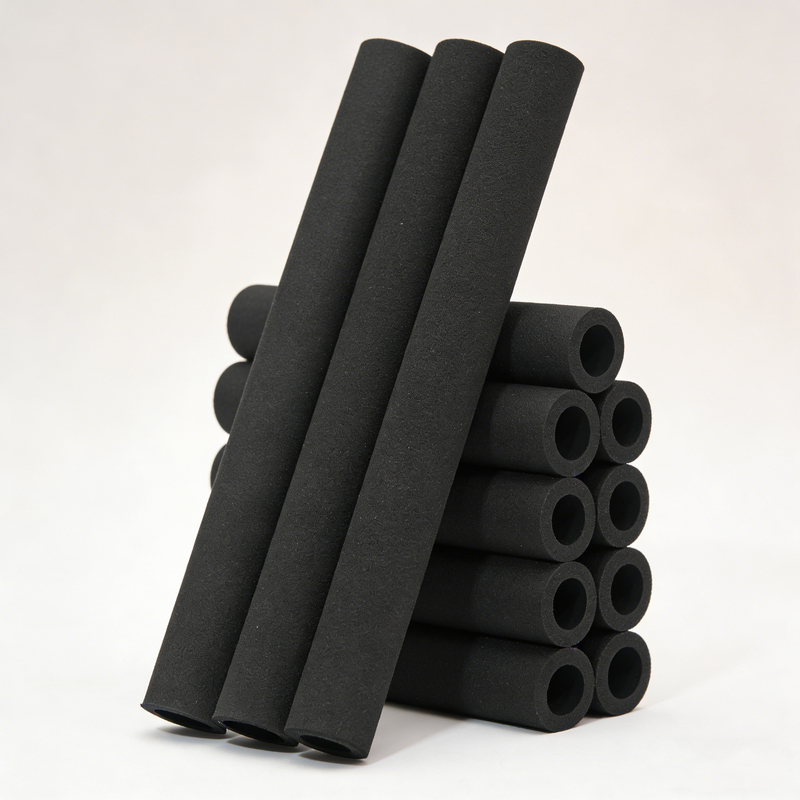
Metal parts and plastic parts follow different rules than rubber parts. Rubber is elastic and changes shape under pressure and temperature. Your design must account for these changes or your custom products will not work as expected.
I worked with an automotive supplier who designed custom rubber mounts with sharp 90-degree corners and very tight tolerances. They assumed rubber would behave like machined metal parts. The result was stress concentration at corners, leading to premature cracking and failure.
We redesigned their mounts with rounded corners and realistic tolerances based on rubber's natural behavior. The new design eliminated stress points and allowed for normal material compression. Their failure rate dropped from 15% to less than 1%.
Common design mistakes6 I see include:
Sharp Corners and Edges: Rubber concentrates stress at sharp transitions. Always use radius corners of at least 0.5mm, preferably larger. This simple change can double or triple your product lifespan.
Unrealistic Tolerances: Rubber cannot hold tolerances like machined parts. Standard molded rubber tolerances are ±0.1mm for dimensions under 25mm. Tighter tolerances require secondary operations and increase costs significantly.
Insufficient Draft Angles: Molded rubber parts need draft angles of 1-2 degrees minimum for proper release from molds. Vertical walls cause surface defects and make consistent production difficult.
Ignoring Compression Set: Rubber deforms under constant compression. If your application compresses rubber more than 25% continuously, you need to account for permanent deformation over time.
Wrong Durometer Selection: Harder rubber (higher Shore A) resists deformation but can crack under stress. Softer rubber seals better but may extrude under pressure. The sweet spot depends on your specific application.
The solution is working with experienced manufacturers who understand rubber behavior7. We provide design review services8 to catch these issues before tooling starts. A small design change early can prevent major problems later.
Why Does Prototyping Matter More for Rubber Than Other Materials?
Rubber behavior under real conditions often differs from theoretical predictions, making prototyping9 essential for custom applications.
Prototyping custom rubber products reveals material performance, fit issues, and design problems that cannot be predicted from drawings alone. Real-world testing prevents costly tooling mistakes and ensures your final products work correctly.
I learned this lesson early in my career when a customer needed custom rubber seals for hydraulic equipment. The calculations showed our design would work perfectly. We went straight to production tooling to save time and money.
The first production parts failed during pressure testing. The rubber extruded past the groove walls under high pressure. Our calculations were correct for static conditions, but we had not accounted for dynamic pressure cycling and rubber creep over time.
We had to modify the expensive production mold, which cost more than prototyping9 would have. Worse, the customer lost confidence in our ability to deliver. Since then, I always recommend prototyping9 for critical applications.
Prototyping reveals issues that drawings cannot show:
Actual Material Behavior: Rubber properties vary between suppliers and even between batches. Prototypes use your exact production material, showing real performance rather than datasheet values.
Fit and Function: Rubber compresses and deforms during installation. What looks perfect on paper may be impossible to install or may not seal properly under real conditions.
Environmental Effects: Temperature, chemicals, and UV exposure change rubber properties over time. Accelerated testing on prototypes predicts long-term performance10.
Manufacturing Consistency: Prototype tooling reveals potential production issues like air traps, flow problems, or surface defects before expensive production molds are made.
Assembly Integration: Custom rubber parts must work with your existing hardware. Prototypes verify compatibility and reveal any interference or clearance issues.
Our prototyping9 process uses the same materials and similar processes as production. This gives you confidence that production parts will perform exactly like your tested prototypes. We can produce prototype quantities from 10 to 1000 pieces in 1-2 weeks.
The small investment in prototyping9 prevents much larger problems during production. It also gives you physical parts to test and approve before committing to production tooling.
What Production Considerations Affect Custom Rubber Product Quality?
Production variables in rubber manufacturing significantly impact final product quality and consistency, requiring careful process control.
Successful custom rubber production depends on precise temperature control, cure time optimization11, and material preparation12. Small variations in these factors cause dimensional changes, surface defects, and performance inconsistencies that affect your final product quality.
Rubber manufacturing is more art than science in some ways. The same formulation can produce different results depending on mixing time, storage conditions, mold temperature, and cure cycles. This is why choosing an experienced manufacturer matters so much.
I remember a project where we had to match parts made by another supplier. The customer provided samples and specifications, everything looked straightforward. However, our first production run came out 5% larger than the original parts.
The issue was cure temperature. The original manufacturer used lower temperature and longer cure time, while we used higher temperature and shorter time. Both methods fully cure the rubber, but thermal expansion during cure affected final dimensions differently.
We adjusted our process to match their cure profile, and our parts matched perfectly. This taught me that production parameters are just as important as material formulation.
Key production factors that affect quality include:
Material Preparation: Rubber compounds must be mixed thoroughly and stored properly. Incomplete mixing creates weak spots and inconsistent properties. We pre-warm materials to ensure consistent flow and eliminate air bubbles.
Mold Temperature Control: Temperature affects cure rate, flow properties, and final dimensions. We maintain mold temperatures within ±2°C to ensure consistent results. Temperature variations cause dimensional changes and surface defects.
Cure Time and Pressure: Under-cured rubber lacks strength and resilience. Over-cured rubber becomes brittle and may crack. We optimize cure cycles for each material and part geometry to achieve optimal properties.
Deflashing and Finishing: Molded rubber parts have flash that must be removed carefully. Aggressive deflashing can damage part edges and affect sealing performance. We use specialized techniques to maintain critical dimensions.
Quality Control Testing: We test material properties, dimensions, and visual appearance on every production lot. This ensures consistency and catches any process variations before parts ship to customers.
Environmental Control: Humidity and temperature in the production area affect material behavior and cure characteristics. We maintain controlled conditions to ensure consistent processing.
Our production team has decades of experience optimizing these variables for different materials and applications. We document successful parameters for each custom product, ensuring consistent quality on repeat orders.
How Do You Ensure Long-Term Performance in Custom Rubber Applications?
Long-term performance of custom rubber products depends on proper material selection1, design optimization, and understanding of aging mechanisms in your specific environment.
Custom rubber products maintain performance through careful material selection1, stress reduction design, and environmental protection. Understanding compression set5, thermal aging, and chemical degradation helps predict service life and prevent premature failures.
The biggest mistake I see is focusing only on initial performance without considering how rubber properties change over time. Rubber is not like metal or plastic. It continues to change throughout its service life due to chemical reactions, physical stress, and environmental exposure13.
A customer once asked why their custom rubber seals needed replacement every six months when the competitor claimed five-year life. After investigating, I found they were using general-purpose rubber in a high-ozone environment. Ozone attacks most rubber types, causing cracking and loss of elasticity.
We switched to EPDM rubber with ozone-resistant additives. Their seals now last over three years with no signs of degradation. The material cost was only 20% higher, but the total cost of ownership dropped dramatically due to reduced replacement frequency.
Factors affecting long-term performance10 include:
Compression Set: Rubber under constant compression gradually loses its ability to return to original shape. This is normal but must be accounted for in design. Parts compressed more than 25% continuously should be designed with backup sealing or replacement intervals.
Thermal Aging: Heat accelerates chemical reactions in rubber, causing hardening and eventual cracking. Each 10°C temperature increase roughly doubles the aging rate. Selecting materials with appropriate temperature ratings ensures adequate service life.
UV and Ozone Resistance: Outdoor applications require materials that resist UV radiation and ozone attack. Standard rubber compounds degrade quickly in sunlight. UV-stabilized materials or protective coatings extend service life significantly.
Chemical Compatibility: Contact with oils, solvents, or other chemicals can cause swelling, softening, or chemical breakdown. Material selection must consider all chemicals the rubber will encounter, including cleaning agents and lubricants.
Dynamic Stress: Moving parts experience cyclic stress that can cause fatigue cracking. Design must minimize stress concentration and select materials with good fatigue resistance for dynamic applications.
Environmental Cycling: Temperature and humidity changes cause expansion and contraction that stresses rubber parts. Design should allow for thermal movement and material selection1 should consider the full temperature range.
We provide accelerated aging tests14 that simulate years of service in weeks. This helps predict actual service life and optimize material selection1 for your specific conditions. We also offer design recommendations to minimize stress and extend service life.
The goal is matching material capabilities with your a
Understanding material selection can prevent costly failures and enhance product performance. ↩
Explore expert insights on selecting the right custom molded rubber products for your specific needs. ↩
Find out why high-temperature silicone rubber is a superior choice for extreme conditions. ↩
Learn why FDA silicone is the preferred choice for food contact applications. ↩
Understanding compression set is crucial for ensuring the longevity of rubber products. ↩
Avoid costly design mistakes by learning from industry experts on rubber product design. ↩
Understanding rubber behavior is crucial for successful design and manufacturing of rubber products. ↩
Design review services can catch potential issues early, saving time and costs in production. ↩
Prototyping can save you from costly mistakes and ensure your designs work as intended. ↩
Understanding these factors can help you select materials that ensure long-lasting performance. ↩
Learn how optimizing cure time can enhance the quality and durability of rubber products. ↩
Proper material preparation is key to ensuring the quality and performance of rubber products. ↩
Learn how environmental factors can impact the performance and longevity of rubber materials. ↩
Discover how accelerated aging tests can predict the service life of rubber materials. ↩