

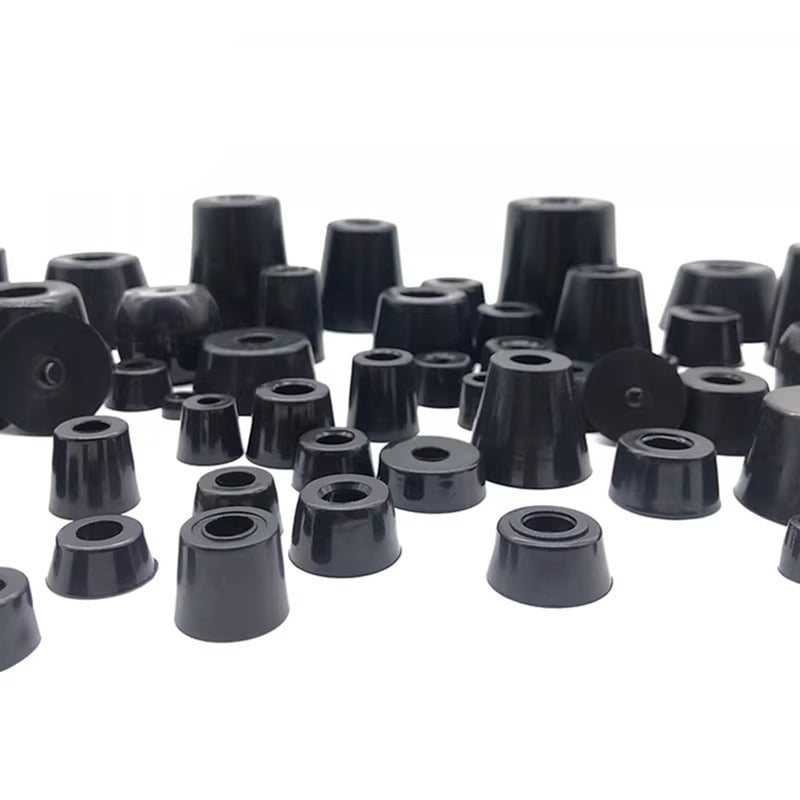
Vibration damping mounts are often overlooked in the selection process. Many projects frequently change suppliers, yet the issues remain unresolved.
The main problem is usually not the product itself, but rather a critical point that gets ignored: focusing solely on “load capacity1” without considering “vibration frequency2.” This can be the most fatal mistake.
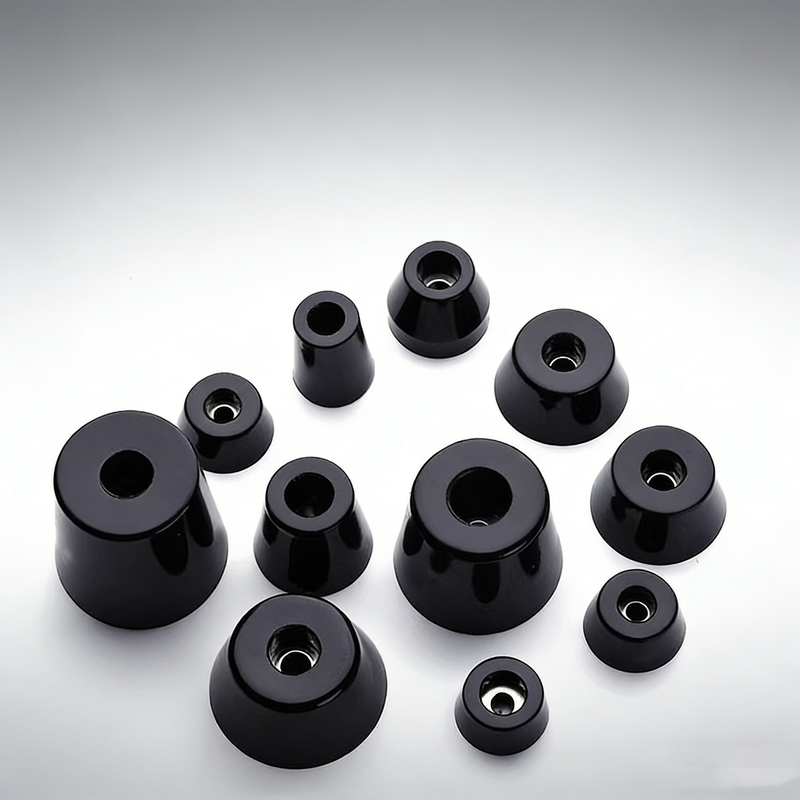
When selecting vibration dampers, many people instinctively ask:
- How much does the equipment weigh?
- What is the load capacity1 of each support point?
Then they choose damping pads based on the load range.
However, the reality is that the essence of damping is not just about load capacity1; it’s about avoiding resonance3.
If you choose the wrong frequency, what happens?
- Vibration may not reduce, but instead, it can be amplified.
- Equipment noise can increase.
- This can lead to structural fatigue or even damage over time.
I once handled a case where a machine clearly vibrated during operation. The client had already changed two batches of damping pads, and the parameters seemed fine:
- The load capacity1 matched perfectly.
Yet, the problem persisted.
Then I asked the engineers to do one simple thing:
- Measure the actual vibration frequency2 of the equipment.
The result revealed that the machine's operational frequency was close to the inherent frequency of the dampers.
This signified that resonance3 was occurring.
Later, we adjusted two key factors:
- Changed the rubber hardness to modify the inherent frequency.
- Optimized the structural design.
The outcome was remarkable:
- Vibration decreased by over 60%.
How can you avoid this pitfall?
If you are currently selecting damping mounts, I suggest confirming one crucial aspect first:
- What is the working frequency of your equipment?
Then ensure:
- The inherent frequency of the dampers does not equal the working frequency of the equipment (there should be ample isolation).
In simple terms:
- It’s not just about being harder or softer; it’s about matching correctly.
How do we help you avoid this issue?
Internally, for every damping project, I always request the engineering team to conduct a frequency matching analysis4, rather than merely load calculations.
This includes:
- Calculation of inherent frequencies.
- Dynamic response assessments.
- Material hardness matching (Shore A adjustments).
- Verification under actual working conditions.
The benefit of this approach is that:
- We avoid “going in the wrong direction” from the start.
Why Is Frequency Matching So Important?
When it comes to vibration damping, frequency matching is crucial. Many people overlook this aspect and focus too much on load-bearing capabilities.
However, if the inherent frequency of the damping mount aligns too closely with the equipment's operating frequency, resonance3 occurs. This can lead to problems that are often misdiagnosed as issues with the damping material itself.
Understanding Resonance and Its Effects
Resonance occurs when the frequency of an external force matches a system's natural frequency. This can cause the system to vibrate with larger amplitudes, which leads to:
| Effect | Result |
|---|---|
| Increased vibration | Higher operational noise |
| Structural fatigue | Potential equipment damage |
| Decreased lifespan of components | More frequent maintenance or replacements |
In the case I discussed earlier, the equipment continued to vibrate excessively until we identified the misalignment of frequencies.
How to Analyze Your Equipment's Frequency
To properly analyze the frequency, one can use specific tools such as accelerometers or vibration analyzers5. These devices can measure the vibration frequency2 of your equipment accurately.
Once you have the frequency, it’s essential to work with a supplier who understands the importance of matching the inherent frequency of the damping mount to the equipment's operational frequency.
Conclusion
In summary, if you are facing challenges with vibration damping, such as insufficient results or increased noise, the likely issue could be a frequency mismatch. If unsure, you can share your equipment parameters or application scenarios with me. My team and I can help quickly assess and offer more effective damping solutions.
Sometimes, truly effective damping does not rely on “more expensive products,” but rather on selecting the right one.
Learn about the significance of load capacity in vibration damping and how it affects performance. ↩
Discover how vibration frequency influences equipment efficiency and longevity. ↩
Understanding resonance is crucial for preventing equipment damage; this resource explains its effects. ↩
Understand the concept of frequency matching analysis and its critical role in selecting damping solutions. ↩
Learn about vibration analyzers and how they can help in accurately measuring equipment frequencies. ↩