

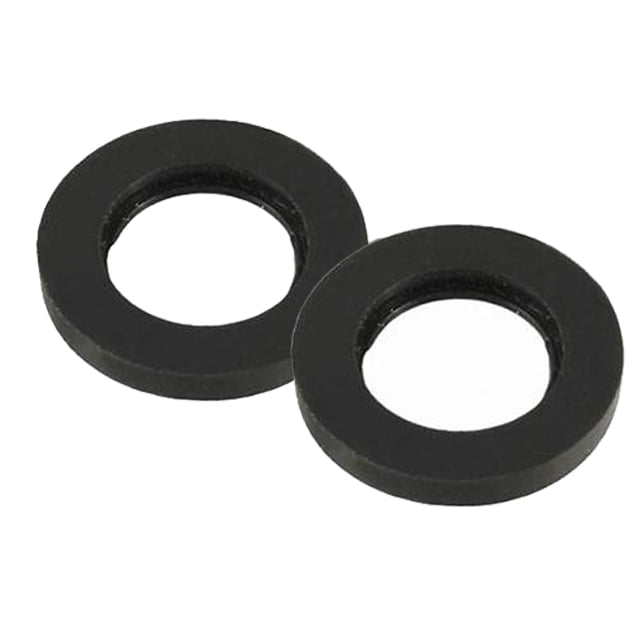
The automotive industry faces a significant challenge when it comes to rubber components. Change suppliers, and the same issues arise again and again.
In the automotive rubber component sector, many projects switch suppliers but still face recurring problems like noise, aging, cracking, and seal failure. A new batch works for a while, then the issues resurface.
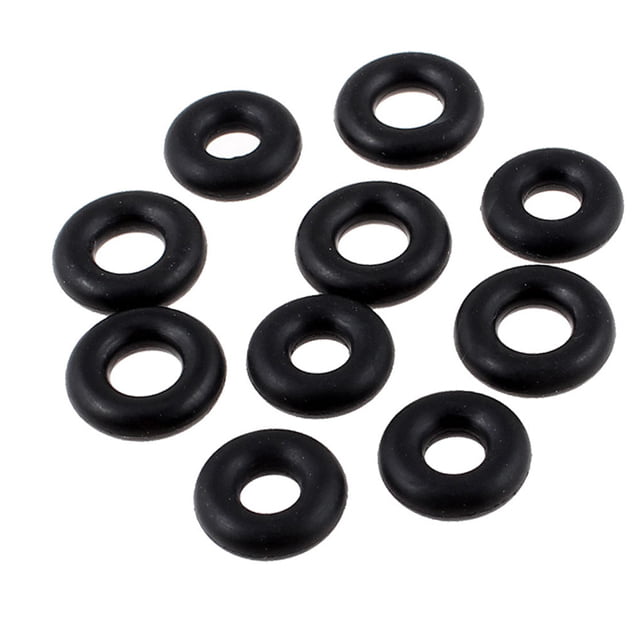
When I think about the biggest pitfall, one thing stands out.
⚠️ The biggest pitfall: focusing only on sample quality while ignoring “batch consistency control1.”
Many professionals evaluate automotive rubber components2 by looking closely at:
- Are the samples within size specifications?
- Do they meet initial performance standards?
- Is the appearance acceptable?
These are important factors, but the real key to stability is whether every batch produced is “consistently the same.”
🔍 Why is this pitfall often overlooked?
During the sample stage, everything is usually in “best condition”:
- The materials are new.
- The processes are stable.
- The inspections are strict.
However, once mass production kicks in, lack of control can lead to:
❌ Fluctuations in formulation
Inconsistent hardness between batches
Changes in rebound performance
❌ Variations in process
Deviations in curing time/temperature
Tiny shifts in dimensions
❌ Differences in raw materials
Different rubber batches
Changes in additive ratios
👉 These issues may not be obvious with a single batch, but they emerge over time with consistent use.
📌 A real situation I managed involved an automotive sealing strip project:
Initial sample tests passed with flying colors. After installation, it performed well briefly.
Yet, a few months in, problems began to surface:
- Local hardening
- Poor sealing
- Noise issues
Even after replacement, the problems returned.
Upon deeper analysis, we discovered:
👉 The issue was not in the design or the type of materials.
👉 It lay in the significant performance variability3 between different batches.
The solution was straightforward:
- Stabilize the formulation system
- Rigorously control the curing process4
- Establish standards for batch consistency
The result was:
Performance became stable across each batch, and the issues disappeared entirely.
✅ How to avoid this pitfall (key methods):
1️⃣ Don't just consider samples; assess “mass production capability5.”
Focus on:
- Is there a stable formulation system6?
- Are there standards for batch control?
2️⃣ Confirm the “fluctuation range7” of key parameters.
For example:
- Hardness (Shore A)
- Rebound performance
- Compression set
👉 The key is not just the values but their “stability.”
3️⃣ Demand long-term performance, not just short-term tests.
Automotive applications often involve:
- Extended usage
- Temperature fluctuations
- Vibration environments
👉 If you only consider initial performance, you risk misjudgment.
🧩 From the supplier's perspective, what should really be done?
Honestly, producing “acceptable samples” is not enough.
A more reasonable approach should include:
- Establishing a stable material formulation system
- Strictly controlling production process parameters
- Managing batch consistency
- Providing long-term performance validation8 data
Often, the real difference does not lie in the product itself but in the “ability to deliver consistently.”
🤝 A final piece of advice:
The difficulty with automotive rubber components2 is never just in “making them.” Instead, it lies in ensuring:
Every batch is as good as the first.
I have seen too many projects where “samples are great, but mass production fails.” So now, whenever I evaluate, I always ask:
“Can this product be consistently produced the same way a thousand times?”
If there’s a clear answer, the project is likely on solid ground.
If you are working on automotive rubber component development or facing batch inconsistency issues, feel free to share your application scenarios. I can help assess the situation and address any risks early on.
Understanding batch consistency control is crucial for ensuring quality and performance in automotive rubber components. ↩
Explore the common issues faced in automotive rubber components to better understand the challenges in the industry. ↩
Discover the factors that lead to performance variability in rubber components and how to mitigate them. ↩
Understanding the curing process is essential for achieving optimal performance in rubber manufacturing. ↩
Learn how to evaluate mass production capability to ensure consistent quality in manufacturing processes. ↩
A stable formulation system is vital for maintaining quality; learn how it affects rubber production. ↩
Explore the concept of fluctuation range to understand its impact on product quality and consistency. ↩
Validating long-term performance is key to ensuring reliability in automotive components over time. ↩