

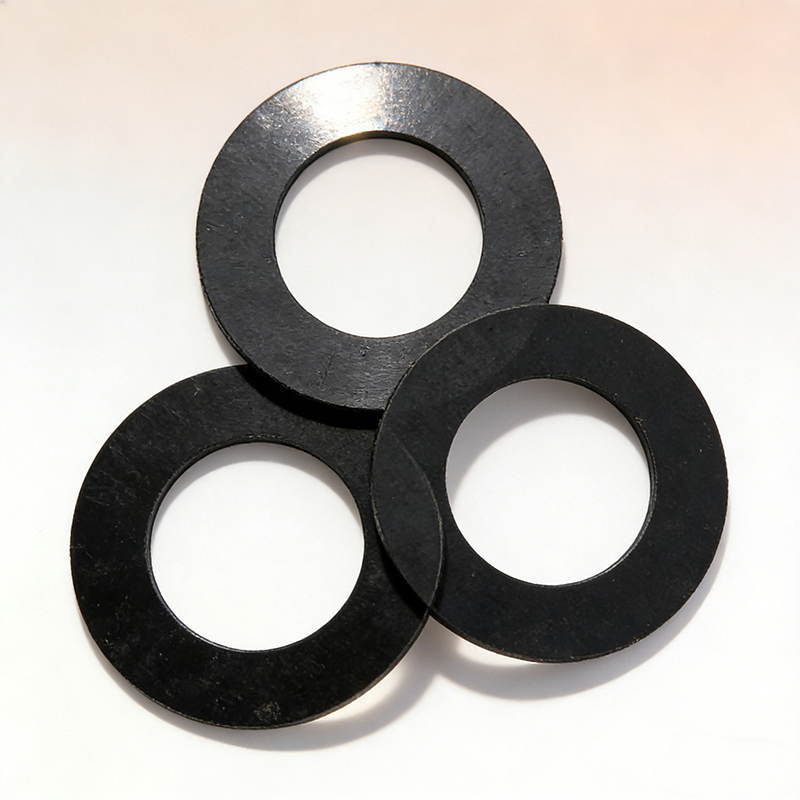
Many engineers and procurement teams face costly equipment failures1 because they overlook key factors when selecting gaskets and seals for their applications.
Choosing the wrong gasket material can lead to leaks, corrosion, and premature wear that compromises your entire system's performance. The right material selection based on operating conditions, temperature ranges2, and chemical compatibility3 prevents these expensive failures and ensures long-term reliability.
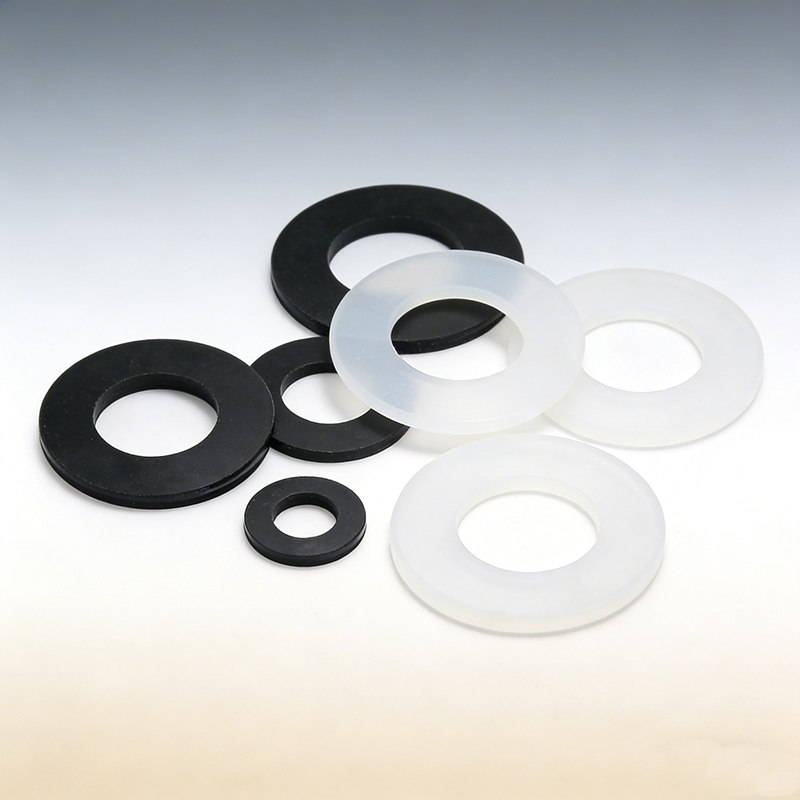
I have seen too many projects suffer from seal failures that could have been prevented with proper material selection. Let me share what I have learned from 27 years in this industry.
What Happens When You Choose the Wrong Seal Material?
Poor material selection creates problems that often do not show up immediately but cause major headaches down the road.
Wrong gasket materials fail under operating conditions, causing system leaks, equipment damage, and costly downtime. Temperature extremes, chemical exposure, and pressure variations4 destroy incompatible materials within months of installation.
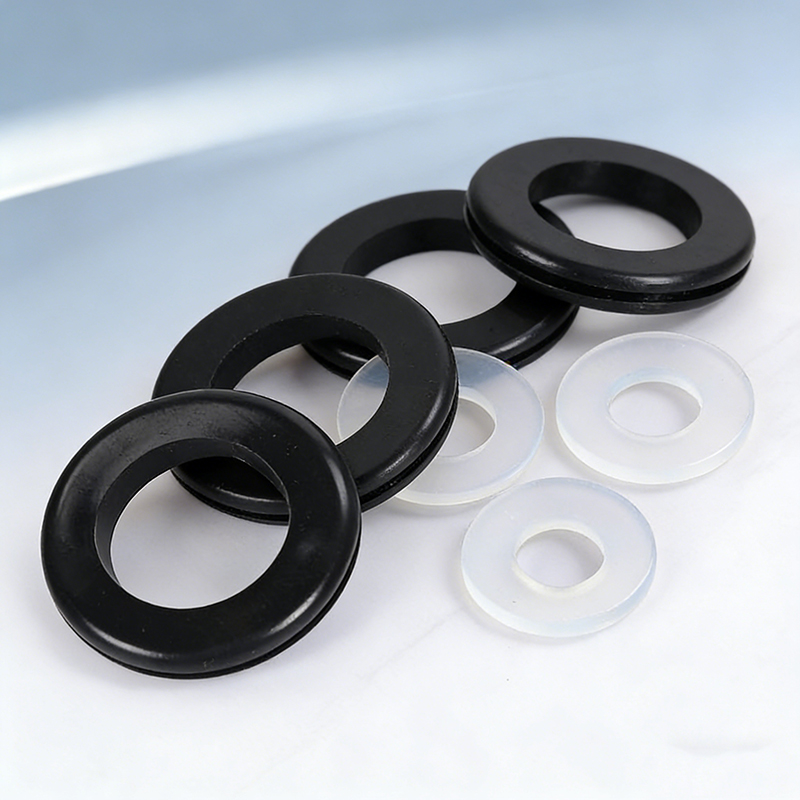
I worked with a client who selected standard rubber gaskets for their high-temperature, high-pressure application. They wanted to save money on the initial purchase. Within six months, the seals aged, cracked, and caused system leaks. The repair costs and production downtime far exceeded what they would have spent on the right materials from the start.
This pattern repeats across industries. Companies focus on upfront costs instead of total cost of ownership5. They end up paying much more for emergency repairs, replacement parts, and lost production time. The wrong material choice creates a domino effect of problems.
Common Material Selection Mistakes
| Mistake | Consequence | Better Choice |
|---|---|---|
| Standard rubber in high heat | Cracking and aging | EPDM or silicone |
| Generic seals in chemical environments | Swelling and degradation | PTFE or Viton |
| Wrong durometer for pressure | Extrusion or compression set | Proper hardness rating |
| Ignoring temperature cycling | Fatigue cracking | Temperature-stable compounds |
Temperature compatibility stands as the most critical factor. Many standard rubbers start degrading above 150°F. Chemical compatibility comes next. Oils, solvents, and acids attack the wrong materials. Pressure ratings matter too. Soft materials extrude under high pressure while hard materials may not seal properly at low pressure.
How Do You Match Materials to Your Operating Conditions?
Understanding your specific environment helps you choose materials that will perform reliably for years.
Match gasket materials to your operating temperature, chemical exposure, and pressure requirements. PTFE works for high temperatures and chemical resistance, while EPDM handles weather and ozone exposure, and NBR provides excellent oil resistance.
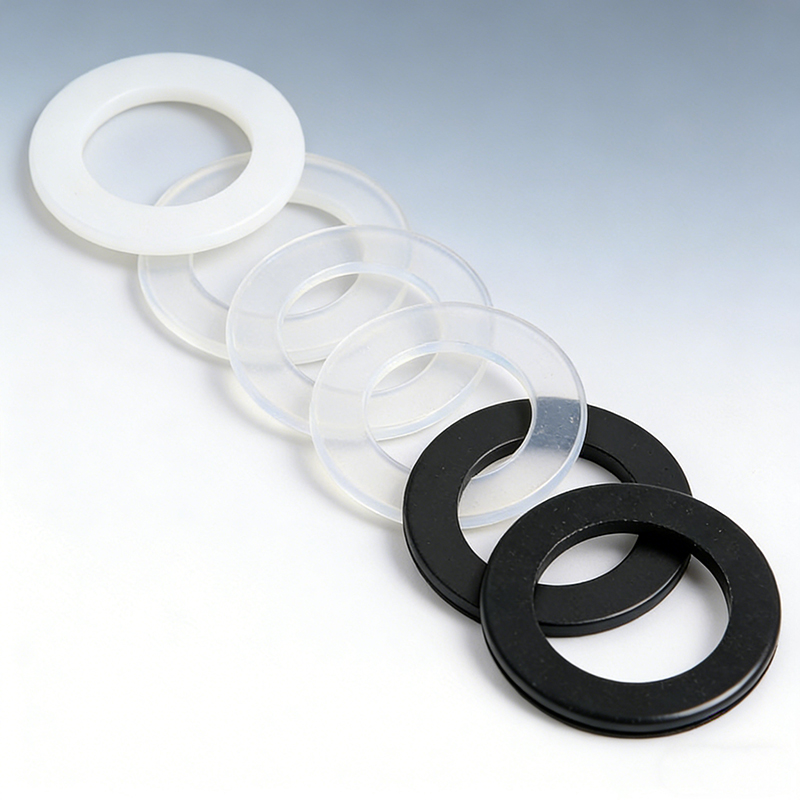
Start with your operating temperature range. This eliminates many material options right away. Silicone works from -65°F to 400°F. EPDM handles -40°F to 300°F. PTFE can go up to 500°F continuously. Standard rubber compounds fail above 200°F.
Next, identify any chemicals your seals will contact. Oils require NBR or Viton. Acids need PTFE or specialized compounds. Steam applications demand EPDM. Food contact requires FDA-approved materials6. Each chemical family attacks specific polymer types.
Material Selection Framework
| Application Type | Recommended Material | Key Benefits |
|---|---|---|
| High temperature (300°F+) | Silicone or PTFE | Heat stability, flexibility |
| Oil and fuel contact | NBR or Viton | Chemical resistance |
| Weather exposure | EPDM | Ozone and UV resistance |
| Food processing | FDA silicone | Safety compliance |
| Chemical processing | PTFE | Universal chemical resistance |
Pressure considerations affect material hardness. Low-pressure applications need softer compounds for good sealing. High-pressure systems require harder materials to prevent extrusion. Dynamic seals need different properties than static seals. Movement creates wear and heat that affects material choice.
Why Do Standard Sizes Often Fail in Critical Applications?
Off-the-shelf gaskets rarely provide optimal sealing for custom applications and unique operating conditions.
Standard gasket sizes use generic materials and dimensions that may not match your specific groove geometry, surface finish, or operating conditions. Custom gaskets ensure proper compression, material compatibility, and dimensional accuracy7 for reliable sealing.


Generic gaskets come in limited material options. Manufacturers choose materials that work for the broadest range of applications. This compromise approach means the material may not be ideal for your specific conditions. Custom gaskets let you optimize material properties for your exact requirements.
Dimensional accuracy matters more than most people realize. Standard gaskets have wider tolerances to keep costs down. Critical applications need precise dimensions to ensure proper compression and sealing force. Too much compression damages the gasket. Too little compression allows leakage.
Custom Gasket Advantages
| Factor | Standard Gasket | Custom Gasket |
|---|---|---|
| Material options | Limited selection | Optimized compounds |
| Dimensional tolerance | ±0.1mm typical | ±0.05mm achievable |
| Shape complexity | Simple profiles only | Complex geometries |
| Volume flexibility | Fixed quantities | Any quantity needed |
| Lead time | Immediate | 2-3 weeks typical |
Surface finish compatibility requires attention too. Rough surfaces need softer materials to conform and seal. Smooth surfaces work with harder compounds. Standard gaskets assume average surface conditions. Custom solutions account for your actual surface finish.
Installation requirements vary by application. Some gaskets need specific torque sequences. Others require special tools or techniques. Custom gaskets come with detailed installation instructions. This guidance helps you achieve proper sealing from the start.
How Can Expert Support Prevent Costly Seal Failures?
Working with experienced suppliers provides technical guidance that prevents material selection mistakes and installation problems.
Expert suppliers analyze your operating conditions, recommend optimal materials, and provide installation guidance8 that prevents common failure modes. This technical support9 reduces development time and ensures reliable sealing performance from the start.
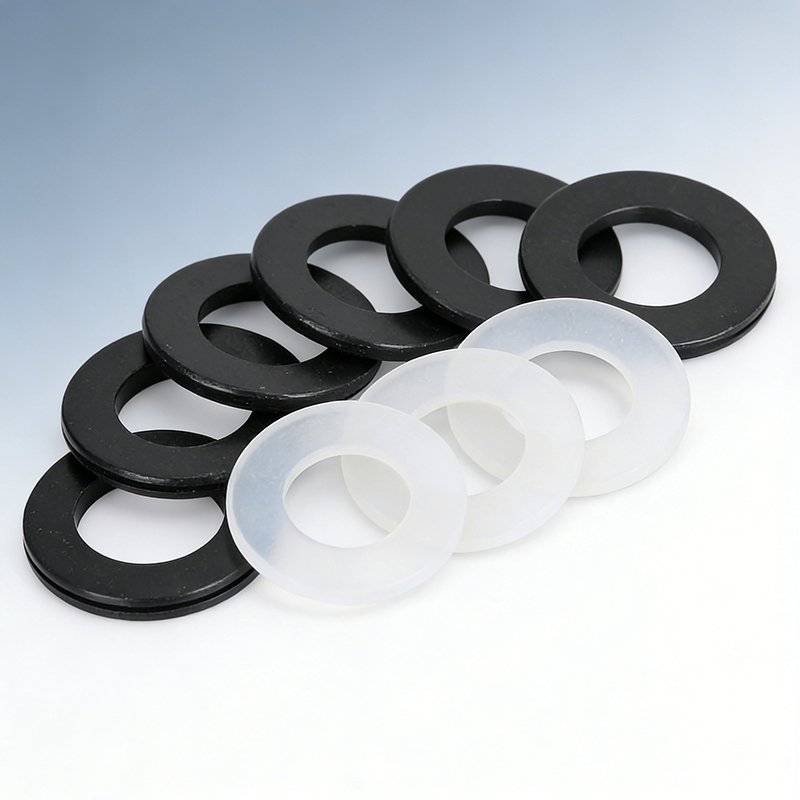
We start every project by understanding your complete operating environment. Temperature ranges, pressure levels, chemical exposure, and dynamic requirements all affect material choice. Many customers focus on one factor while missing others that could cause failures.
Our material database10 includes performance data for hundreds of compounds. We can quickly identify materials that meet your requirements and flag potential issues. This saves you time testing materials that will not work. It also prevents expensive failures from poor choices.
Our Technical Support Process
| Step | Activity | Outcome |
|---|---|---|
| 1 | Application analysis | Operating requirements documented |
| 2 | Material recommendation | Optimal compounds identified |
| 3 | Design review | Dimensional optimization |
| 4 | Prototype testing | Performance validation |
| 5 | Production support | Quality assurance |
Installation guidance prevents many field problems. Proper surface preparation, torque specifications, and assembly sequences ensure good sealing. We provide detailed instructions based on your specific application. This reduces installation errors that cause premature failures.
Quality documentation supports your compliance requirements. We provide material certifications, test reports, and traceability records. This paperwork satisfies regulatory requirements and supports your quality systems. It also helps troubleshoot any issues that might arise.
Conclusion
Proper gasket and seal selection requires understanding your operating conditions and matching them to appropriate materials and designs for long-term reliability.
Understanding the causes of equipment failures can help you prevent costly downtime in your projects. ↩
Learn about the temperature limits of various gasket materials to avoid premature failures. ↩
This link will guide you on how to ensure your gasket materials are compatible with the chemicals they will encounter. ↩
This resource explains how pressure changes can impact the choice of gasket materials. ↩
This resource discusses the importance of considering total cost of ownership in material selection. ↩
Find out which materials are safe for food processing applications to ensure compliance. ↩
Understanding the importance of dimensional accuracy can help you achieve better sealing performance. ↩
Explore this guide for best practices to ensure proper installation and prevent seal failures. ↩
Discover how expert technical support can help you avoid costly mistakes in gasket selection. ↩
Learn how a material database can help you find the right materials for your sealing needs. ↩