

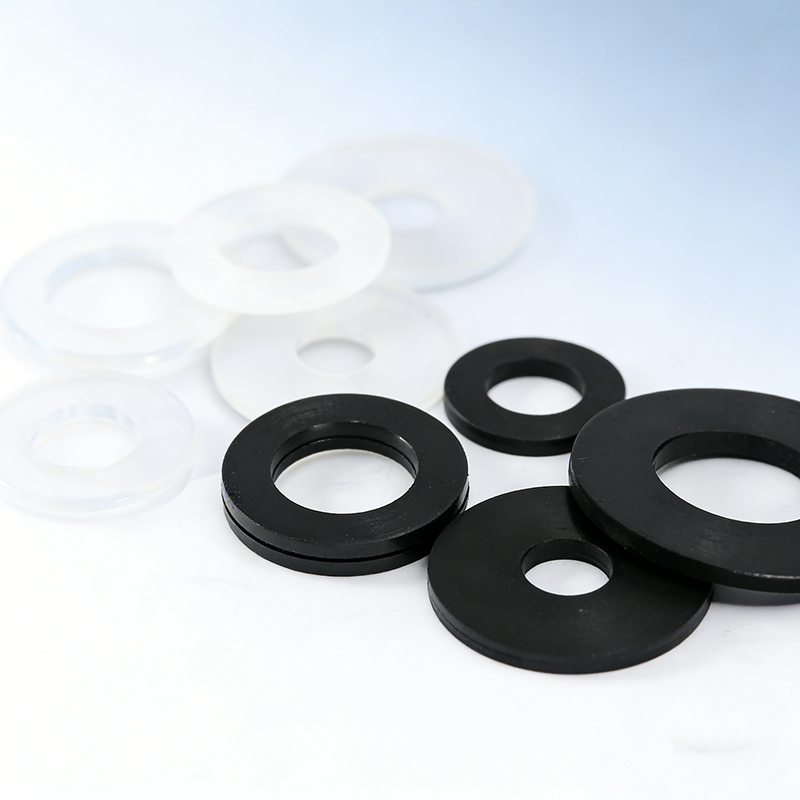
You just bought what seemed like a perfect gasket. Then six months later, your entire system fails.
A 2 inch rubber gasket1 is a circular sealing component with a 2-inch diameter, designed to prevent fluid leakage between mating surfaces in pipes, flanges, and mechanical assemblies. The right material selection and quality standards determine whether your gasket protects your system or becomes its weakest link.


I have seen too many engineers learn this lesson the hard way. Let me share what really matters when choosing these seemingly simple components.
What Makes a 2 Inch Rubber Gasket Actually Work?
Your gasket looks simple from the outside. But failure happens when you ignore the details inside.
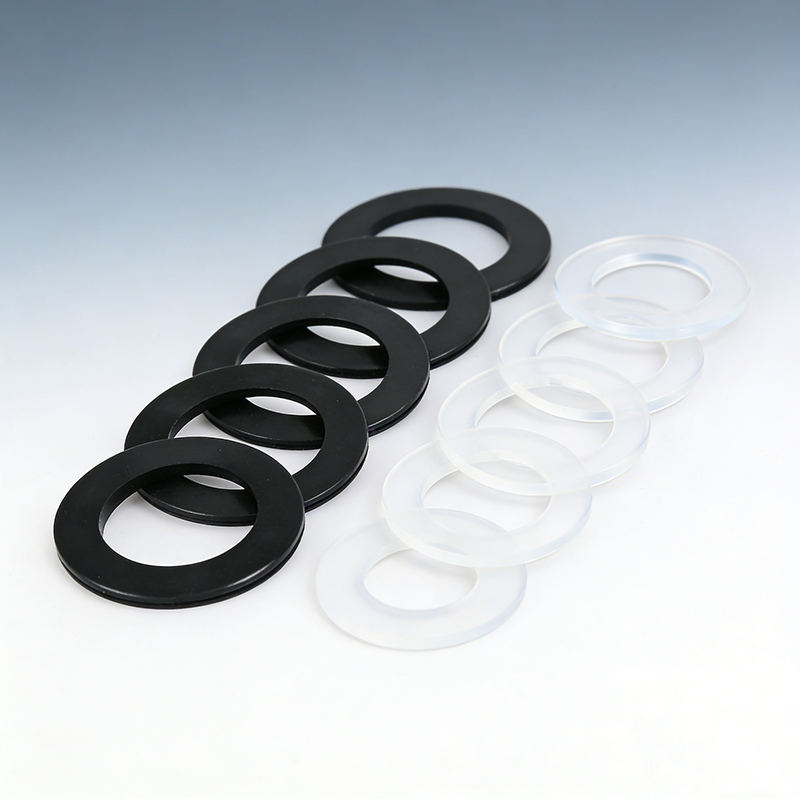
A quality 2 inch rubber gasket1 requires precise dimensional tolerance2 (±0.05mm), appropriate durometer rating3 for your pressure requirements, and material composition4 that matches your specific fluid and temperature conditions.
The Real Performance Factors You Need to Consider
The diameter measurement alone tells you almost nothing about performance. I learned this during my 27 years in rubber manufacturing. Here are the factors that actually determine success:
| Material Selection Matrix: | Application | Recommended Material | Temperature Range | Key Benefits |
|---|---|---|---|---|
| Water systems | EPDM | -40°C to +150°C | Weather resistance | |
| Oil/fuel lines | NBR | -30°C to +120°C | Oil resistance | |
| High temperature | Silicone | -60°C to +200°C | Thermal stability | |
| General purpose | Natural Rubber | -50°C to +80°C | Cost effective |
The hardness rating affects everything. A 60 Shore A gasket works for low-pressure water. But high-pressure steam needs 80 Shore A minimum. Get this wrong and your gasket either leaks immediately or gets crushed beyond repair.
Surface finish matters more than most people realize. A smooth finish creates better contact. But some applications need a slightly textured surface for grip. We machine our gaskets to match your flange specifications exactly.
How Do You Avoid the Material Degradation Trap?
I get emergency calls about gasket failures every week. Most problems trace back to one mistake during procurement.
The biggest risk with 2 inch rubber gasket1s comes from suppliers using recycled rubber compounds5 or incorrect base polymers to cut costs, leading to premature cracking, hardening, and complete seal failure within months instead of years.


The Hidden Cost of Cheap Gaskets
Last year, a client called me in panic. Their outdoor water system had 200 failed gaskets after just six months. The original supplier had used recycled EPDM with poor UV stabilizers6. The replacement cost was 50 times higher than the initial savings.
This happens because some suppliers mix recycled rubber into new compounds. The recycled material has already gone through heat cycles. It degrades much faster under stress. You save pennies per gasket but pay thousands in labor and downtime.
Quality Verification Checklist:
- Request material data sheets (TDS) showing virgin polymer content
- Ask for accelerated aging test results
- Verify compliance with relevant standards (ASTM, DIN, JIS)
- Confirm batch traceability systems
- Check dimensional inspection reports
The smart approach involves asking specific questions. What is the polymer base? How much recycled content? What additives prevent degradation? A reputable supplier answers these questions with documentation. Evasive answers mean find another supplier.
We maintain detailed records for every batch. Our quality system tracks material sources, mixing parameters, and cure conditions. This ensures consistent performance across production runs.
What Should You Look for in Manufacturing Quality?
Manufacturing quality determines whether your gasket seals properly from day one. Poor manufacturing creates problems that no material quality can fix.
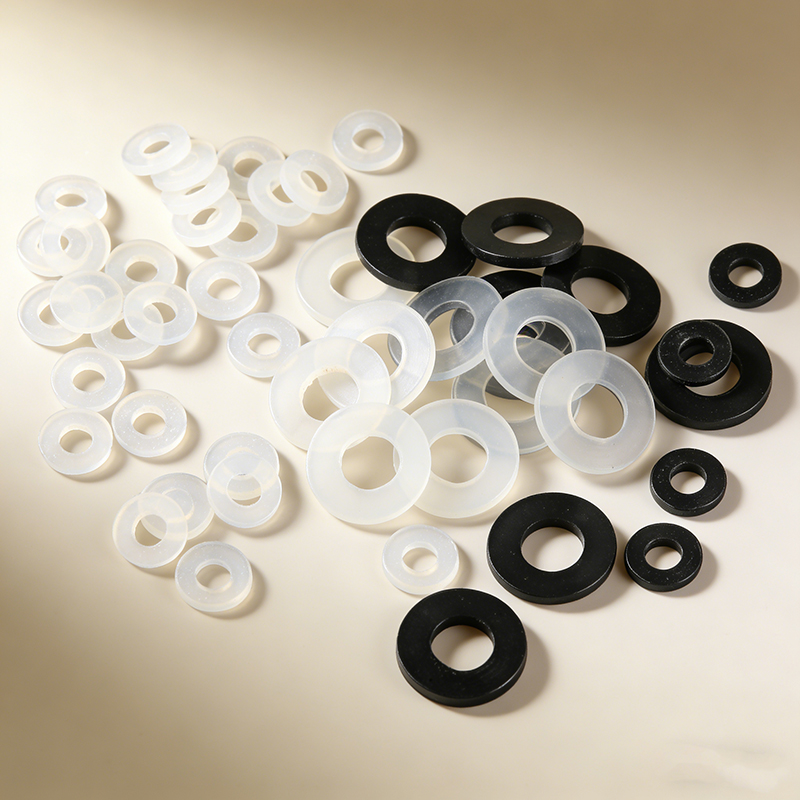
Critical manufacturing factors for 2 inch rubber gasket1s include mold precision7, compression molding temperature control8, post-cure inspection9, and dimensional verification to ensure consistent sealing performance and long-term reliability.
The Manufacturing Details That Matter
Mold design affects everything. Our molds maintain ±0.05mm tolerance across the entire gasket circumference. This precision ensures even compression and prevents stress concentrations that cause premature failure.
Temperature control during molding determines material properties. Too hot and the rubber degrades. Too cool and crosslinking remains incomplete. We monitor temperature at multiple points during the cure cycle.
| Manufacturing Quality Standards: | Parameter | Our Standard | Industry Average | Impact |
|---|---|---|---|---|
| Dimensional tolerance | ±0.05mm | ±0.2mm | Better sealing | |
| Surface finish | Ra 0.8μm | Ra 3.2μm | Reduced leakage | |
| Hardness variation | ±2 Shore A | ±5 Shore A | Consistent performance | |
| Visual defects | Zero tolerance | 2% acceptable | Reliability |
Post-cure inspection catches problems before shipping. We check every gasket for surface defects, dimensional accuracy, and hardness consistency. Automated optical inspection systems detect flaws invisible to manual checking.
Packaging protects your gaskets during shipping and storage. We use anti-static containers that prevent dust accumulation and UV exposure. Proper packaging maintains gasket quality until installation.
How Do You Specify the Right Gasket for Your Application?
Getting the specification right prevents 90% of gasket failures. But most specification sheets miss the critical details that determine real-world performance.
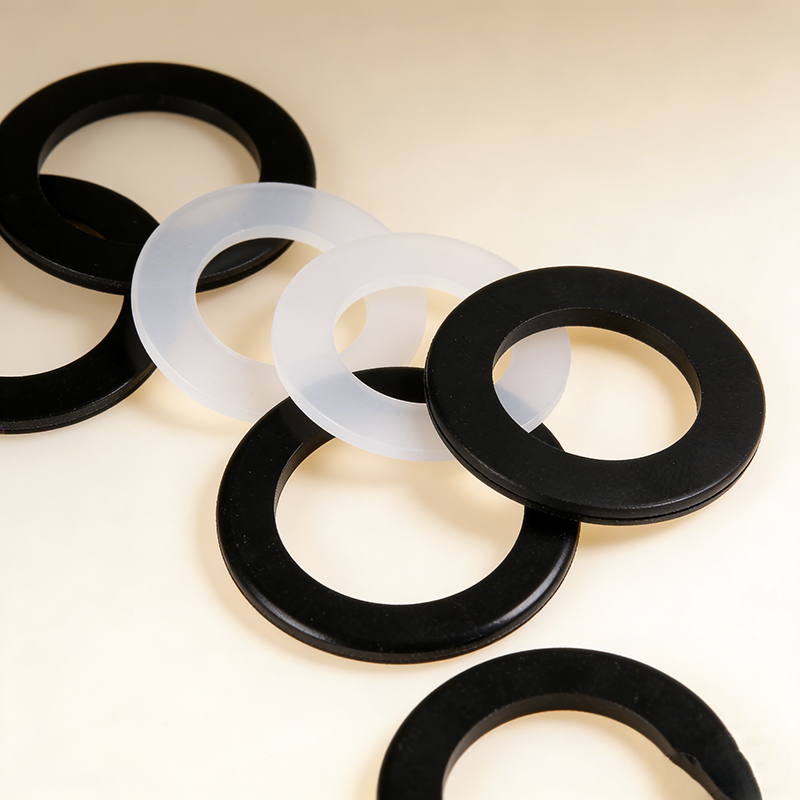
Proper gasket specification10 requires defining fluid compatibility11, pressure rating, temperature range, flange type, installation torque requirements12, and expected service life to ensure optimal sealing performance.
The Complete Specification Process
Start with your operating conditions. What fluid contacts the gasket? What temperature range? What pressure? These basic parameters determine material selection. But other factors matter just as much.
Installation method affects gasket design. Bolt pattern, flange surface finish13, and available compression space all influence the optimal gasket configuration. We design gaskets that work with your specific hardware.
Application Assessment Framework:
- Fluid Analysis: Chemical compatibility, pH level, contamination risk
- Thermal Conditions: Operating temperature, temperature cycling, heat sources
- Mechanical Stress: Pressure rating, vibration, thermal expansion
- Environmental Factors: UV exposure, ozone levels, weather conditions
- Maintenance Requirements: Inspection intervals, replacement procedures
Service life expectations guide material selection and design margins. A gasket for annual replacement uses different materials than one expected to last ten years. We factor in degradation rates and safety margins during design.
Documentation ensures consistency across multiple orders. We provide detailed drawings, material certificates, and installation guidelines. This documentation helps your maintenance team install gaskets correctly and order exact replacements.
Our engineering team review14s every specification before production. This review catches potential issues and suggests improvements. We have prevented countless problems through careful specification review.
Conclusion
The right 2 inch rubber gasket1 protects your system for years while the wrong one creates expensive failures within months.
Explore the advantages of 2 inch rubber gaskets to understand their importance in preventing leaks and ensuring system integrity. ↩
Learn how precise dimensional tolerance impacts gasket performance and prevents failures in various applications. ↩
Discover how durometer ratings affect gasket performance under different pressure conditions. ↩
Understand the significance of material composition in ensuring the longevity and reliability of gaskets. ↩
Explore the potential issues with recycled rubber compounds and their impact on gasket durability. ↩
Learn about the role of UV stabilizers in preventing gasket degradation in outdoor applications. ↩
Discover the importance of mold precision in achieving high-quality gaskets that perform reliably. ↩
Understand how temperature control during molding affects the properties and performance of gaskets. ↩
Learn about the significance of post-cure inspection in ensuring the quality of gaskets before they are shipped. ↩
Explore the critical details needed for accurate gasket specifications to prevent failures. ↩
Find out how to assess fluid compatibility to ensure optimal gasket performance in various applications. ↩
Learn about the importance of installation torque in achieving a proper seal and preventing leaks. ↩
Find out how surface finish influences the effectiveness of gaskets in creating a reliable seal. ↩
Discover how an engineering team review can prevent potential issues and improve gasket specifications. ↩