

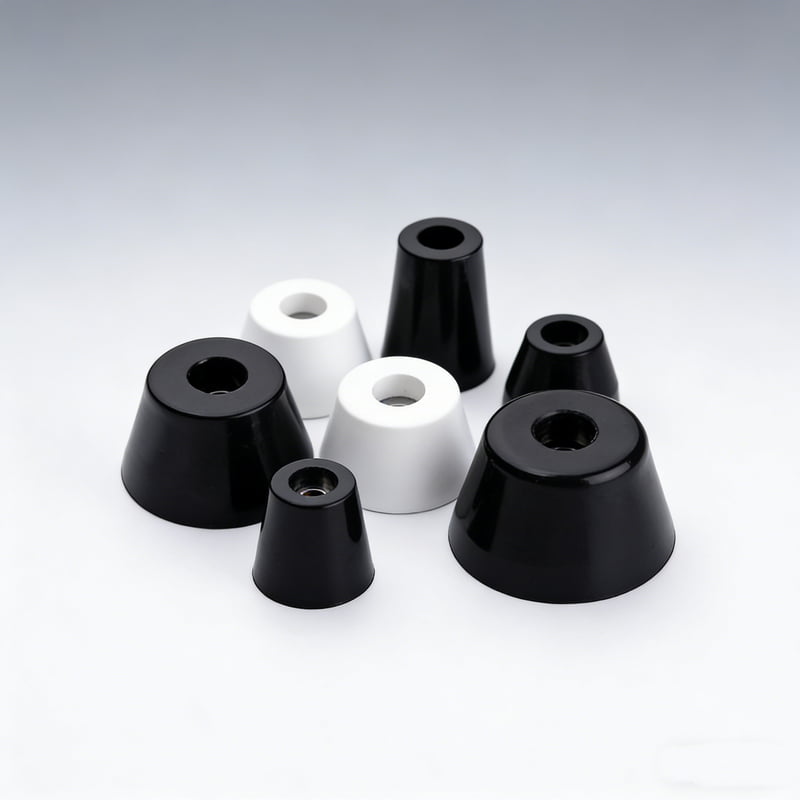
It’s frustrating when equipment moves or shakes even with properly installed Appliance Bumper Feet1. The common belief is that these feet should prevent such issues, but often, they don't.
Appliance Bumper Feet1 are essential for home appliances, commercial equipment, and light industrial applications. They serve a straightforward purpose: to prevent slipping, absorb shock, protect surfaces, and reduce noise.


Sometimes, even when everything appears fine, equipment can still shift during operation or when subjected to minor forces. It's not that the feet are ineffective; rather, a crucial detail is often overlooked.
Are You Overlooking Friction and Stability?
When selecting Appliance Bumper Feet1, most people focus on:
- Material (Rubber / Silicone / TPR) ✔
- Height and Size ✔
- Load Capacity ✔
But there's another key factor that can determine stability, often forgotten:
👉 The bottom friction coefficient2 and the compatibility of the contact surface3.
I recall a case with commercial small devices that passed factory tests with no issues. However, in the end-user environment, the users reported that the devices gradually moved during operation, even producing abnormal noise after slight displacement.
Upon investigation, we found:
👉 The Appliance Bumper Feet1 had shock absorption4 capabilities but were made of a harder material. This resulted in insufficient friction against smooth surfaces like metal or glass.
The outcome was clear: the devices were "shock-absorbed," yet not "anchored."
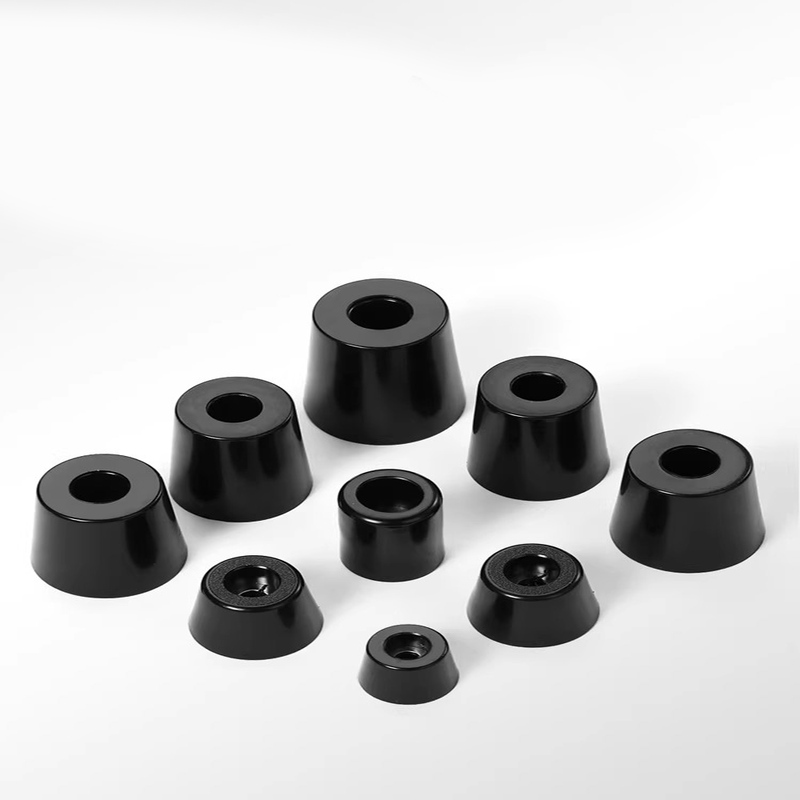
How to Prevent This Problem?
If you're in the selection phase, I suggest not just focusing on shock absorption4 but also considering:
👉 Anti-slip capability and contact interface matching.
Key factors to consider include:
- The material of the surface (Wood / Metal / Glass / Coated Surface)
- The presence of vibration sources5 (Motors, Compressors, etc.)
- Any side forces or periodic pushing
- Whether the device will be stationary for long periods or frequently moved
A practical takeaway:
👉 Shock absorption does not equal anti-slip. Stability requires a combination of "friction + structure."
In design or selection, prioritize:
- Adding textured bottoms or high-friction materials
- Choosing softer rubber formulations for better adherence
- Incorporating mechanical fixation or limiting designs when necessary


How I Solve This Problem in Projects
In my projects, I do not merely look at size and load capacity when recommending Appliance Bumper Feet1. I start by understanding the usage scenario:
- Is the equipment in a vibrating environment?
- Is it placed on a smooth surface?
- Is there potential for minor impacts or forces?
- Is displacement allowed?
From there, we:
- Optimize the bottom friction design based on the contact surface3 material
- Balance shock absorption4 and anti-slip features rather than emphasizing one
- Adjust structure or material formulations to enhance stability when needed
Many projects see a significant improvement in operational stability after addressing "insufficient anti-slip." Noise and displacement issues often improve as well.
Conclusion
Appliance Bumper Feet1 may seem like simple components, but they serve triple functions: shock absorption4, anti-slip, and protection.
Focusing solely on shock absorption4 while neglecting friction matching with the contact surface3 can lead to equipment movement or instability in use.
If you're selecting feet for related devices or facing issues like sliding or noise, feel free to share your environment and device parameters with me.
I can help analyze the contact conditions and structural matching to provide a more reliable solution, ensuring your equipment is genuinely stable and dependable in application.
Explore this link to find top-rated Appliance Bumper Feet that enhance stability and prevent equipment movement. ↩
Understanding the friction coefficient is crucial for selecting the right materials to ensure your equipment stays in place. ↩
This resource will help you understand the impact of different contact surfaces on appliance stability. ↩
Learn why shock absorption is vital for appliance feet and how it contributes to overall equipment performance. ↩
Identifying vibration sources is key to selecting the right appliance feet for optimal stability and performance. ↩