

The hidden threat that “minor vibrations” pose to your expensive components in electrical cabinets can no longer be ignored.
In the fields of industrial automation and energy control, anti-vibration solutions1 for electrical enclosures are often overlooked during the design phase, only to be recognized when costly PLCs, relays, or inverters start giving frequent error messages.
The most troubling scenario arises when electrical cabinets are installed on floors near motors or large stamping equipment. The outer shell may appear stable, but internal electronic components suffer from high-frequency micro-vibrations2, leading to loose terminals and even micro-cracks in the solder points on PCBs.
What’s the issue? Many standard vibration pads are too hard. They block visible large vibrations but fail to filter out the high-frequency energy that can resonate through metal cabinets. If you only grab a few “one-size-fits-all” hard rubber pads, the vibrations won’t disappear. Instead, they will compound within the enclosed cabinet, leading to costly downtime and considerable psychological stress when hunting for “ghost faults.”
How can you avoid this pitfall?
To ensure the longevity of your electric control system, it is crucial to focus on these aspects when designing a vibration reduction solution:
Check the “natural frequency under dynamic load3”: A genuine industrial-grade anti-vibration solution requires calculating the compression based on the total weight of your cabinet, including internal components.
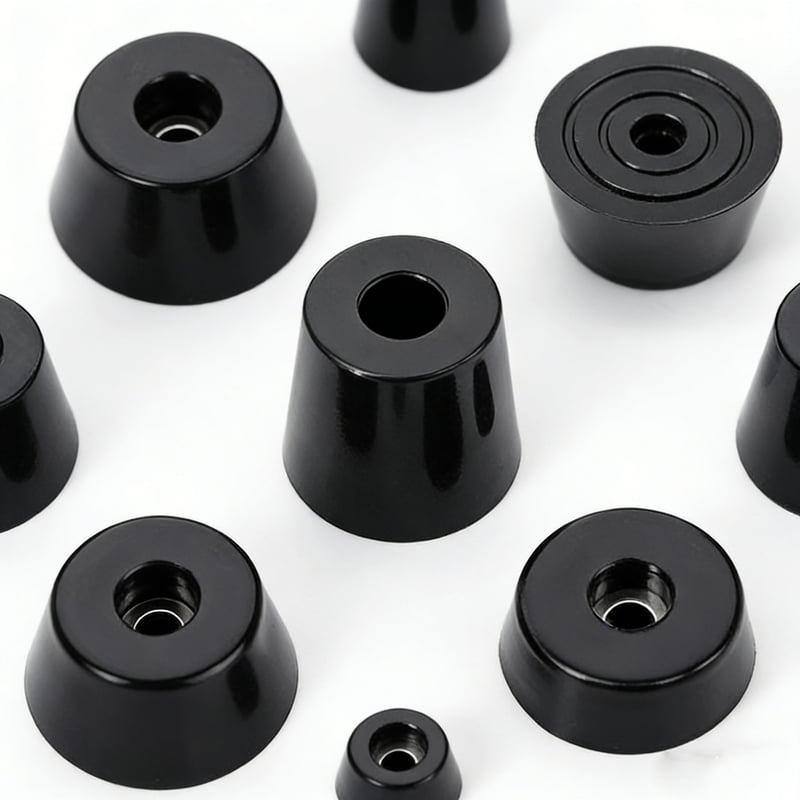
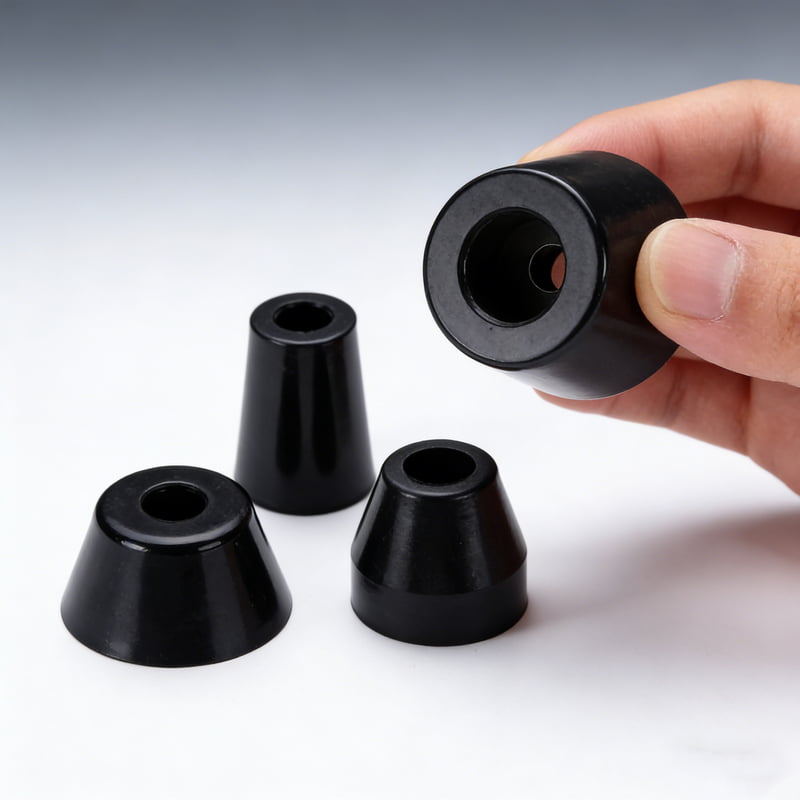
Soft-hard composite support: For precision electrical cabinets, the ideal solution is to use custom shock-absorbing supports with high damping properties at the bottom. This ensures energy dissipation across different operational frequencies.
How do our suppliers tackle this “invisible resonance” problem?
I firmly believe that reducing vibrations isn’t about just buying thick pads; it's about energy management4.
Last year, a partner in the wind power control system sector approached me. Their electrical cabinet was installed inside a tower and faced frequent controller crashes due to long-term low-frequency vibrations. After our technical team intervened, we didn’t use standard parts; instead, we developed a gradient hardness silicone rubber shock-absorbing seat specifically for them.
This structure has a tough outer layer for support and a flexible core area for energy absorption. Ultimately, we lowered the vibration intensity sensed by the cabinet's mainboard by over 75%, effectively resolving a “random fault” issue that had plagued their R&D department for six months.
Your precision electrical control deserves more scientific “quiet protection”
You seek absolute reliability in your systems and should not compromise on foundational aspects like vibration reduction that affect lifespan.
If you are facing issues like excessive cabinet noise, loose components, or looking for protective solutions for new cabinets in high-vibration environments, feel free to reach out to us. Our professional engineering team can assist you with vibration frequency analysis5 and provide a comprehensive technical support package, from material formulation to structural customization.
Contact us, and let our expertise in vibration reduction build an invulnerable defense for your core control units.
Explore effective anti-vibration solutions to protect your electrical components from costly damage. ↩
Learn about the impact of micro-vibrations on your equipment and how to mitigate their effects. ↩
Understanding natural frequency is crucial for designing effective vibration reduction systems. ↩
Explore the concept of energy management to improve the longevity and reliability of your systems. ↩
Gain insights into vibration frequency analysis to ensure the reliability of your electrical control systems. ↩