

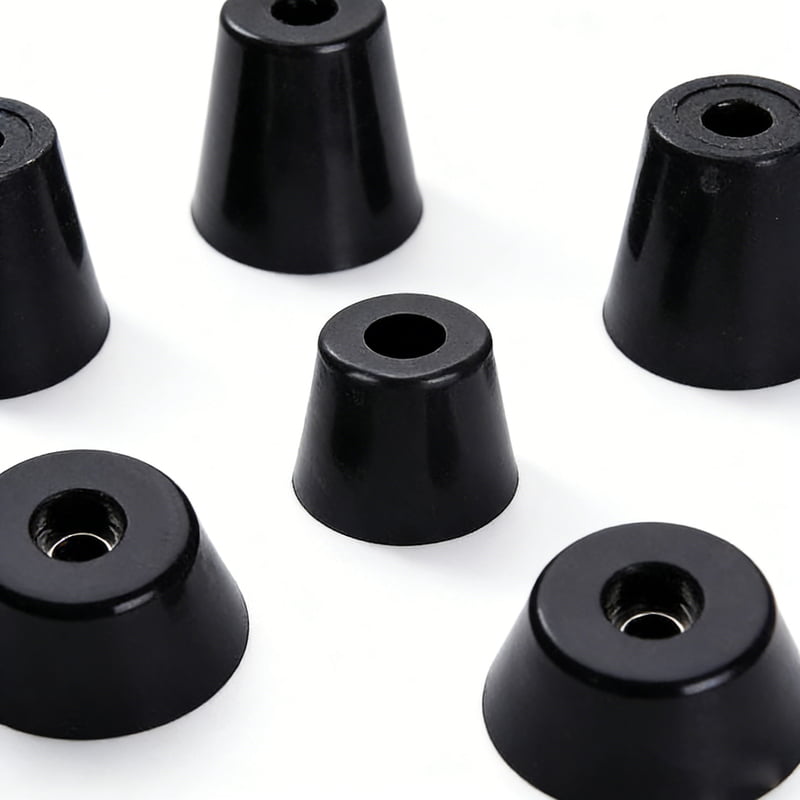
Vibration issues in equipment can be frustrating. You may find that using multiple anti-vibration components doesn’t yield the desired results. This is a common problem I’ve seen in various projects.
Anti Vibration Rubber Mounts1, Grommets, and Isolators can help manage vibration, noise, and structural impacts. However, using them together doesn’t always lead to effective results. The issue often lies in a key factor that gets overlooked.
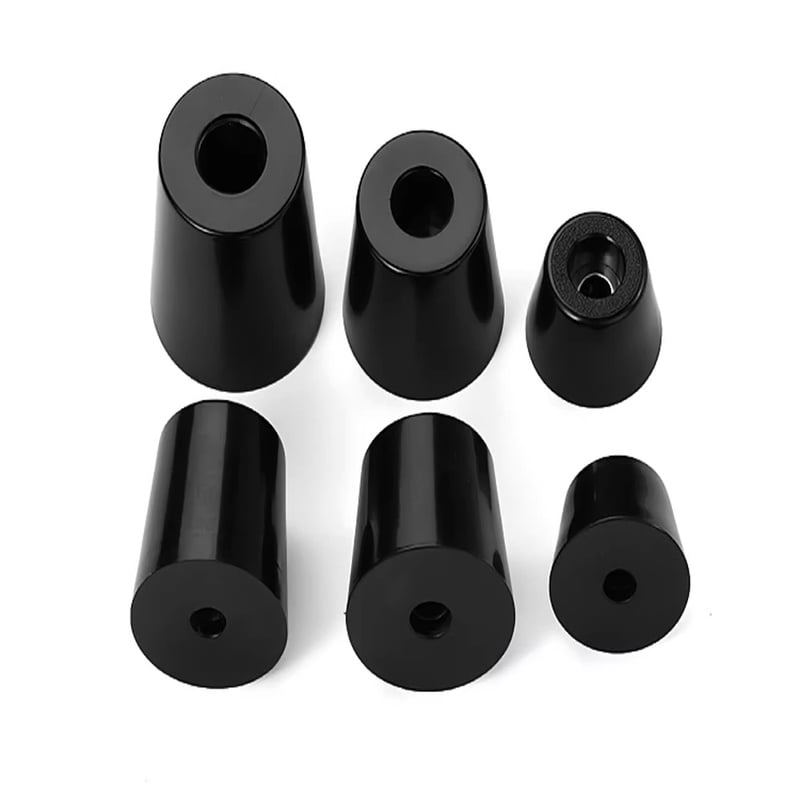
The core problem isn’t necessarily about using enough components. Instead, it relates to a critical concept: the stiffness matching2 between different vibration isolation elements3.
LOOP START
Why Does Stiffness Matching Matter?
Designing or choosing components often involves optimizing each part individually. Grommets protect cables. Rubber mounts support equipment. Isolators isolate vibrations. However, few consider how these parts work together as a system.
The stiffness of these components must be coordinated. If not, the system can fail to perform as expected.
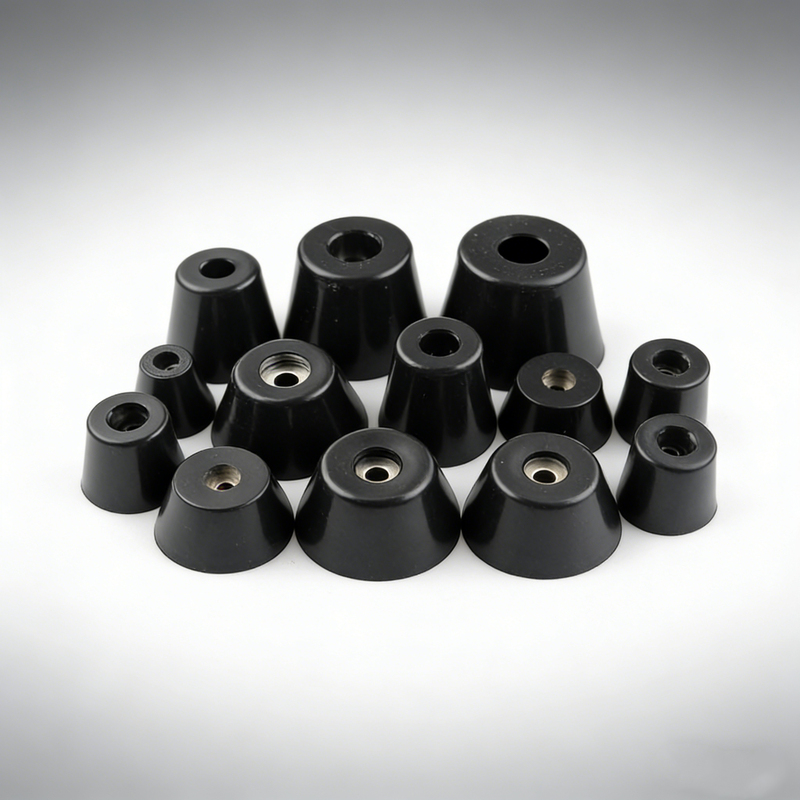
In a project I was involved in, we faced this issue head-on. The equipment used:
- Bottom rubber isolators
- Side rubber grommets
- Internal rubber mounts4
At first, everything seemed fine. But under specific conditions, we noticed significant vibration amplification.
After investigating, we discovered that the different stiffness and deformation characteristics of the vibration components were inconsistent. This inconsistency created a "local rigid constraint," leading to new vibration paths5.
In simpler terms, some points in the system were too stiff, while others were too soft. This imbalance caused vibrations to redistribute within the structure.
How Can You Avoid These Issues?
If you are in the design or selection process, I recommend focusing on "system consistency6" rather than single-point optimization. Here are some key areas to consider:
- Ensure stiffness coordination between isolation components (measured in Shore A7).
- Check for points of rigidity that might lock the structure.
- Balance the load across all support points.
- Allow for slight movement within the vibration range.
A practical principle to follow is:
The vibration system should deform uniformly as a whole, rather than allowing parts to operate independently.
If not, you risk having certain points bear excessive stress while others do very little, ultimately undermining the overall effectiveness.
LOOP END
How I Helped Projects Avoid These Problems
In my experience, I don’t treat grommets, rubber mounts4, and isolators as standalone products. Instead, I analyze the overall structure.
This involves looking at:
- Weight distribution of the equipment
- Sources and paths of vibration
- Installation methods and constraints
From here, we can:
- Match the stiffness of different isolation components for overall performance rather than individual optimization.
- Adjust layouts to ensure balanced loads.
- Avoid rigid short circuits at critical connection points to maintain effective isolation paths.
I have found that after aligning the system design, many projects see a noticeable improvement in vibration control. This approach proves to be more effective than relying on a single component to remedy issues.
Conclusion
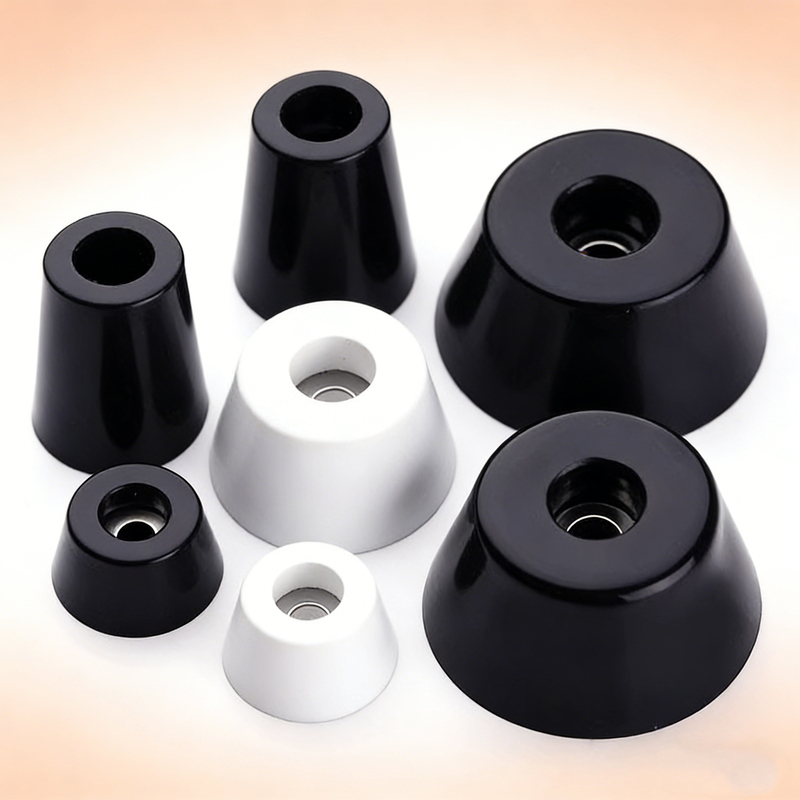
Anti Vibration Rubber Mounts1, Grommets, and Isolators are not meant to function independently. They are part of a larger system. Optimizing individual components without considering overall compatibility can lead to inadequate solutions.
If you are working on a vibration control design or facing challenges, feel free to share your device structure or application details with me. I can help analyze your system to ensure all components work together effectively, instead of independently, leading to more reliable vibration solutions.
Explore the advantages of using Anti Vibration Rubber Mounts for effective vibration control in various applications. ↩
Understanding stiffness matching can significantly enhance your vibration isolation strategies and improve system performance. ↩
Discover the most effective vibration isolation elements to optimize your equipment's performance and longevity. ↩
Discover the various applications of rubber mounts and how they can enhance vibration control in different settings. ↩
Understanding vibration paths can help you design better systems and mitigate unwanted vibrations. ↩
Learn how maintaining system consistency can lead to better vibration control and overall equipment reliability. ↩
Gain insights into how Shore A measurements impact the selection of vibration isolation components. ↩