

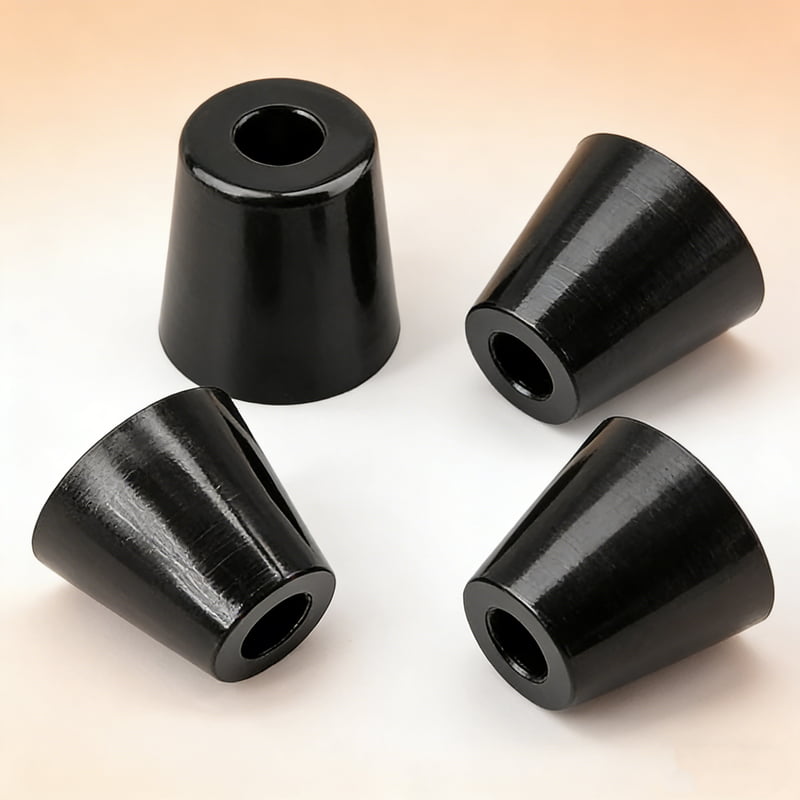
The first paragraph grabs your attention: Anti-vibration products1 are crucial in equipment design or optimization. Yet, many still struggle with vibration issues2 despite numerous solutions.
Anti-vibration products1 are designed to reduce unwanted vibrations in machines. However, many people find that switching products does not solve the vibration problem. This article explains how to address the issue effectively.
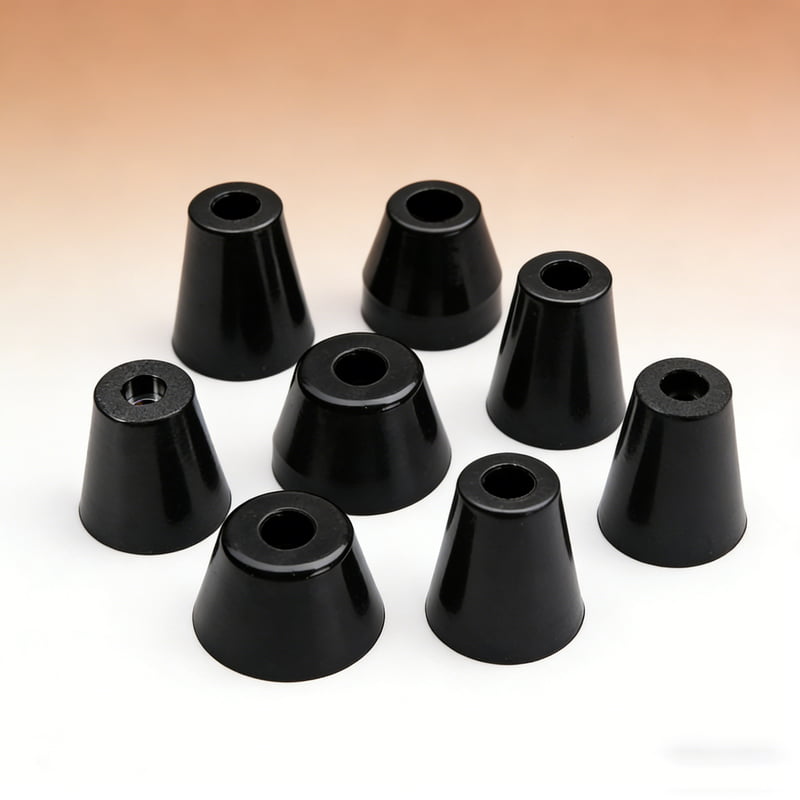
The vibration problem is often seen as a product issue when it should be viewed as a system issue. Many people think, "My device vibrates, so I need to add a shock absorber3." This thought process is flawed and can lead to frustrating results.
LOOP START
So, how can we truly understand and solve vibration issues2?
The first paragraph grabs your attention: Understanding vibration requires a system-wide approach4, not just product changes. This mindset shift can lead to real solutions.
To effectively address vibration, it’s vital to identify the source of the vibration, its propagation path5, and the goals for managing it. This means looking beyond just the anti-vibration products themselves.
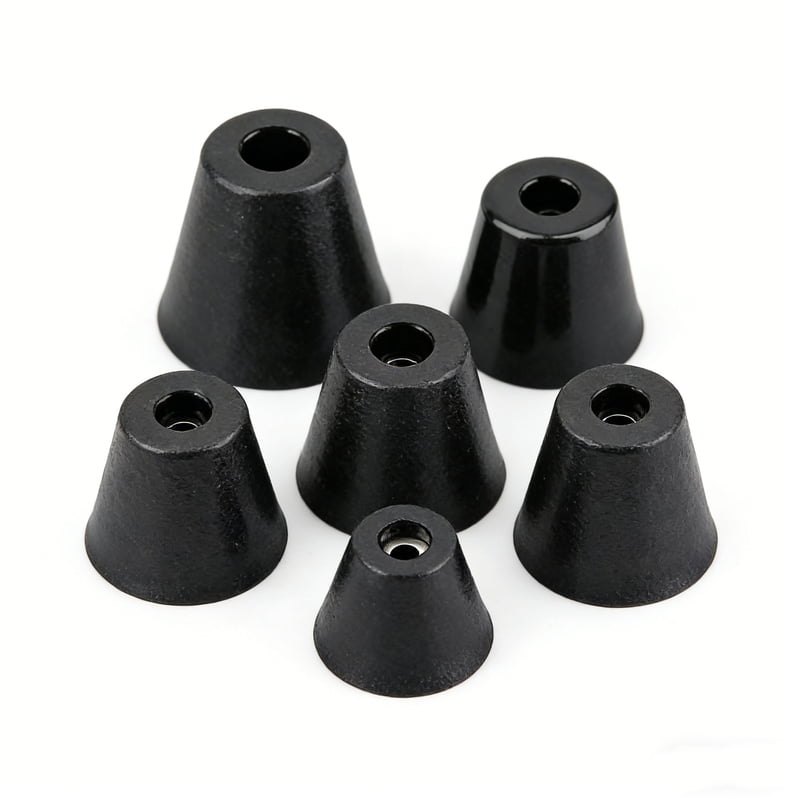
Dive deeper Paragraph: Vibration is often a result of multiple interacting factors. For instance, I once worked on a project involving a motorized device. The team had tried rubber pads, spring isolators, and various hardness levels but still struggled with vibration. After re-evaluating the system, we found that the rigidity of the equipment structure, the installation method, and the parameters of the shock absorber3 were not aligned. The issue was not a lack of shock absorption but that vibrations were being redistributed, even amplified, within the system.
To address vibration effectively, consider these key points:
- Vibration Source: Is it coming from the motor, compressor, or shock loads?
- Propagation Path: Is the vibration transmitted through the base, structural parts, or connections?
- Goals: Are we trying to isolate vibrations or reduce resonance?
The principle is clear: Shock absorption products must work in synergy with the equipment structure, rather than existing in isolation.
LOOP END
How can you ensure your anti-vibration solution is effective?
The first paragraph grabs your attention: When tackling vibration issues2, I avoid recommending a specific anti-vibration product right away. Instead, I focus on understanding the system first.
Assessing the vibration frequency range6, actual load (both static and dynamic), and the installation structure7 are crucial steps in finding the right solution. This method ensures a more effective and sustainable outcome.
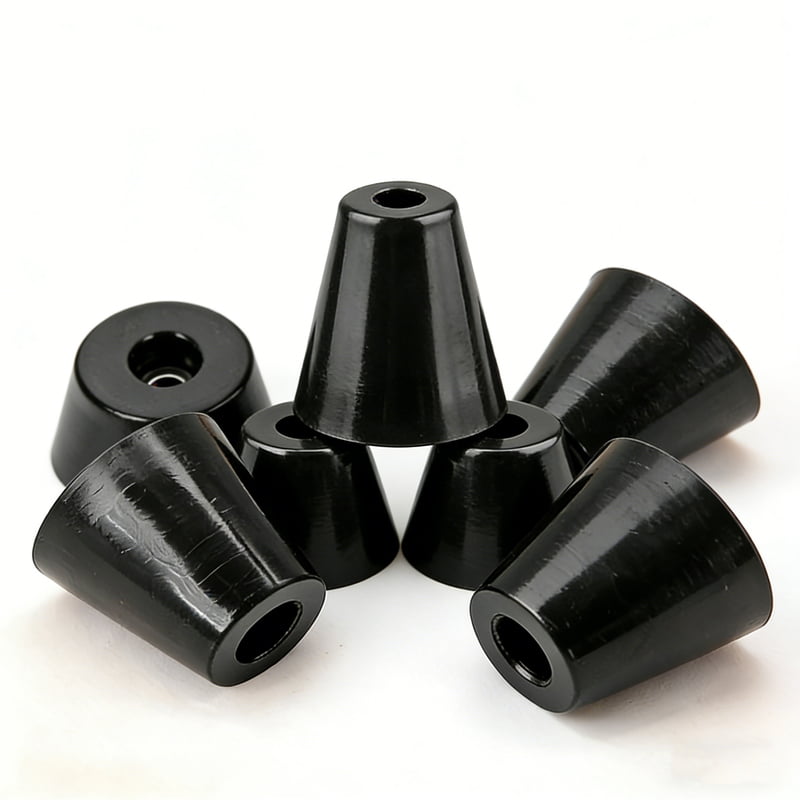
Dive deeper Paragraph: In my experience, the key to resolving vibration problems lies in a structured approach. I typically start with a detailed analysis of the system. Identifying the vibration frequency range6 helps us understand the dynamics at play. Next, evaluating the actual loads—both static and dynamic—gives insight into how the system will behave under real conditions.
Additionally, the installation structure7 can influence the performance of the anti-vibration solutions. It’s essential to match the right type of shock absorber3, whether rubber, spring, or composite, to the application. There’s a common misconception that "the softer, the better." In reality, adjusting hardness or stiffness must be based on the specific application and not a one-size-fits-all approach.
Sometimes, optimizing the installation method will yield better results than merely changing the product. It's all about ensuring the anti-vibration solution is used correctly and effectively in the right context.
LOOP END
Conclusion
Anti-vibration products1 may seem like just a selection issue, but the true effectiveness comes from treating it as a system engineering challenge.
Explore this link to discover top-rated anti-vibration products that can enhance your equipment's performance. ↩
This resource provides insights and solutions for tackling vibration issues effectively in various machinery. ↩
Discover the different types of shock absorbers and their effectiveness in controlling vibrations in machinery. ↩
Learn about the importance of a system-wide approach to achieve lasting solutions for vibration problems. ↩
Understanding the propagation path of vibrations can help in designing better solutions; explore this link for more. ↩
Understanding vibration frequency range is crucial; this link offers guidance on how to assess it accurately. ↩
This article explains how installation structure impacts the performance of anti-vibration solutions. ↩